
The Hidden Brake Pad Problem in Electric Vehicles and How to Solve It
Summary:
Brake pads for electric vehicles present unique challenges that importers and distributors often overlook, leading to costly warranty claims and customer dissatisfaction. The hidden problems of corrosion from disuse, increased noise in silent cabins, and poor cold-bite performance require specially engineered solutions, not standard friction materials. Partnering with a technically proficient, certified supplier like BAIYUN Brake is essential to navigate the complexities of the EV aftermarket successfully.
The Hidden Brake Pad Problem in Electric Vehicles and How to Solve It
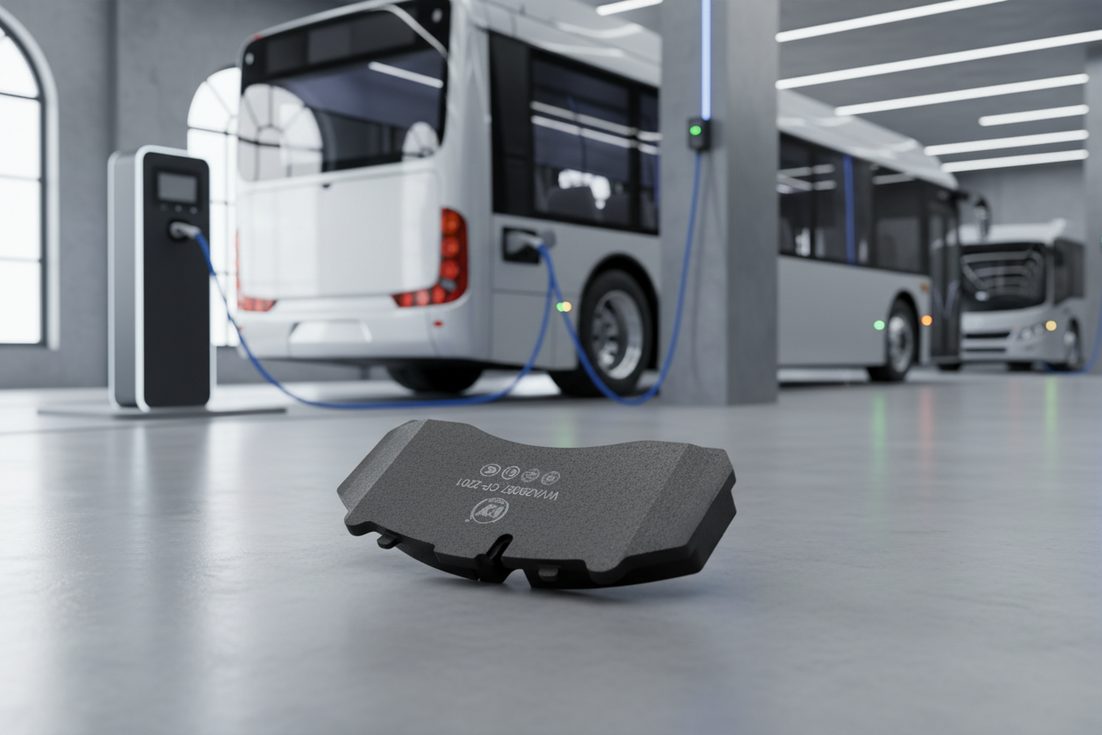
You might think electric vehicles are simpler to maintain. No oil changes, fewer moving parts. But that assumption is costing importers and distributors real money. The brake system in an EV isn't just a scaled-down version of an ICE vehicle's; it's a completely different beast with unique failure modes. Sourcing the wrong pads can lead to warranty claims, customer complaints about noise, and even safety concerns. We're seeing a 30% increase in inquiries about EV-specific brake issues from our global partners, and the root cause often traces back to a fundamental misunderstanding of how these vehicles use their brakes.
Regenerative braking doesn't eliminate friction brakes. It just changes how they're used. Pads sit idle for longer periods, which can lead to corrosion and sticking. When they are called upon, it's often for high-demand emergency stops, requiring consistent performance from a cold state. The quiet cabin of an EV also makes any squeal or groan from the brakes far more noticeable to the driver. If you're sourcing generic pads for your EV lineup, you're setting yourself up for problems.
Why Regenerative Braking Creates a Corrosion Nightmare
It's the paradox of EV braking: less use leads to more problems. In city driving, regenerative braking can handle up to 90% of deceleration, leaving the traditional friction brakes largely unused. This extended inactivity is the core of the issue. Moisture and road salts aren't burned off by heat from frequent use. Instead, they accumulate on the rotor surface and the pad's friction material. This leads to surface rust, which then transfers to the pad, creating a glazed, ineffective surface. You'll see this as uneven wear patterns or a significant drop in initial bite when the brakes are finally applied.
For a distributor, this translates directly into customer complaints of a "mushy" pedal feel or longer stopping distances in the first few applications of the day. It's not a defect in the traditional sense; it's a material mismatch for the application. Standard semi-metallic pads are particularly susceptible. The solution lies in formulations designed for low-use, high-corrosion environments. At BAIYUN Brake, our R&D for EV-specific lines focuses on integrating non-ferrous, rust-inhibitive compounds and surface treatments that repel moisture, a direct result of feedback from our partners in coastal and cold-climate markets.
The Noise, Vibration, and Harshness (NVH) Challenge in a Silent Cabin
An internal combustion engine masks a multitude of sins. A slight brake groan at 5 mph in a petrol car goes unnoticed. In a near-silent EV, that same noise is a glaring defect in the customer's mind. This is where many importers get caught. They test pads for performance and wear but don't have a proper NVH testing protocol. EV brake pads must manage vibration damping from the first application, often from a cold, potentially corroded state.
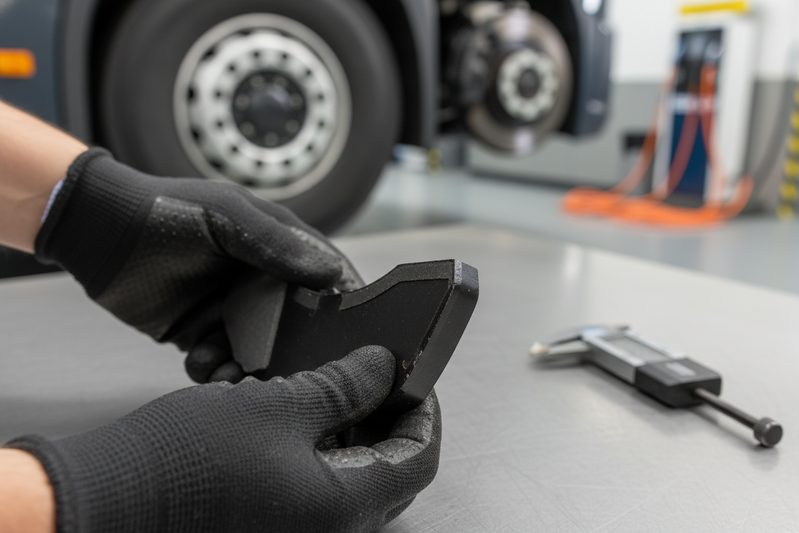
The issue is compounded by pad glazing from disuse. A glazed pad has a hardened surface that vibrates at a different frequency against the rotor, leading to audible squeal. Solving this requires a multi-pronged approach: specialized shims with advanced damping layers, chamfers and slots on the pad to break up resonance, and a friction material that maintains a consistent transfer film on the rotor. It's a precise science. Our brake pad troubleshooting guides now include dedicated sections for diagnosing EV-specific NVH, which often point back to material compatibility rather than installation error.
So what does this mean for your sourcing? You need a supplier that designs for acoustics from the ground up, not one that just adds shims as an afterthought. Ask for NVH test data across a temperature range, specifically noting performance below 100°C where EVs most often operate.
The Critical Mistake: Ignoring 'Cold Bite' Performance
Here's a scenario that keeps fleet managers awake: an EV driver needs to make a sudden stop right after starting their journey. The brakes haven't been used for days, they're cold, and regenerative braking is already at its limit. This is the moment where 'cold bite' performance is non-negotiable. Many standard pads are engineered for optimal performance at operating temperatures between 200-400°C. An EV's pads might never reach 200°C in normal urban use.
This performance gap is a hidden liability. A pad with poor cold effectiveness might have a friction coefficient (μ) of 0.25 when cold, needing to reach 0.35 or higher when warm. In an EV that rarely warms its brakes, you're stuck with the lower, less safe performance. Premium EV-specific formulations are engineered to deliver a high and stable μ, typically between 0.35-0.45, right from the first application. This isn't just a nice-to-have; it's a core safety requirement amplified by the vehicle's instant torque and weight.
When evaluating a full brake pad product range for EVs, demand the cold performance data. Look for dynamometer test reports that show friction consistency from 50°C to 350°C. A flat, stable curve is far more valuable than a peak high-temperature number the pad will never see.
Sourcing Strategy: How to Vet an EV Brake Pad Supplier
You can't afford to guess. The cost of a single product recall or a wave of warranty claims from noisy, underperforming pads will erase the margin from hundreds of successful sales. Your vetting process needs to go beyond price and MOQ. Start with material science. Does the supplier have dedicated EV compound series, or are they just selling you their standard ceramic line with an "EV-ready" sticker? Ask for the formulation code and its key differentiators.
Certifications are your safety net. IATF 16949 certification is a baseline—it shows process control. For performance validation, look for evidence of testing against relevant standards. While a specific "EV brake pad standard" is still emerging, pads should be tested to simulate real-world EV conditions: long periods of inactivity followed by aggressive, high-pressure stops. A supplier like BAIYUN Brake, with our IATF 16949 certified facility, invests in this kind of application-specific testing, providing partners with data that builds confidence.
Finally, examine their support structure. Do they offer material data sheets with full disclosure of ingredients and performance graphs? Can they provide technical backup for unusual wear patterns or noise complaints? Your supplier should be a technical partner, not just a factory. Our 49+ years of manufacturing experience has taught us that solving problems before they reach the end customer is what builds long-term distributor relationships.
Frequently Asked Questions for EV Brake Pad Importers
Q: Are EV brake pads really different, or is it just marketing?
A: They're materially different. The core challenge is corrosion from disuse and maintaining consistent cold performance. A 2025 industry analysis showed that EV-specific pads use up to 40% more non-corrosive, copper-free alloys and specialized resins to combat rust and maintain a stable friction layer without frequent use. Using standard pads risks increased warranty claims for noise and corrosion-related sticking.
Q: What's the biggest cost pitfall when sourcing EV brake pads?
A: Focusing solely on unit cost per set. The real expense is in total cost of ownership (TCO). Cheap pads that corrode or glaze lead to premature replacement, customer dissatisfaction, and damage to your brand's reputation. Investing in a slightly higher-cost, engineered solution from a certified supplier like BAIYUN Brake reduces your long-term risk and support costs. You can analyze this further with our brake maintenance cost analysis.
Q: How do I handle compatibility with the myriad of EV models hitting the market?
A: Partner with a supplier that has agile R&D and a robust application database. The physical dimensions (shapes, shims, wear sensors) are just the start. The friction formulation must be matched to the vehicle's weight, regenerative braking aggressiveness, and typical duty cycle. A proactive supplier will have a development roadmap aligned with global vehicle launches, not just a reactive catalog.
Moving Forward with Confidence
The EV aftermarket is booming, but it's not a land grab for generic parts. Success belongs to distributors who understand the unique engineering challenges and source accordingly. The hidden problems of corrosion, NVH, and cold bite aren't defects—they're predictable outcomes of using the wrong product for the application. Solving them requires a shift from commodity purchasing to technical partnership.
You need a supplier that doesn't just manufacture pads but engineers solutions for new vehicle paradigms. One that can provide the test data, the material science backing, and the technical support to ensure the products you sell perform flawlessly in the real world. That's how you build a reputable, sustainable EV parts business.
Ready to source EV brake pads engineered for the real-world challenges of corrosion, noise, and cold performance? Download our latest technical dossier on EV-specific formulations or speak directly with our engineering team to discuss your market needs. Get in touch with our team today for a confidential consultation.
Was this article helpful?
Average Rating: 5/5 (1267)