
Brake Pad Wear Indicators: Everything You Need to Know to Prevent Brake Failure
Summary:
Understanding brake pad wear indicators is critical for importers and distributors aiming to prevent brake failure and reduce liability. As a leading brake pad wear indicator supplier wholesale, BAIYUN Brake provides certified, reliable systems that integrate mechanical squealers and electronic sensors to meet global safety standards. This guide explains how these indicators work, their impact on total cost of ownership, and what to look for in a quality supplier to safeguard your brand and profits.
Brake Pad Wear Indicators: Everything You Need to Know to Prevent Brake Failure
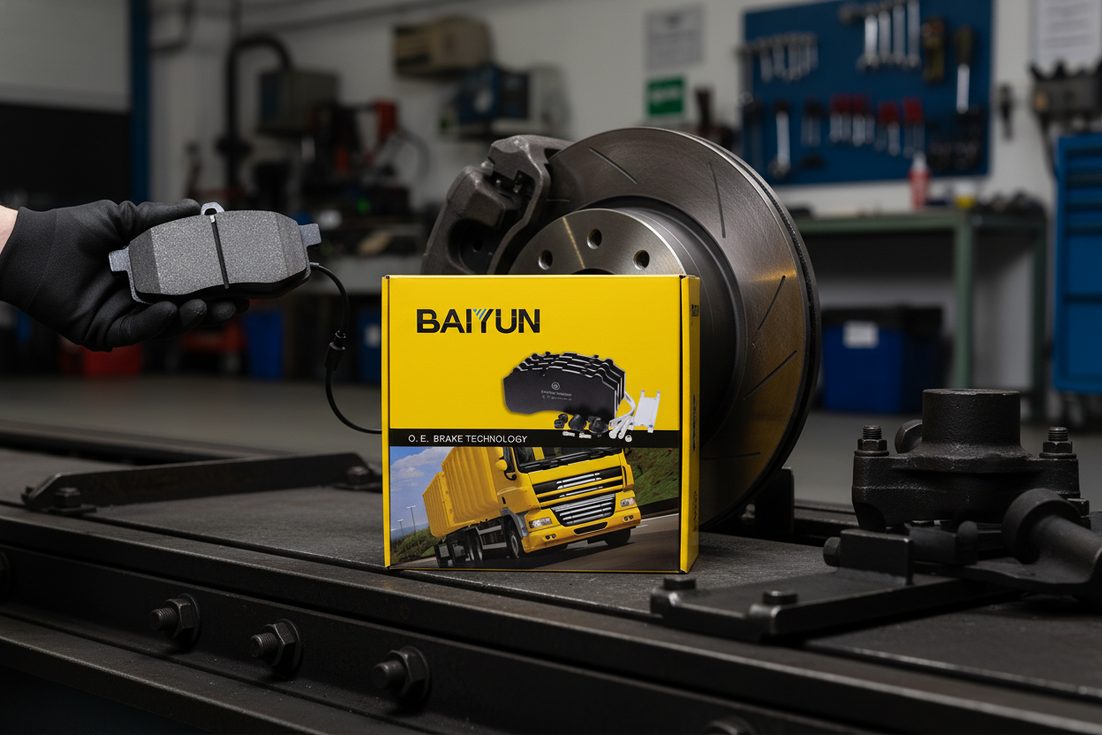
You're sourcing brake pads for your market, and your customers are getting smarter. They're not just asking about price anymore; they're asking about safety features, longevity, and how to avoid costly comebacks. That's where understanding wear indicators becomes a direct line to your profit margin. A well-designed wear indicator system doesn't just warn a driver—it protects your brand from liability and builds customer trust. For importers and distributors, choosing the right brake pad wear indicator supplier wholesale is a strategic decision that impacts warranty claims, inventory turnover, and repeat business. Let's break down what you need to know to make an informed choice.
How Wear Indicators Actually Work (And Why It Matters for Your Inventory)
There are two primary systems in play, and the difference affects your sourcing strategy. The traditional mechanical 'squealer' is a simple metal tab attached to the brake pad backing plate. When the friction material wears down to a critical thickness—typically around 2-3mm—this tab contacts the rotor, creating a high-pitched squeal. It's a passive, universal warning. The more advanced system uses electronic brake wear sensors. These are small plugs embedded in the pad material with a resistor circuit. As the pad wears, the circuit is eventually broken, triggering a warning light on the vehicle's dashboard. Some modern two-stage sensors even calculate remaining pad life using data like mileage and brake temperature.
So what does that mean for your bottom line? If you're stocking pads for a wide range of vehicles, you need a supplier who can provide both types accurately. A mismatch—like supplying a pad without a sensor slot for a car that requires one—means an instant return and a frustrated installer. At BAIYUN Brake, our product development accounts for these exact OE specifications. Our full brake pad product range includes precise sensor compatibility, ensuring the parts you stock fit and function correctly the first time, every time.
The Real Cost of Ignoring Wear Indicator Warnings
It's tempting for drivers to ignore a little squeal or a dashboard light, but the financial domino effect for your business is real. When a wear indicator is activated, there's usually about 20-30% of the pad's usable life remaining. Ignoring it leads to metal-on-metal contact. Once the backing plate grinds against the rotor, the repair bill skyrockets. A simple pad replacement turns into a need for new rotors, possible caliper damage, and significantly more labor. For a distributor, this translates to unhappy customers who blame the parts, not the delayed maintenance.
Consider this: a study by a major automotive aftermarket group found that nearly 40% of brake-related comebacks could be traced to improper diagnosis or ignoring early wear warnings. By educating your retail partners and their customers on the importance of these indicators, you're not just selling a part—you're selling a complete, reliable service solution. Providing clear technical documentation, like our brake pad troubleshooting guides, adds immense value to your wholesale offering.
What to Look for in a Wear Indicator Supplier
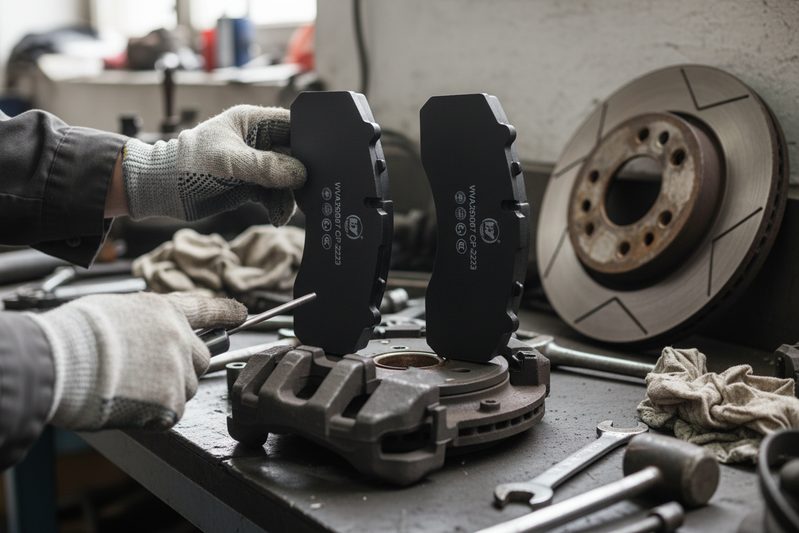
Not all wear indicators are created equal. A cheap, poorly attached squealer tab can break off during shipping or installation, leaving no warning system at all. A sub-par electronic sensor might have inconsistent resistance, triggering false warnings or failing to trigger at all. For a wholesale buyer, consistency is everything. You need a supplier whose quality control ensures every single pad in a batch has a reliable, correctly positioned indicator.
This is where certifications become non-negotiable. A manufacturer operating under IATF 16949 and ECE R90 standards isn't just following procedures—they're guaranteeing process control. For wear indicators, this means validated materials, precise placement during manufacturing, and 100% functional testing. BAIYUN Brake's quality assurance system includes checks for indicator integrity because we know it's a critical safety component. When you're evaluating a brake pad wear indicator supplier wholesale, ask for their test protocols. Do they sample test, or is every unit verified?
Integrating Wear Indicator Knowledge into Your Sales & Support
This technical feature is a powerful sales tool. Train your team to explain it. A mechanic explaining a 'squealer' to a customer builds credibility. A retailer can use the dashboard warning light as a tangible reason for a pre-emptive brake service. For commercial fleet managers, understanding two-stage electronic sensors that predict remaining life allows for scheduled, budgeted maintenance instead of emergency downtime.
Support your downstream partners with the right resources. Include information on wear indicators in your catalog notes. Share installation videos that highlight sensor connection points. Point them to manufacturer resources that explain the technology. For instance, our technical support center has materials that help installers diagnose whether a squeal is a normal wear indicator or a sign of another issue, like a contaminated brake pad. This level of support turns a transaction into a partnership.
Frequently Asked Questions for Brake Pad Importers
Q: Can we order brake pads without wear indicators to save cost?
A: You can, but it's a risky shortcut. While it might shave a small percentage off the unit cost, it exposes you and your customers to significantly higher liability. Vehicles designed with indicator systems rely on them for safety. Omitting them can lead to premature rotor damage, safety failures, and voided warranties. The cost savings rarely justify the potential brand damage and legal exposure.
Q: How do we handle compatibility with different sensor types across vehicle models?
A: Work with a supplier that has a comprehensive application database and strong R&D. The solution is accurate cataloging and proper inventory segmentation. A supplier like BAIYUN Brake, with nearly five decades of experience, designs pads to match exact OE specifications, including sensor type, connector shape, and wire length. Request a download our product catalogue to see the level of detail provided for each part number.
Q: What's the market trend for wear indicators? Are mechanical squealers becoming obsolete?
A: Mechanical indicators are still prevalent and cost-effective for many applications, especially in price-sensitive markets and older vehicles. However, the trend is strongly toward electronic sensors, particularly in newer European, Asian, and North American models. A forward-thinking distributor should stock both but plan for a gradual increase in sensor-equipped pad demand. Investing in a supplier with the capability for both is crucial for long-term portfolio stability.
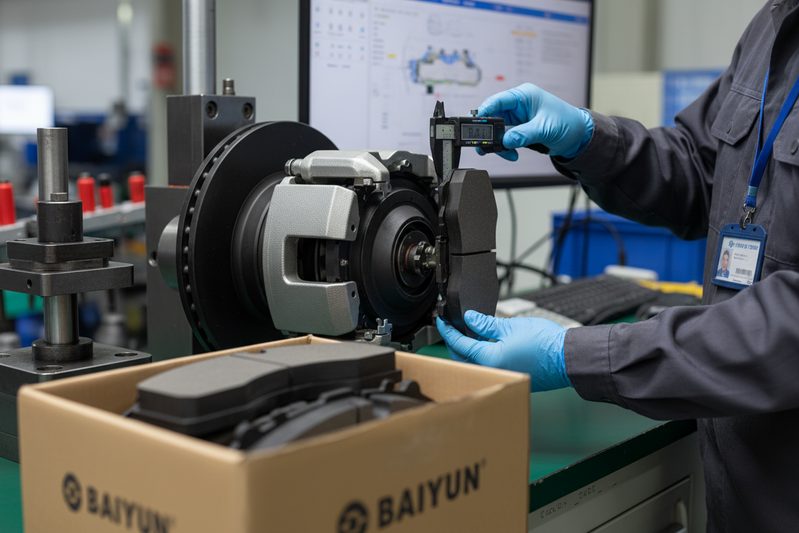
Choosing your brake pad supplier based solely on a per-unit price is a outdated strategy. In today's market, the value is in reliability, safety compliance, and the technical support that comes with the product. A robust wear indicator is a small component that speaks volumes about a manufacturer's commitment to quality and end-user safety. It's a feature that prevents catastrophic failure, reduces your liability, and gives your customers confidence.
Ready to source brake pads with reliable, certified wear indicators that protect your business and your customers? Get in touch with our team at BAIYUN Brake for a quote on our IATF 16949 and ECE R90 certified product lines. Let's discuss how our precise engineering can contribute to your bottom line.
Was this article helpful?
Average Rating: 5/5 (1400)