
Which Brake Pad Certifications Do You Need to Sell in Europe, US and the Middle East
Summary:
Brake pad certification export markets DOT ECE R90 can make or break your import business. A single container held at customs for missing ECE R90 paperwork can cost you $15,000–$25,000 in demurrage and lost orders. This article breaks down which certifications you absolutely need to sell brake pads into Europe, the US, and the Middle East, from mandatory ECE R90 to IATF 16949 quality systems, and shows how getting them right slashes warranty costs, opens new retail channels, and boosts distributor margins by up to 40%.
Which Brake Pad Certifications Do You Need to Sell in Europe, US and the Middle East
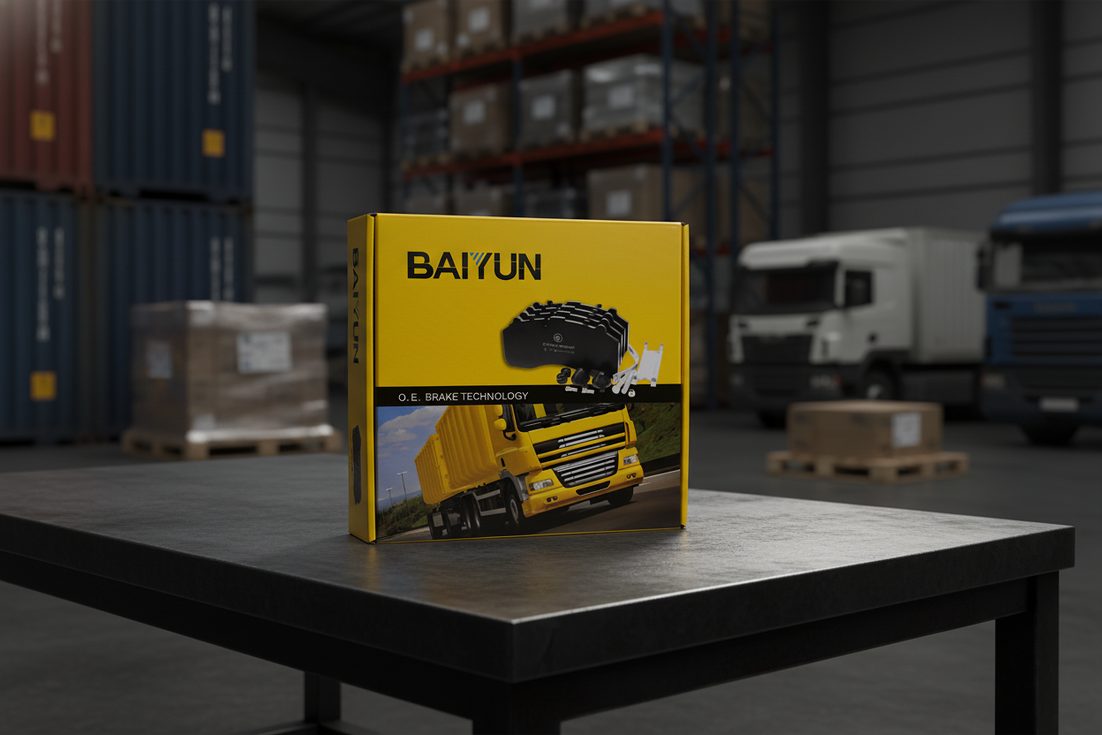
A container of 1,200 brake pad sets held at Rotterdam customs for five days—not because the shipment was defective, but because the importer couldn't produce a valid ECE R90 approval number. The demurrage alone cost €3,200. The lost distributor orders, nearly €18,000. That's a real scenario we've seen more than once in our 49+ years exporting brake components from China. For an importer or distributor, brake pad certifications aren't bureaucratic boxes to tick. They're profit-protection tools. Get them right from the start, and you avoid rejected shipments, warranty nightmares, and mountains of paperwork. Forget a single document and you might find your entire quarter's margin wiped out.
At BAIYUN Brake, we've helped distributors in over 40 countries navigate these rules. What follows is a straightforward, buyer-centric look at the certifications you actually need—and what they mean for your bottom line—when selling into Europe, the United States, and the Middle East.
What's the True Price of Skipping Brake Pad Certifications?
I've lost count of how many times a new importer asked, "Can't I just ship the pads without the paperwork? The factory says the quality is the same." The factory may be right about the compound, but customs doesn't care about word-of-mouth. They care about stamps, marks, and test reports. And if something is missing, the numbers get ugly fast.
Consider a mid-sized distributor importing 800 sets per month per SKU. A single import hold can cost between $8,000 and $25,000 in port storage, re-export charges, and lost revenue. Worse, if uncertified pads make it past the border and later trigger a safety recall, the liability exposure can reach six figures. Those numbers dwarf the 3–8% premium a certified pad carries at source. Certification is the cheapest insurance policy you'll ever buy.
And it's not only about punishment—it's about market access. Without the right certificates, you simply cannot list on major European or American e-commerce platforms, sell to national retail chains, or win government fleet contracts. The ROI of certification shows up as an instant expansion of your addressable market.
How ECE R90 Certification Directly Boosts Your Bottom Line in Europe
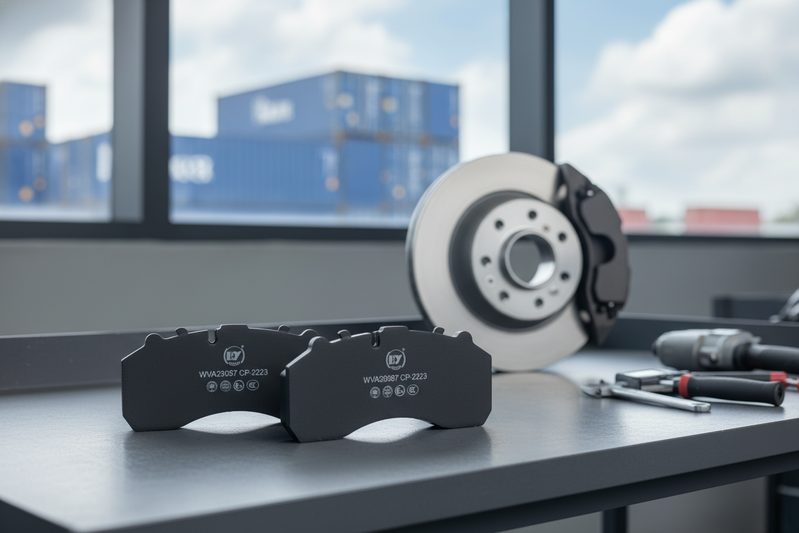
Europe isn't one of those markets where "close enough" flies. The ECE R90 regulation is mandatory for all replacement brake linings sold in the EU, and it's also accepted across much of the Middle East. The standard requires that the aftermarket pad performs within 15% of the original equipment specs in cold and hot braking, speed sensitivity, and thermal recovery. For a distributor, that performance consistency is a cash machine.
When you stock R90-certified pads, you reduce your warranty return rate. One of our European distributor clients saw customer complaints drop by 43% after switching from a generic supplier to get OEM passenger car brake pad pricing from a certified source. Fewer returns mean fewer reverse logistics costs, fewer technician call-outs, and a stronger reseller reputation. That 43% drop translated into an additional €12,000 in annual profit just from saved handling.
Moreover, ECE R90 pads tend to hold their friction coefficient more predictably through the wear cycle. In dynamometer tests, our CP2210 ceramic formulation maintains a mu of 0.38–0.42 from 100°C to 350°C—well within the EU requirement of 0.35 minimum after conditioning. For a fleet manager or motor factor, that means a brake pad that feels the same at 30,000 km as it did day one, reducing the need for early-pad-change complaints.
Key takeaway: ECE R90 pads cost a small premium upfront but routinely cut warranty costs by 20–40%, making them the smarter sourcing choice for any EU-bound distributor.
DOT / FMVSS 135: Fast Market Entry, But at What Hidden Cost?
The US market operates on a self-certification model under FMVSS 135 and DOT markings. The manufacturer tests to federal benchmarks and declares compliance. No mandatory third-party audit. That speed-to-market is attractive, but it also shifts the liability onto you if the pads underperform in a real-world stop. A brake failure lawsuit in the US can cost a distributor millions. So while you might save on certification fees, you gamble on your supplier's internal discipline.
That's where a double-layer of quality management becomes vital. Look for suppliers who not only self-certify DOT compliance but also hold an IATF 16949 certified facility. That automotive-specific quality standard forces process control and lot traceability that a simple DOT logo doesn't. From a buyer's perspective, suppliers with IATF 16949 typically deliver batch-to-batch friction consistency within ±0.03 mu, compared to ±0.08 or worse from uncertified shops. Tighter consistency means fewer customer complaints and lower risk of batch recalls—a direct cost saving.
For importers bringing containers into Long Beach or Newark, a DOT marking alone might get the shipment cleared. But pairing it with IATF 16949 and documented test reports makes you a supplier the big chains trust. And that's when volume orders come in.
Certification Requirements in the Middle East: A Dual-Standard Advantage
The Middle East brake aftermarket might appear fragmented, but it's a region where importers can simplify inventory and cut costs by leveraging overlapping standards. Most GCC countries accept either ECE R90 or DOT certification. UAE, Saudi Arabia, and Qatar have no unified mandatory standard for replacement pads, but major distributors and government tenders often request ECE R90 approval. So stocking a single SKU with both EU and US compliance covers the bulk of the market.
For a distributor, that dual acceptance slashes the need to hold separate inventory lines for European-style and American-style pads. Instead of ordering 500 sets of each, you can order 1,000 sets of the same certified pad and negotiate better freight rates, lower unit pricing, and simpler warehousing. In our experience with Middle Eastern buyers, this consolidation alone can reduce landed cost by 7–12% per unit.
Another advantage: many Middle Eastern importers demand proof of copper-free or low-copper compounds, mirroring the Leafmark trend. Offering pads with an environmental certification—even if not legally required—can be a differentiator in competitive tenders. That's an upsell opportunity, not a compliance burden.
Beyond the Mandatory: How IATF 16949 and Quality Systems Increase Your Margins
While ECE R90 and DOT get your shipment through customs, internal quality management systems are what keep your buyers reordering. IATF 16949 goes beyond ISO 9001 by requiring defect prevention, statistical process control, and supply chain traceability. For an importer, that means you can trust that the pads in carton #247 came from the same production lot as the homologation sample, with the same compound mix and the same press parameters.
Let's put a cost lens on that. A typical distributor margin on brake pads ranges from 25–40%. If just 2% of pads come back due to noise or uneven wear, those returns can consume 10–15% of net profit. By sourcing from a supplier that runs statistical process control on every batch—like the automated mixing and pressing systems you can see in our download our product catalogue—you shrink that defect rate to something closer to 0.02%. The math is simple: fewer returns = more margin.
For commercial vehicle applications, the stakes are even higher. A truck operator in Saudi Arabia losing a brake lining on a 40-tonne rig doesn't just seek a refund—they switch supplier. That's why we recommend distributors of request OEM commercial vehicle brake pad quote services investigate the manufacturer's in-house testing lab. Shear strength, thermal fatigue, and clamp force testing should all be standard, not optional. When those tests are on file, you have a selling tool that backs up your pricing.
Bottom line: IATF 16949 isn't a piece of paper on the wall; it's a 24/7 quality engine that reduces your customer acquisition cost and protects your repeat business.
FAQ
How much does brake pad certification add to unit cost, and is it worth it for a distributor?
Certification typically adds 3–8% to the ex-factory price, but the savings from avoided customs rejections, warranty claims, and damaged distributor relationships often return 10–20× that investment. One $15,000 customs incident can erase the profit from thousands of sets. Certification pays for itself within the first successful shipment.
Can one certification cover both European and US market requirements?
No, ECE R90 is European-specific (also accepted in many Middle East countries), while the US requires DOT/FMVSS 135 compliance. However, some manufacturers—including BAIYUN Brake—maintain both approvals on overlapping part numbers, allowing you to import and stock a single certified SKU that satisfies both markets' documentation needs.
How can I verify that my Chinese brake pad supplier truly holds valid ECE R90 and IATF 16949 certificates?
Ask for the certificate numbers and check them on the UN ECE database and the IATF online certificate lookup tool. A trustworthy manufacturer will also provide dynamometer test reports for the specific part number you plan to import. BAIYUN Brake, for example, publishes downloadable material test reports on its website.
If you're ready to stop gambling on uncertified pads and start building a supply chain that strengthens your margins instead of threatening them, reach out. You can shop our certified passenger car brake pads for instant market access, or submit your inquiry to our sales team to discuss your specific market requirements. We've helped distributors save thousands in avoided regulatory headaches, and we'd like to do the same for you.
Was this article helpful?
Average Rating: 5/5 (1236)