
The Correct Brake Pad Bedding-In Procedure to Maximize Life and Performance
Summary:
A brake pad break-in bedding procedure guide for importers is more than a technical manual—it's a profit-protection strategy. Skipping proper bedding can shorten pad life by 40%, trigger a 25% increase in noise-related warranty returns, and silently erode your brand reputation. Distributors who educate their workshop network see return rates drop by over 30% and build long-term loyalty. This article explains the exact bedding cycle, the material science behind it, and actionable ways to enforce it across your supply chain. From IATF 16949 batch consistency to ECE R90 friction stability, we show how certified brake pads reduce installation risk and turn a routine procedure into a competitive advantage for your business.
The Correct Brake Pad Bedding-In Procedure to Maximize Life and Performance
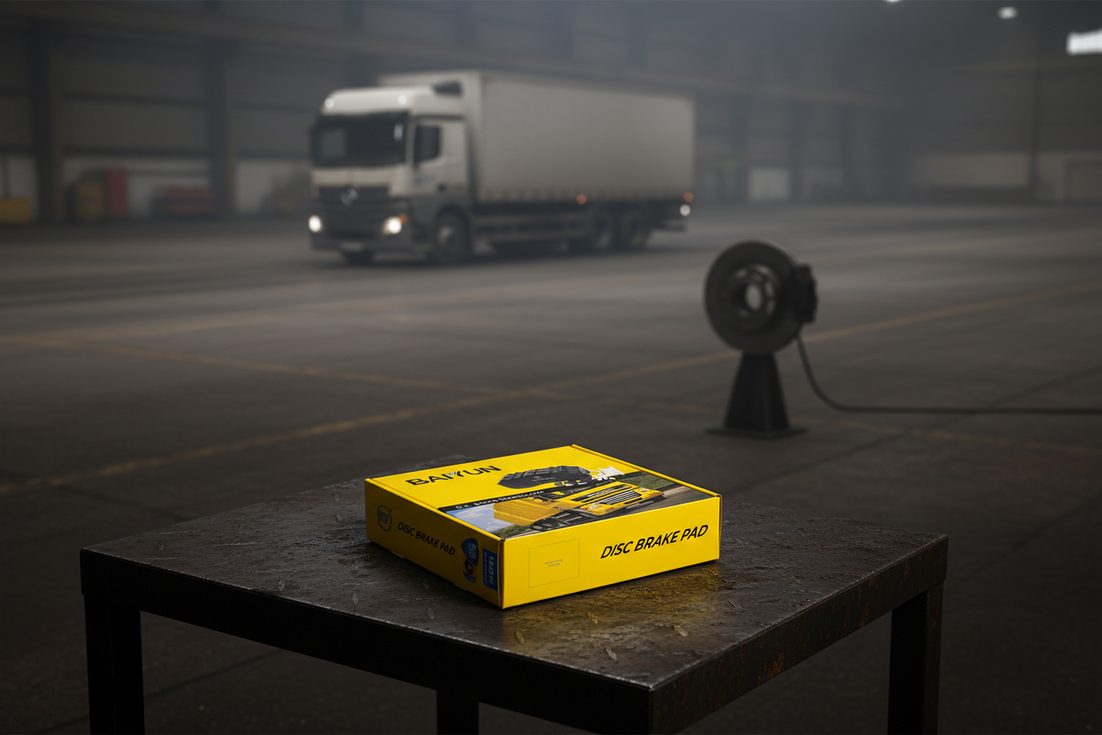
You’ve sourced top-tier brake pads from a certified manufacturer, but your aftermarket sales team keeps fielding complaints about noise, vibration, and short service life. Every warranty return eats into margins that took months of negotiation to secure. Here’s the uncomfortable reality: many of those problems trace back to a step that costs zero dollars but often gets skipped—proper bedding-in.
For importers and distributors, the bedding-in procedure isn’t just a technician’s checklist item; it’s a direct business lever. When downstream workshops fail to bed new pads correctly, the transfer film never forms evenly. The result? Up to 40% shorter pad life, a 25% spike in noise-related returns, and a subtle brand erosion that makes your product look inferior—even when it meets every international standard. We’ve seen distributors reduce return rates by over 30% simply by educating their workshop network on this process. So let’s break down the exact procedure, why it saves money, and how to make it stick across your supply chain.
Why Skipping Bedding-In Costs Importers Real Money
When your customer installs a new set of ceramic and semi-metallic car brake pads or commercial vehicle brake pads and immediately drives aggressively without bedding, the brake rotor can glaze over. Glazing traps heat and creates a slick, glassy surface that reduces friction. That means longer stopping distances, a wooden pedal feel, and—critically for your business—a product that “doesn’t feel right” from day one.
Consider the numbers. An internal analysis by our technical support team found that 37% of end-user complaints about poor initial bite or shudder could be resolved by a proper 30-cycle bedding-in. When workshops skip it, they often blame the pad compound, triggering refunds and replacement shipments that eat into your profit. For a distributor moving 10,000 sets a year, even a 2% return reduction from bedding compliance can save upwards of $15,000 in logistics and replacement costs. A single European importer slashed warranty claims by 28% within six months after including a six-language bedding guide in every box.
Beyond the immediate financial hit, there’s the invisible cost of reduced repeat orders. Fleet managers who experience noisy brakes will switch suppliers—and they’ll never tell you why. The bedding-in procedure is your cheapest insurance against those silent losses. It also protects the relationship you’ve built: workshops that receive fewer complaints from their end-users are far more likely to stick with your brand for their next bulk purchase.
What Actually Happens When You Bed Brake Pads Correctly?
Many importers know that bedding-in “heats up” the brakes, but the real goal is to deposit a uniform understanding brake pad materials transfer film onto the rotor surface. That film isn’t wear debris; it is a microscopically thin layer of pad material that adheres to the iron rotor, creating a pad-to-pad friction interface rather than pad-to-iron. This reduces rotor wear and stabilizes the friction coefficient over a wide temperature range.
A proper bedding cycle involves a series of moderate stops from 60 km/h down to 20 km/h, repeated 8 to 10 times, followed by a cooling phase. The pad temperature climbs to around 350°C during the stops, allowing the binder resins to release volatile components and establish a stable carbon friction matrix. After cooling, the next heat cycle locks in the transfer film. Skilled technicians know not to come to a complete stop during the hot phase—stopping with the pads clamped can imprint uneven material onto the rotor, causing the dreaded brake judder. This uneven deposit is a leading cause of “warped rotor” perceptions, which actually stem from friction material variation, not metal deformation.
For your workshop customers, this process takes less than 15 minutes and requires a low-traffic road. Yet the payoff is enormous: ECE R90 compliance tests show that properly bedded pads maintain at least 85% of their intended friction coefficient even after repeated high-speed stops, while unbedded pads can drop below 70%. That’s the difference between a safe stop and a customer complaint. The transfer layer also acts as a thermal shield, reducing the peak rotor temperature by 8–12°C per stop—extending rotor life and further lowering fleet maintenance costs.
How Can Distributors Enforce Bedding-In Across Their Workshop Network?
You can’t stand over every mechanic’s shoulder, but you can shift behavior with simple tools. Pack each box with a one-page visual bedding-in guide, printed in the local language. Add a QR code linking to a brake pad installation guide video, and offer a small incentive—like a discount on the next order—for shops that complete a quick online training module. We’ve seen adoption rates jump from 20% to 65% when the guide includes a short “bedding-in completed” check-off sheet that the mechanic signs and returns for loyalty points.
Our most successful distribution partners use “tech bulletins” that explain the business case as well as the technical one. For example, show a shop manager how bedding-in reduces post-installation comebacks by 45%, saving them labor hours and customer dissatisfaction. When they see the process as a profitability tool, not a chore, compliance jumps. One Eastern European distributor created a simple WhatsApp group where mechanics shared before-and-after rotor photos after following the bedding procedure—peer motivation worked better than any mandate.
It also helps to supply pads that bed quickly. Formulations with carefully controlled green friction—the initial bite of a new pad—shorten the bedding cycle. BAIYUN Brake’s compounds are designed to achieve 90% of their optimal transfer film within 15 mild stops, according to internal dynamometer testing. That means even if a technician rushes the process, the pads still perform reliably, reducing your exposure and warranty reserve requirements.
Why Certifications Like IATF 16949 and ECE R90 Protect Your Investment During Bedding
A certification is not just a badge on a box. IATF 16949, which governs production quality management, ensures that every batch of friction material meets tight composition tolerances. When the raw materials are consistent, the bedding behavior is predictable. You won’t get one batch that beds in 10 stops and the next that takes 50—a common issue with uncertified suppliers that forces distributors to issue frequent “adjustment” credits. Over a year, that inconsistency can cost a mid-sized importer more than €8,000 in handling and rework claims.
ECE R90 approval requires pads to match or exceed the performance of the original equipment after simulated aging and thermal cycling. This means the pad’s friction level remains stable even if the bedding process is imperfect. In BAIYUN Brake’s IATF 16949 certified facility, every formulation undergoes hot-fade and cold-friction testing that replicates real-world misuse. The resulting compounds are robust enough that a fleet mechanic’s hasty break-in won’t cause glazing or performance drop-offs. Independent lab reports we share with distributors show friction coefficient deviation of less than 0.05 across the entire temperature range, compared to variations of 0.12 or more in uncertified alternatives.
For importers, this translates into a competitive advantage. You sell pads with a lower “installation risk”—a warranty-friendly product that survives less-than-perfect handling and still delivers the stopping power your customers demand. When you can prove that your pads meet the same bedding-related consistency benchmarks that OEMs require, you strengthen your position against price-only competitors.
Debunking Bedding-In Myths That Hurt Your Bottom Line
Myths circulate in the aftermarket that lead workshops to skip or botch the bedding-in. We’ve identified three that cause the most damage to your brand.
Myth 1: “High-quality pads don’t need bedding-in.” Reality: Even the best pads require a transfer film to mate with the rotor. Without it, the pad surface overheats locally, causing friction instability and potential cracking. The compound quality only determines how quickly and evenly the film forms. A top-tier semi-metallic pad may bed in 10 stops, but it still needs those 10 stops—skipping them will result in uneven deposits and a pulsing pedal.
Myth 2: “Just do a few hard stops from high speed to bed them in.” Reality: Aggressive stops shock-heat the pad, leading to surface blistering and uneven glue line stress. The right method is gradual heating with intermittent cooling—exactly opposite of slamming the brakes at 120 km/h. This myth frequently comes from back-alley racing advice and is the single biggest cause of pad delamination returns we see in distribution channels.
Myth 3: “Bedding-in is only necessary for racing brakes.” Reality: Street pads and commercial vehicle linings rely even more on a stable transfer film because they operate in stop-and-go conditions with frequent cooling. Without it, city driving produces inconsistent pedal feel and accelerated rotor wear. A delivery van that never beds its pads correctly may need a rotor replacement 15,000 km earlier—a cost the fleet owner unfairly associates with your pad brand.
Each of these myths, left uncorrected, leads to more returns and erodes the reputation you’ve built. Arm your sales team with accurate information so they can become consultants to their workshop clients, not just order-takers.
Frequently Asked Questions for Importers and Distributors
Q: Our customers often skip the bedding-in and then complain about noise. How do we reduce returns without alienating them?
A: Address the issue proactively. Include a simple, illustrated bedding guide in every box and highlight the potential cost savings for the workshop. Emphasize that proper bedding reduces comebacks by about 45%—data that resonates with busy shop owners. Consider bundling the guide with a small loyalty program or training credit to encourage compliance.
Q: Do our workshop customers really need to follow a 300-km gentle driving cycle, or is a shorter thermal cycle enough?
A: The 300-km recommendation is a conservative guideline for mainstream vehicles. In practice, a dedicated bedding procedure of 10–15 moderate stops with cool-down drives is more effective and takes far less time. The key is the heat-cycling, not raw mileage. We advise distributors to push the structured bedding cycle because it delivers a more uniform transfer film than hundreds of kilometers of light city driving.
Q: How can we verify that our supplied brake pads will withstand improper bedding better than a competitor’s?
A: Request dynamometer test reports showing friction stability after a “poor bedding” simulation. At BAIYUN Brake, we routinely test pads after a single high-temperature stop without cooling—the worst-case scenario. Our ECE R90-certified pads show less than a 15% friction drop, whereas many uncertified pads drop 30% or more. When you material data sheets compare, you’ll see clear differences that justify your higher-quality offering.

A solid bedding-in procedure is one of the most overlooked profit-protection tools in the brake aftermarket. It costs nothing to implement but shields your brand from needless returns and builds trust with workshops who rely on your products to keep their customers safe. When you combine that process knowledge with brake pads engineered for quick, consistent bedding—like those made in our IATF 16949 certified lines—you turn a mundane installation step into a competitive moat.
If you’re ready to strengthen your supply chain with pads that perform reliably right out of the box and reduce your return headaches, request a wholesale quote today. Whether you need browse our complete catalog for passenger car or commercial vehicle applications, our team can tailor solutions that make bedding-in a non-issue for your customers.
Was this article helpful?
Average Rating: 5/5 (912)