
How to Verify Brake Pad Factory Quality Before Bulk Order
Summary:
How to verify brake pad factory quality before a bulk order starts with certifications, batch test reports, and a small sample validation. This technical guide for commercial vehicle brake pad importers and distributors outlines the documents to request, the friction and shear tests that expose weak production, and the audit checklist that separates a certified factory from a trading office. It also explains ECE R90 part-number scope, IATF 16949 three-year audit cycles, and the cost logic behind pre-shipment inspection. Readers will see why a 300–500 set pilot order, independent testing, and raw material traceability reduce warranty risk. BAIYUN Brake shares practical sourcing benchmarks for heavy-duty truck, bus, and trailer friction programs. Use this checklist before you pay a deposit or sign a supply agreement. The goal is simple: lower warranty exposure and stronger fleet confidence.
How to Verify Brake Pad Factory Quality Before Bulk Order
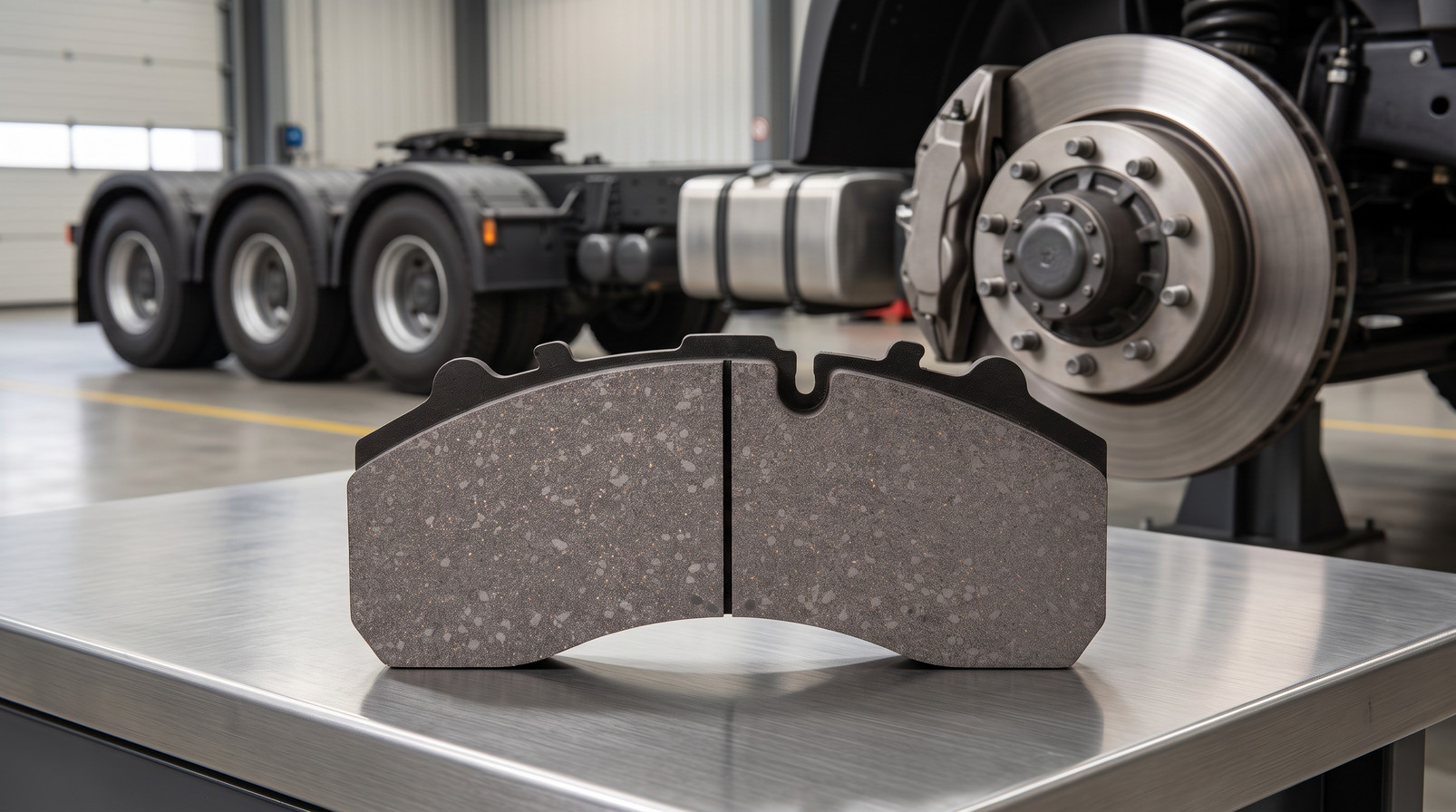
Quick answer: You verify brake pad factory quality by checking certification scopes, homologation documents, raw material traceability, and in-house test reports before ordering. Then validate those claims with a small sample order, independent testing, and a pre-shipment inspection. This practical sequence protects your container investment and your reputation with fleet customers.
What Documents Should You Request Before Paying a Deposit?
A trading office can email a PDF certificate in five minutes. A factory you can audit will show you the certificate scope, the physical production address, and the exact part numbers covered.
Start with IATF 16949. It builds on ISO 9001 and adds automotive-specific controls such as failure mode analysis, control plans, measurement system analysis, and third-party audit cycles that run across three-year certification periods. If a supplier claims IATF 16949, ask which production site is listed and whether your part numbers fall inside the scope. You can also review our IATF 16949 certified facility page to see the documentation format you should expect.
Next, ask for ECE R90 homologation for each commercial vehicle brake pad part number you plan to buy. ECE R90 means the pad has been tested against the original component performance. The pad must retain at least 80% of its cold braking effectiveness after thermal cycling to 400°C. The pad itself should carry the approval code, and the supplier should provide the matching test report. A missing or mismatched code is a stop sign before any deposit.
Which In-House Tests Reveal Real Friction Performance?
Certificate walls don't tell you how batch 2026-08 behaves under a loaded bus descending a 6% grade. That's what dynamometer reports are for.
| Test or parameter | What a solid report shows | Red flag |
|---|---|---|
| Friction coefficient (SAE J2522 / ISO 26867) | 0.38–0.42 across 100–350°C for heavy-duty pads, stable within ±0.03 | Friction drops more than 15% after the fade section |
| Shear strength | Documented minimum bond strength per the factory control plan and no delamination on tested samples | No shear data or pad material separates from the backing plate |
| Hot fade and recovery | Hot effectiveness recovers to at least 80% of cold performance after cooling | Recovery below 70% or missing post-fade data |
| Wear rate | Measured wear under specified load and speed, compared against the supplier's published wear limit | No wear data or results that exceed the wear limit on sample pads |
In BAIYUN Brake's recent commercial vehicle dynamometer summaries, heavy-duty formulations show a friction coefficient band of 0.38–0.42 and batch-to-batch stability within ±0.03 across the 100–350°C range. That's the kind of release data you want before you accept a container. You can request the commercial vehicle brake pad test report to see the format.
How Do You Check Batch Consistency Without Flying to the Factory First?
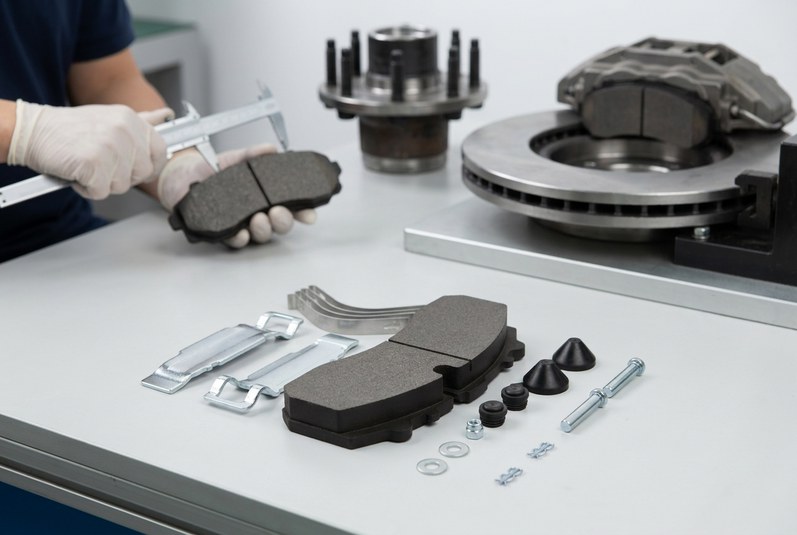
You can't test every pad in a 40,000-set container, but you can demand the systems that make consistency measurable before the parts leave the plant.
Ask for raw material lot numbers, mixing records, and pressing parameters for the production batch that will fill your order. A factory that records steel backing plate lots, friction powder lots, and bonding agent lots can trace a field issue to a single raw material delivery. That's the difference between root-cause analysis and guesswork.
Also ask how the plant samples production. A reasonable plan is 1 pad pair per 200 sets pulled for dimensional checks, hardness, and random shear testing. If the supplier only tests after you complain, that tells you everything about their internal release control.
What Does a Brake Pad Factory Audit Checklist Actually Look Like?
If you or a third-party inspector visits the plant, don't spend the day in the meeting room. Walk the raw material warehouse, the pressing line, and the test lab.
- Confirm the IATF 16949 certificate is valid and the site address matches the invoice.
- Check raw material storage for steel backing plates, friction powder, and bonding agents with visible lot numbers.
- Ask to see mixing records for the specific friction formulation you're buying.
- Verify automatic pressing lines record pressure, dwell time, and temperature per cycle.
- Confirm curing ovens have time-temperature charts for every batch, not just selected batches.
- Review the grinding and scorching line for dimensional control and surface finish consistency.
- Request retained samples from the last three production batches.
- Check the test lab has a calibrated dynamometer, shear tester, and hardness tester.
- Agree on a pre-shipment inspection sampling plan; 10–20 sets from your actual order is reasonable.
- Get the name of the quality manager responsible for final release.
What Does Verification Cost Compared With a Field Failure?
A full third-party test on 10 sets might cost $800–$1,500 depending on lab location and test scope. A single brake-related warranty campaign across a bus fleet can wipe out several container margins. Let's put that in perspective: a distributor running 2,000 commercial vehicles and replacing pads every 80,000 km can see 3–5% return rates from cheap, inconsistently mixed pads. The freight, labor, and brand damage from those returns usually exceed the cost of a proper factory audit by 3 to 5 times.
So what does that mean for your bottom line? Verification is sourcing insurance. You don't need to test every order. But for a new supplier or a new friction formulation, spending $1,000 on lab testing before a $60,000 container is a rational decision. It also gives you a documented baseline if future batches drift. A trusted brake pad supplier should already have the test infrastructure in place.
What Are the Most Common Misconceptions About Verifying Brake Pad Factory Quality?
Misconception: An ECE R90 certificate covers every pad the factory sells. → Reality: ECE R90 approval is part-number specific. A certificate for one commercial vehicle pad does not automatically homologate a different friction size or axle application. Always match the homologation code to the part number on your order.
Misconception: A worn-looking factory cannot make precision brake pads. → Reality: Some of the best commercial friction plants are not showrooms. What matters is controlled mixing, pressing, curing, and testing. A clean test lab and documented SPC history matter more than polished floors.
Misconception: Cheap pre-production samples equal cheap production. → Reality: Pre-production samples are often made on separate pilot lines. Buy a random 10–20 sets from current stock and run independent shear and friction tests. That sample better predicts your container.
What Are the Most Common Buyer Questions About Brake Pad Factory Verification?
Q: How many samples should I order before a bulk brake pad order?
A: Order 10–20 sets from current production inventory, not hand-picked or pilot-line samples. Send at least 6–10 sets to an independent lab for friction, shear, and hardness testing before you commit to a full container.
Q: What third-party tests should I request on commercial vehicle brake pads?
A: Ask for SAE J2522 or ISO 26867 dynamometer testing, shear strength, hardness, and post-fade recovery. Compare the reported friction coefficient against the 0.38–0.42 range for heavy-duty pads and reject any batch that varies more than ±0.03 from the supplier's stated target.
Q: How do I confirm a factory's ECE R90 approval is valid?
A: Check the homologation code stamped on the pad against the certificate and the exact part number. ECE R90 approval is part-specific, and the pad must retain at least 80% of its cold braking effectiveness after thermal cycling to 400°C.
Q: What is a safe first order quantity for a new brake pad supplier?
A: A 300–500 set pilot order is often enough for commercial distributors to validate fitment, packaging, and field performance. Once the batch passes independent testing, you can scale to 5,000 sets or more with less risk.
Q: How long should a factory retain production records for brake pads?
A: Retain at least 24 months of batch records and physical samples. BAIYUN Brake keeps production records and retained samples so any field issue can be traced to raw material lots and process parameters.
What Should You Do Before Your Next Bulk Order?
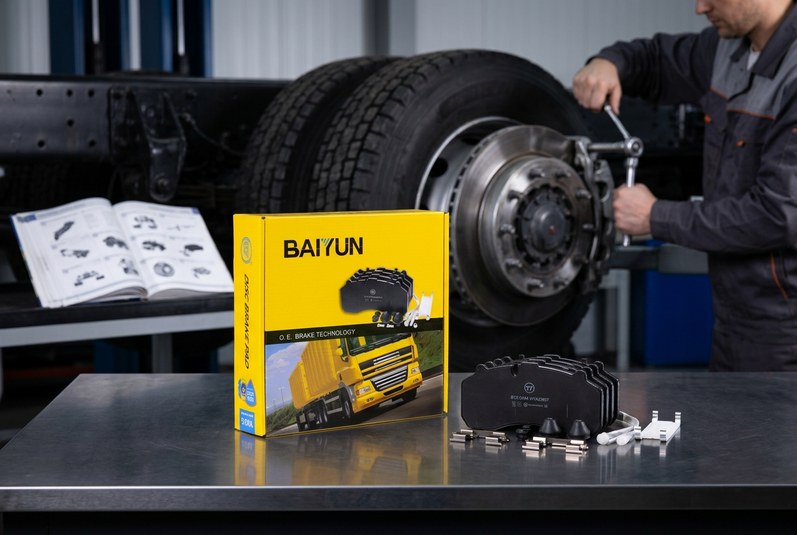
Don't let a low quote override missing test data. A brake pad that fades on a loaded truck becomes a liability, not a saving. Verify the certificates, get the batch reports, test the samples, and audit the process before you commit.
If you're sourcing commercial vehicle brake pads or linings, start with a short technical discussion. Request a wholesale CV brake pads inquiry and compare our IATF 16949 and ECE R90 documentation against your checklist. For lining-focused programs, request a quote for commercial vehicle brake linings.
You can also download the commercial vehicle brake pad test report to see the data format we provide. When you're ready, submit your inquiry to our sales team.
Was this article helpful?
Average Rating: 5/5 (738)