
How to Source Reliable Heavy Duty Brake Pads for Commercial Fleets
Summary:
Sourcing reliable heavy duty truck brake pads wholesale China requires a technical focus on specifications, test standards, and manufacturer evaluation. For commercial fleet managers and distributors, understanding friction coefficients, load ratings, and compliance like IATF 16949 and ECE R90 is critical to avoid downtime and ensure safety. This guide breaks down the procurement process from a quality-first perspective.
How to Source Reliable Heavy Duty Brake Pads for Commercial Fleets
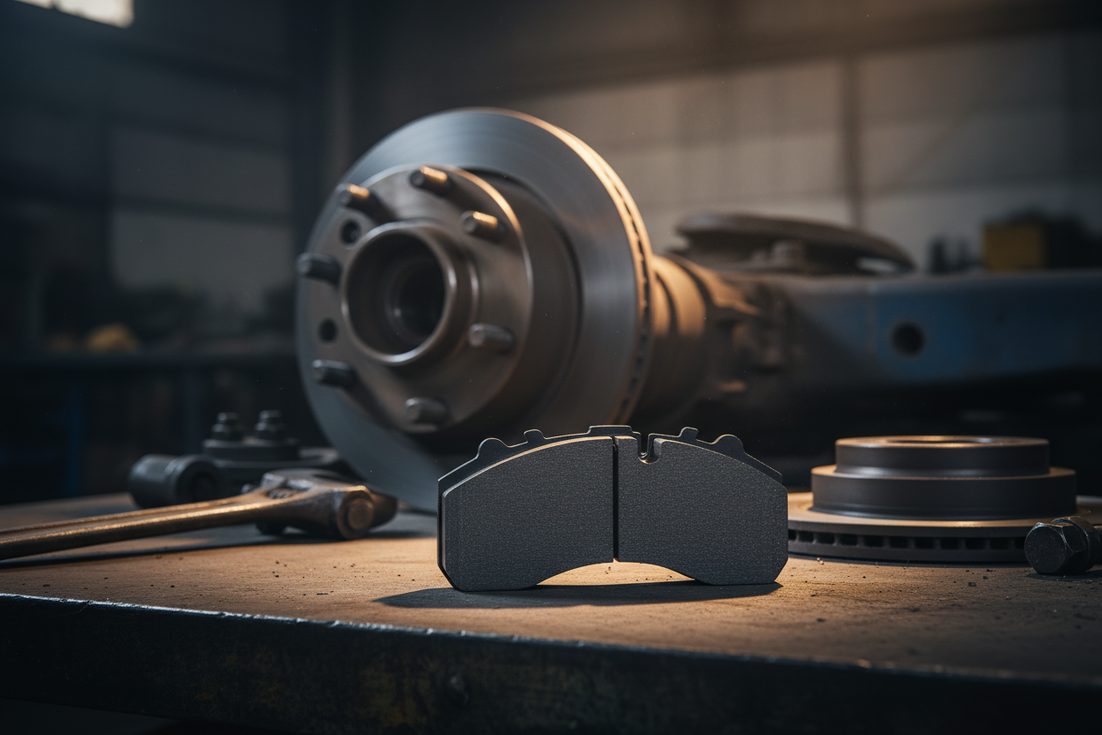
If you're responsible for a commercial fleet, you know brake pad failure isn't just a maintenance issue—it's a direct hit to your bottom line. The global heavy-duty brake components market is projected to reach $12.8 billion by 2026, but not all of that value is created equal. Sourcing the right heavy duty truck brake pads wholesale China means navigating a complex landscape of technical specs, compliance standards, and supplier reliability. A single bad batch can lead to cascading costs: unscheduled downtime, increased rotor wear, and even safety incidents. So how do you separate the truly reliable suppliers from the rest? It comes down to understanding the technical backbone of the product.
Decoding the Technical Specifications That Actually Matter
Forget generic marketing claims. When you're buying in bulk for a fleet, you need to speak the language of engineering. The first spec to lock down is the friction coefficient, usually denoted as the 'FF' rating (e.g., FF, GG). This isn't just a number; it dictates stopping power and pedal feel. For line-haul trucks, a consistent GG rating is standard, but for severe-duty applications like refuse or construction, you might need a higher-temp rated pad. Ask your supplier for the full friction curve, not just the nominal rating. How does performance hold up from 100°C to 350°C? A pad that fades at high temperatures is a liability.
Next, examine the brake pad load rating. This determines the maximum axle load and GVWR (Gross Vehicle Weight Rating) the pad is designed to handle. Using an under-spec pad on a fully loaded tractor-trailer is asking for trouble. You'll also want data on compressibility and shear strength. Low compressibility ensures consistent pedal travel, while high shear strength prevents the friction material from delaminating from the backing plate under extreme stress. These are the details that prevent callbacks and warranty claims. For a deeper dive into material science, our guide on understanding brake pad materials breaks down the composition of semi-metallic and high-metallic formulations.
The Non-Negotiable Test Standards and Compliance Checklist
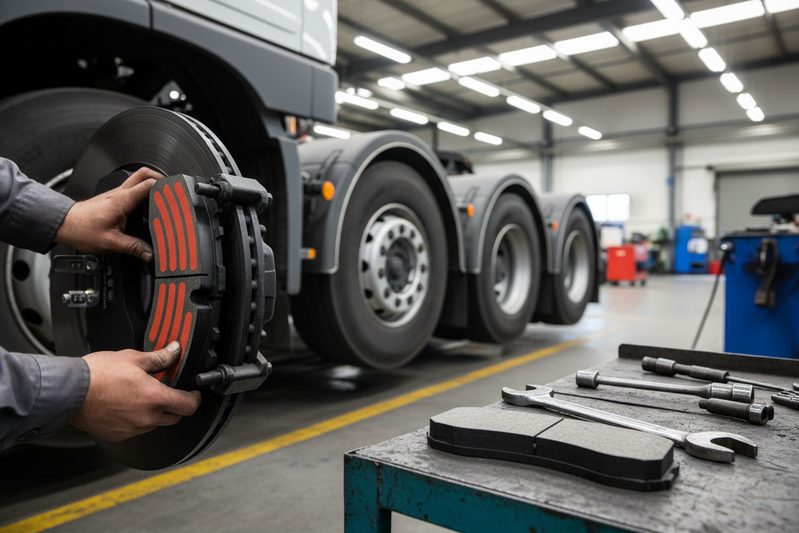
Certifications are your first filter. Any serious manufacturer for the global market will have IATF 16949 certification—this is the automotive industry's quality management standard, not just a generic ISO 9001. It mandates rigorous process control and continuous improvement. For European market access, ECE R90 certification is mandatory. This regulation involves type-approval testing on inertia dynamometers to verify performance matches the original equipment. Don't just take a certificate at face value; ask for the test report. A reputable supplier like BAIYUN Brake will provide these documents transparently.
Beyond baseline certifications, inquire about in-house testing protocols. Does the factory perform SAE J2522 inertia dynamometer tests or real-world simulation cycles? How do they batch-test for consistency? The goal is to verify that the 500th set in your order performs identically to the first. This level of control is what separates a parts assembler from a true manufacturer. You can review sample data in our dedicated commercial vehicle brake pad test report to see the depth of analysis required.
Matching Pad Formulation to Fleet Duty Cycles
One pad does not fit all. The 'best' heavy duty brake pad is the one engineered for your specific operation. Let's break it down. For long-haul freight on highways, the priority is low wear and stable performance with minimal heat buildup during sustained cruising. A premium semi-metallic formulation often hits the sweet spot here. For vocational fleets—think dump trucks, concrete mixers, or refuse vehicles—the story changes. These trucks face constant stop-and-go cycles, higher gross weights, and more exposure to contaminants. They need a severe-duty or high-metallic pad designed to withstand thermal shock and aggressive use.
What about noise and dust? In urban delivery or bus fleets, low-noise formulations (often with specialized shims or chamfers) and low-dust materials can reduce community complaints and keep wheels cleaner. It's a balancing act between performance, wear, and ancillary factors. A good supplier won't just sell you a catalog number; they'll ask about your fleet's average daily mileage, typical cargo weight, and operating terrain. This consultative approach is part of our competitive advantages at BAIYUN, built on decades of solving real-world braking challenges.
Evaluating a Chinese Manufacturer: Beyond the Price Per Set
The initial quote is tempting, but the true cost of ownership includes warranty claims, downtime, and component longevity. When evaluating a heavy duty truck brake pads wholesale China supplier, dig into their manufacturing pedigree. How many years have they been producing brake linings specifically? Do they control the entire process from raw material mixing to final curing, or are they just pressing purchased friction material onto plates? Vertical integration is a huge indicator of quality control. Ask for a virtual factory tour to see their mixing systems, molding presses, and heat treatment ovens.
Scrutinize their R&D capability. Can they develop custom formulations or modify existing ones based on your feedback? Do they have a lab for material analysis? This is critical if you need pads for a unique or older vehicle model. Finally, examine their logistics and packaging. Are pads individually wrapped to prevent corrosion and damage during ocean freight? Is their documentation (packing lists, certificates) clear and professional? These operational details tell you more about their reliability than any sales brochure. For a comprehensive look at our capabilities, you can download the BAIYUN Brake company introduction.
Frequently Asked Questions for Wholesale Buyers
What's the typical lead time for a container load of heavy-duty brake pads from China?
For standard catalog items with approved samples, expect 30-45 days from order confirmation to shipment ready at port. This includes production time and pre-shipment quality checks. For new formulations or custom tooling, add 60-90 days for R&D and sample approval. Always factor in ocean freight transit time (another 30-45 days to major ports) into your inventory planning. Reliable suppliers provide clear production schedules.
How do you ensure batch-to-batch consistency on large orders?
Consistency starts with raw material sourcing. We use certified, traceable metal powders and resins from approved vendors. Every production batch undergoes spectrographic analysis to verify chemical composition before mixing. The mixed friction material is then tested for density and shear strength. Finally, finished pads from each curing batch are sampled for dynamometer testing against a master standard. This multi-stage process, governed by our IATF 16949 system, is documented for full traceability.
Can you provide brake pads that match specific OEM part numbers or competitor equivalents?
Yes, absolutely. With over 49 years in brake manufacturing, we've compiled an extensive cross-reference database covering major OEMs and aftermarket brands. Provide us with the OE part number, competitor number, or even a sample, and our technical team can match the formulation, dimensions, and performance characteristics. We can also advise if an upgrade to a more durable material is available for that application. Start by contacting our team with your requirements list.
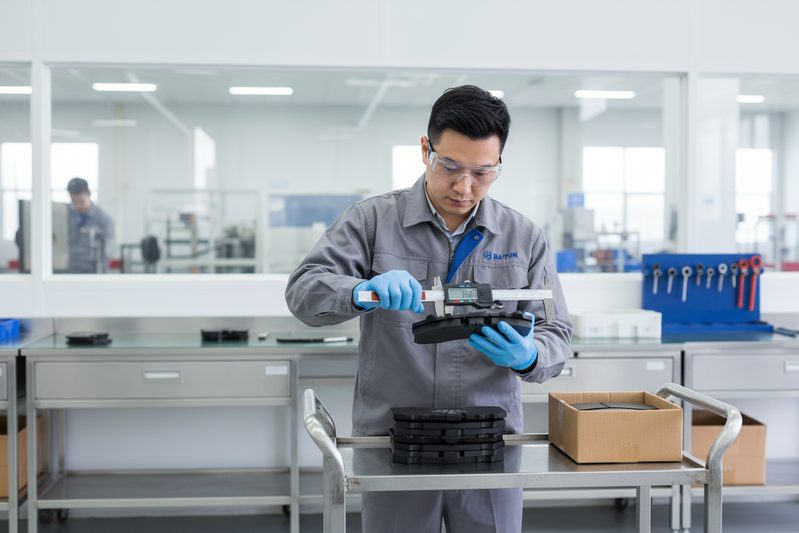
Specifying heavy-duty brake pads is a technical procurement exercise, not a simple purchase. The stakes—safety, uptime, total cost—are too high to base decisions on price alone. You need a partner who understands the engineering, controls the manufacturing, and stands behind the product with data. That's the foundation we've built at BAIYUN Brake. Ready to review technical specs and test reports for your next fleet order? Let's talk specifics.
Request a quote and technical data package for your fleet requirements →
Was this article helpful?
Average Rating: 5/5 (1492)