
How RSD brakes have impacted the aftermarket – Trucks, Parts, Service
Summary:
How RSD brakes have impacted the aftermarket - Trucks, Parts, Service is a practical guide for fleet buyers, distributors, and maintenance teams. Reduced stopping distance rules reshaped commercial vehicle brake replacement after August 2011. Class 8 tractors now need components that hold a 250-foot stopping distance from 60 mph under FMVSS 121. This article explains why older-generation linings create risk, how to verify WVA references, and what ECE R90 and IATF 16949 mean for aftermarket parts. Buyers get a technical comparison table, a pre-shipment checklist, and five FAQ answers built around wholesale sourcing. BAIYUN Brake supplies commercial vehicle brake pads and linings matched to RSD performance targets. The focus stays on total cost per mile, batch traceability, and supplier documentation. For fleet maintenance teams and importers, this is the difference between a safe truck and a liability problem.
How RSD brakes have impacted the aftermarket - Trucks, Parts, Service
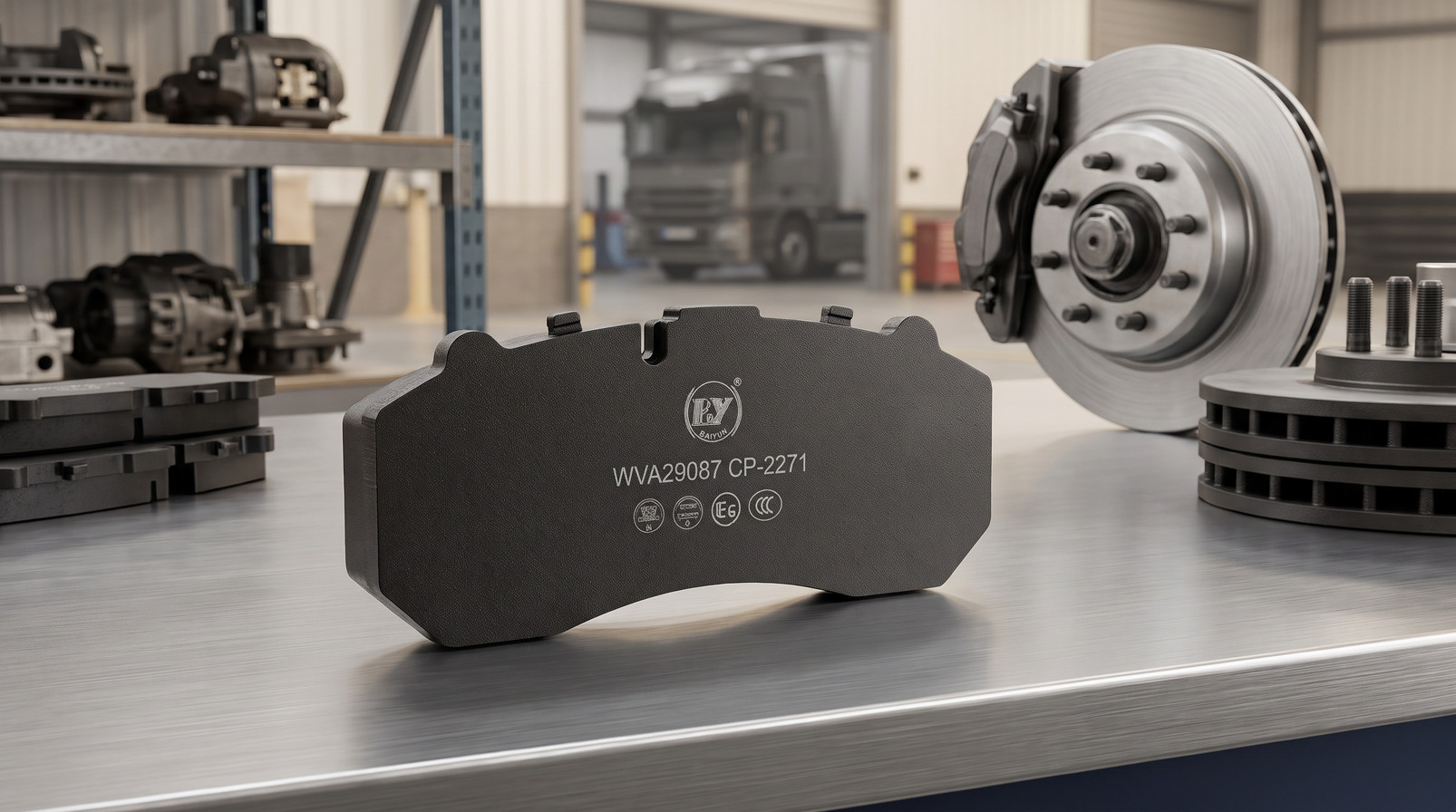
Quick answer: Reduced stopping distance (RSD) rules changed Class 8 tractor brake systems after August 2011. Fleets and distributors can't simply install older-generation linings on RSD-equipped trucks without risking longer stops, uneven wear, and liability. RSD drum brakes must deliver 250-foot stopping distance or better from 60 mph under FMVSS 121. For aftermarket buyers that means verifying friction material, WVA reference, and ECE R90 compliance. BAIYUN Brake supplies IATF 16949-certified commercial vehicle brake pads and linings matched to RSD-performance targets.
Ask ten fleet maintenance managers what RSD means in 2026 and you'll get ten different levels of confidence. Some treat it as a brake spec. Others treat it as a federal paperwork exercise. That gap is exactly where bad purchasing decisions happen.
Why do fleet buyers still get burned by RSD replacements?
Most fleets don't fail because they bought cheap brakes. They fail because they bought brakes without confirming what the axle actually needs. A Class 8 tractor built after mid-2011 may have RSD-compliant drum brakes on the steer axle, drive axle, or both. Mix a non-RSD lining into that setup and the torque balance shifts. One axle grabs harder. Another heats up slower. The result isn't always a crash. Often it's uneven lining wear, brake pull complaints, and drivers reporting longer stops on grades.
Independent aftermarket distributors point to the same blind spot. FMCSA's rules don't mandate specific aftermarket parts for RSD vehicles. That leaves the choice with the fleet. So the question becomes: does your supplier give you enough data to make that choice correctly, or just a part number?
What exactly changed under the RSD brake rules?
RSD isn't a single part. It's a performance requirement. Under FMVSS 121, three-axle tractors had to cut stopping distance from roughly 355 feet to 250 feet at 60 mph. That forced brake manufacturers to rework drum friction formulations, shoe geometry, and thermal management. Air disc brakes gained adoption because they met the target with margin. But RSD drum brakes narrowed the gap considerably.
Meritor's published testing showed its RSD drum brakes stopped at 225 feet in FMVSS 121 runs, roughly 10 percent better than the 250-foot requirement. That's a meaningful point for fleets. Disc brakes aren't the only way to be RSD-compliant, and a well-matched drum lining can do the job with lower acquisition cost.
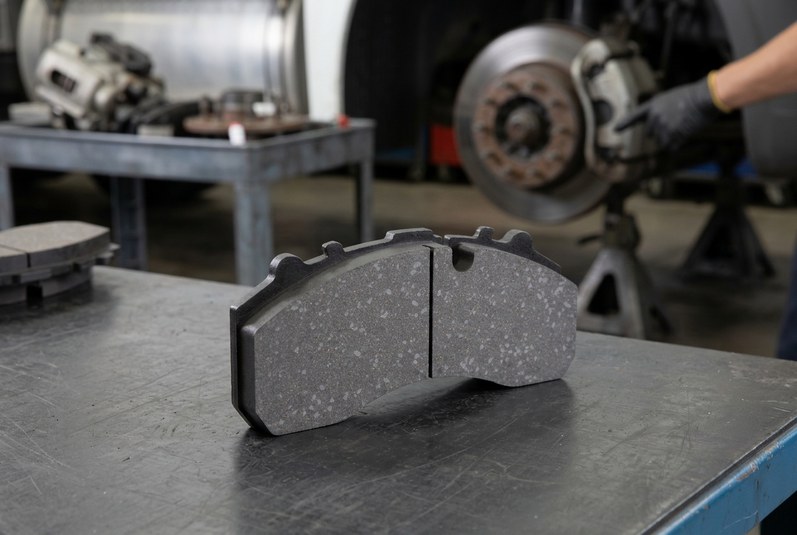
For aftermarket buyers, the technical shift means heat matters more than it used to. A lining that maintains friction stability through repeated snubs will survive real duty cycles. One that spikes at low temperature and fades after 300°C won't. The aftermarket problem is that both can look identical sitting in a box.
| Parameter | RSD rule impact | Aftermarket buyer check |
|---|---|---|
| Stopping distance | Class 8 tractors must stop from 60 mph within 250 feet under FMVSS 121 | Request dynamometer test data, not just sales claims |
| Drum vs disc | RSD drum brakes narrowed gap to air disc; Meritor RSD drums stopped at 225 feet in testing | Confirm friction formulation matches axle type and service duty |
| WVA reference | Specific lining profile codes tie to RSD-validated applications | Confirm with supplier catalogue |
| Certification | ECE R90 and IATF 16949 show process control and road-use performance | Ask for current certificates and batch traceability |
| Service interval | Higher thermal loads demand stable friction across heat cycles | Measure wear rate and total cost per mile, not just unit price |
What should a distributor verify before stocking RSD-class brake pads?
If you're moving 500 sets a month into fleet accounts, a single bad batch can cost you far more than the margin. Start with the WVA reference. It ties the lining geometry and friction material code to a validated application. If your supplier can't produce a clean WVA cross-reference, walk away.
Then ask for full dynamometer curves across the operating temperature range. A pad can pass a cold stop test and still fail in mountain descents. You want to see friction coefficient stability from 100°C through at least 350°C, not a single number.
That's why a trusted brake pad supplier should provide batch traceability and test reports with every shipment. Price per set matters, but repeat warranty claims kill distribution relationships faster than a 3 percent cost difference.
How does RSD brake selection affect total cost per mile?
Fleet managers don't buy brakes. They buy cost per mile. RSD-class linings often cost more per set than legacy formulations, but the total cost story can be different. Better friction stability reduces uneven axle wear. Fewer brake pulls mean fewer roadside adjustments. More consistent lining life means fewer unscheduled services across a 100-truck fleet.
Consider thermal stress. A lining that fades during repeated downhill braking forces the driver to brake harder more often. That accelerates drum and rotor wear. It also increases the chance of heat checking. Over 300,000 miles, a 15 percent price premium on a stable RSD formulation can easily disappear through longer service intervals.
BAIYUN Brake runs commercial vehicle friction material testing against these real-world duty cycles. You can request a commercial vehicle brake pad test report before committing to a full container. If the data doesn't show thermal stability, the price doesn't matter.
What does BAIYUN Brake check for RSD-class commercial vehicle linings?
We treat RSD-class products as a qualification exercise, not a catalogue entry. Every heavy-duty formulation goes through dynamometer testing, thermal cycling, and wear evaluation before release. Our IATF 16949 certified facility tracks raw material lots through mixing, pressing, and curing. That's not marketing language. It's how you prevent a supplier from shipping one batch with stable friction and the next batch with fade problems.
For buyers sourcing wholesale CV brake pads inquiry or request a quote for commercial vehicle brake linings, the verification steps are straightforward. Confirm the WVA reference against the axle model. Confirm ECE R90 approval for the aftermarket part. Confirm the supplier can supply test data by production lot. If the answer to any of those is unclear, you're guessing.
Buyer verification checklist for RSD-class brake parts
- WVA reference: Confirm with supplier catalogue. Cross-check against axle type, brake size, and application.
- FMVSS 121 context: Ask if the friction formulation was developed for RSD-era Class 8 axles, not legacy drums.
- Friction curve: Request dynamometer data from 100°C to 350°C minimum. Look for stable coefficient, not just peak number.
- ECE R90: Verify current approval number and test report for the specific part number.
- Batch traceability: Ask for production lot codes, raw material batch links, and QC sign-off per shipment.
- Wear rate: Compare projected lining life to your fleet's current baseline. Don't buy on unit price alone.
FAQ: RSD brakes for fleet buyers and distributors
Q: Do I need special brake pads for any truck built after 2011?
A: Yes for RSD-equipped axles. Not every truck built after mid-2011 has RSD brakes on all positions, but mixing older friction material changes balance. Confirm the axle specification and the WVA reference before ordering.
Q: Can I retrofit older brake designs to RSD performance?
A: Some drum brake upgrades exist, but there is no federal retrofit mandate. Air disc conversions can reduce stopping distance, though they change torque balance. Verify with the axle manufacturer and use validated lining combinations.
Q: Does ECE R90 matter for US commercial fleets?
A: ECE R90 is a European performance standard, but it signals independent aftermarket brake components were tested to at least match original cold and hot effectiveness. Many global fleets specify it as a minimum alongside IATF 16949.
Q: What's the most common mistake when sourcing RSD-class pads?
A: Buying on price alone and ignoring friction coefficient stability. A pad that meets cold stopping numbers but fades after 300°C may pass initial inspection and fail in real mountain descents. Request full dynamometer curves.
Q: How do I know if a supplier's WVA number is correct?
A: Confirm with supplier catalogue. The WVA reference is tied to lining geometry and friction material code. Cross-check the supplier's fitment data against the axle and brake model before issuing a purchase order.
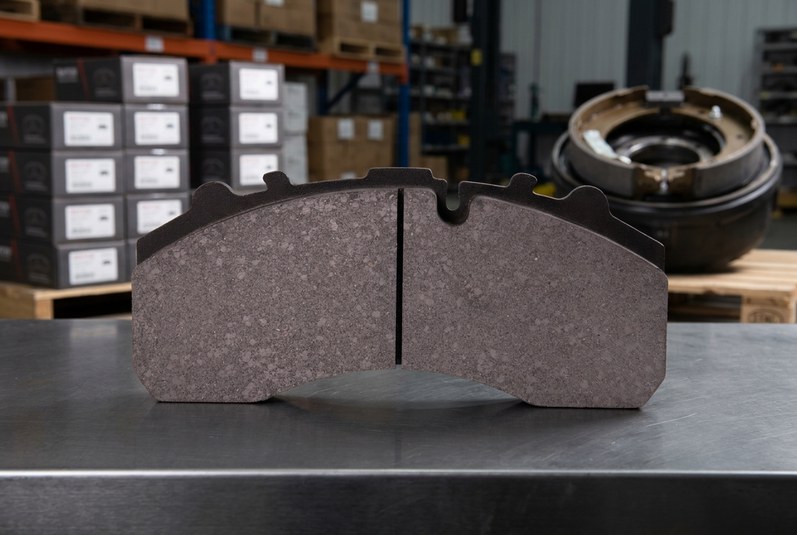
If you're sourcing RSD-class commercial vehicle brake pads or linings, don't treat the WVA reference and test data as optional paperwork. That's the difference between a truck that stops predictably and a fleet that fights brake pulls, warranty claims, and CSA violations. At BAIYUN Brake, we match IATF 16949 process control with ECE R90-validated friction materials for heavy-duty buyers. Start with our heavy-duty brake pad range or OEM brake lining solutions, then request a wholesale quote. We'll respond with batch traceability and test data, not just a price sheet.
For manufacturer and company information, see About BAIYUN.
Was this article helpful?
Average Rating: 5/5 (211)