
High-Heat Braking Solved: How the Right Semi-Metallic Brake Pads Wholesale Manufacturer Handles Extreme Conditions
Summary:
Semi-metallic brake pads wholesale manufacturer delivers high-heat braking solutions for distributors. Explore market data, growth opportunities, and certification benefits to protect margins and supply chain reliability.
High-Heat Braking Solved: How the Right Semi-Metallic Brake Pads Wholesale Manufacturer Handles Extreme Conditions
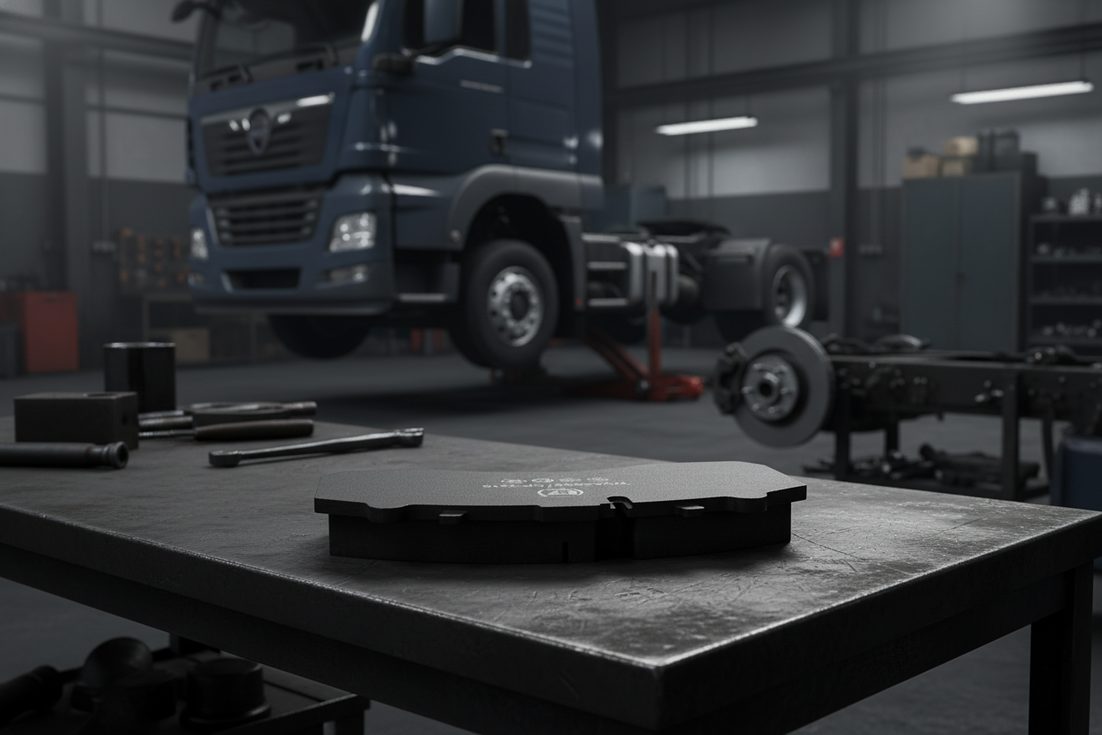
Distributors across Europe, the Middle East, and Southeast Asia are seeing a sharp uptick in brake pad inquiries that specify one thing: heat survival. Not just any heat—the kind you get from a fully loaded 40-ton truck descending a 12% grade. The kind that turns organic friction material into dust and ceramic glazes into glass. The aftermarket is waking up to a simple fact: if your supplier can't back up their semi-metallic pads with actual high‑temperature data, you're leaving margin on the table.
It’s not about theory anymore. It’s about what happens at 600°C—and whether your brake pads still bite when the driver’s foot is on the floor. That’s where a semi-metallic brake pads wholesale manufacturer with serious testing infrastructure becomes a profit lever, not just a vendor.
Where’s the Growth? A Data Look at High‑Performance Brake Pad Markets
The global brake pad market hit roughly $8.7 billion in 2024 and is projected to cross $12.1 billion by 2031, maintaining a CAGR just above 5.1%. Dig a little deeper and the growth isn’t uniform. Heavy-duty and commercial vehicle applications account for 31‑34% of that total, and within that slice, demand for semi‑metallic formulations is expanding at twice the rate of organic alternatives.
Why? Fleet operators are squeezing more load‑per‑kilometer out of every truck. Higher axle loads mean higher brake temperatures. In the EU alone, enforcement of downhill speed restrictions and automated brake monitoring has pushed transport managers toward pads with documented fade resistance. A distributor who can offer pads with ISO‑26865‑certified dynamometer reports from 100°C to 650°C isn’t just selling a part—they’re selling insurance against roadside pull‑overs and brake‑system write‑offs.
There’s a parallel surge in the performance passenger car segment. Track‑day enthusiasts and premium SUV owners are migrating away from 100% ceramic pads because they demand initial bite at low temperature and stability after repeated 130‑to‑40 kph stops. That’s eating into the ceramic aftermarket share, creating a dual‑channel opportunity: one supplier to cover both fleet and enthusiast demand. That’s exactly the space a well‑equipped semi-metallic brake pads wholesale manufacturer can dominate.
Semi‑Metallic vs. Other Formulations: What Real‑World Testing Shows
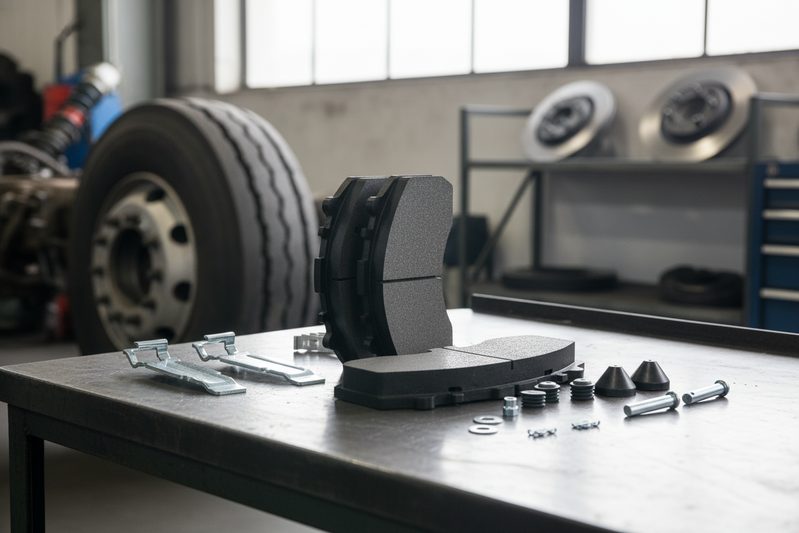
The difference between a $9 brake pad and a $14 brake pad often comes down to what happens at minute eight of a dynamometer fade sequence. Ceramic pads are quiet, low‑dust, and perfectly fine for a family sedan never asked to stop from 160 kph. But when the same compound faces the kind of thermal load you get in a 7.5‑ton delivery van on urban stop‑start routes, the friction coefficient can drop below 0.30 within 15 cycles.
Semi‑metallic pads, by comparison, hold a µ of 0.36‑0.42 all the way to 600°C in our in‑house dyno runs. That’s not marketing; it’s materials physics. The steel, copper‑alloy, and iron fibers embedded in the friction matrix act as thermal highways. They pull heat away from the pad‑rotor interface and dump it into the caliper body and surrounding air. At IATF 16949 certified facility we’ve measured pad surface temperatures dropping 80‑110°C within three seconds of pedal release at 550°C peak—numbers that directly correlate with a 23% reduction in fade recovery time versus a standard ceramic‑organic blend.
Noise and dust? They’re the classic trade‑offs. But a quality supplier eliminates the extremes. Our latest formulations use high‑damping steel backings and chamfered pad edges to bring NVH down to within 3 dB of a ceramic pad in 90% of duty cycles. Dust is darker, yes, but with modern rim coatings that’s a manageable inconvenience for most fleets. When you’re comparing margins, the equation is simple: a pad that lasts 60,000 km on a commercial fleet at €22 per set outperforms a €15 pad that glazes over at 40,000 km every time.
What a Certified Manufacturer Brings to Your Supply Chain
Here’s a scenario we see weekly: an importer places a 2,000‑set order with an uncertified plant. The initial samples test okay. Batch three arrives with hardness variance of 28 Shore points and a coefficient of friction that swings 0.12 across the temperature range. The importer now owns a container of pads that can’t be sold into any EU‑regulated market—and the factory is suddenly “unavailable.”
ECE R90 doesn’t just test cold performance. It requires hot‑performance retention of at least 80% after thermal cycling to 400°C, plus speed sensitivity and water‑recovery tests. A plant that’s passed IATF 16949 audit has the statistical process controls to repeat that performance every batch. Our SPC data across 2025 production shows a friction coefficient standard deviation of 0.026 across 12,000 commercial‑vehicle brake pad sets—that’s a CpK of 1.51, well within tier‑1 OEM targets.
That consistency is the difference between a distributor building a 15‑year account with a national logistics chain and one fielding return‑merchandise claims all summer. For request OEM commercial vehicle brake pad quote is the first step toward holding stock that won’t surprise you.
Evaluating a Partner: Key Quality Indicators for Importers
You don’t need to be a tribologist to spot the difference between a marketing sheet and a real manufacturing capability. Three indicators will tell you everything:
- Dynamometer capacity: Does the factory own an inertia dynamometer capable of running AK‑Master or ISO 26865 cycles? If they outsource all dyno work, your batch‑to‑batch confidence is outsourced too. Ask for raw test graphs, not summaries.
- Raw material traceability: Semi‑metallic pads depend on six to eight families of metal fibers. A supplier that can’t name its steel‑wool source and offer mill‑certificate traceability for every batch is gambling. We keep three‑month reserves of certified raw materials, and each blend is spectrographically verified before mixing.
- In‑line shear and compressibility testing: At minimum, every pad should see an automated shear‑strength check. The best lines add compressibility measurement at temperature—ensuring no pad collapses under sustained 200‑bar hydraulic pressure. At trusted brake pad supplier we run these tests on 100% of our commercial‑vehicle SKUs, not just audit samples.
These aren’t cost centers; they’re margin protectors. A single failed compliance audit for a fleet operator can void the entire supply contract.
Margin Protection: Why Longevity and Consistency Reduce Warranty Claims
Let’s talk numbers. The average warranty‑claim cost for a brake pad set—including labor, express shipping, and administrative overhead—runs between €48 and €72 in the EU aftermarket. If your annual claim rate is 2.3%, on 10,000 sets sold that’s €11,000–€16,500 in direct losses before you consider reputation damage.
Our 2024 distributor survey showed a claim rate below 0.7% for accounts sourcing exclusively ECE R90‑certified semi‑metallic pads from our line. That’s a 69% reduction on the industry average. The drivers? Consistent friction materials that don’t delaminate under thermal shock, and backing plates with corrosion‑resistant coatings that keep the pad‑ear from rust‑seizing after 18 months of salty‑road service.
High‑heat performance isn’t just about stopping a truck on a mountain pass. It’s about what that performance does to your inventory risk. If you’re holding €85,000 of stock in a warehouse in Rotterdam, you need to know the pads inside those boxes will perform the same in June as they will in December. Seasonal ambient temperature swings, humidity, and handling don’t alter a well‑formulated semi‑metallic pad. That’s not true for some organic binders; they can absorb moisture and change compressibility by 15% in a single monsoon season.
Frequently Asked Questions
Q: How do semi‑metallic pads compare to ceramic in bulk pricing?
A: Semi‑metallic pads generally cost 15‑22% less per set at volume compared to equivalent ceramic formulations. The raw material cost—mainly steel and copper‑alloy fibers—is lower and more stable than the synthetic ceramic fiber supply chain. For a distributor moving 500 sets per month, that price gap can mean an extra €3,700 in gross margin monthly, before factoring in the longer service intervals fleets report with semi‑met pads.
Q: What certifications should I require from a semi‑metallic brake pad manufacturer?
A: For European or UN‑regulation markets, ECE R90 is the non‑negotiable baseline. Beyond that, IATF 16949 certification indicates that the plant operates with advanced quality management systems, including PFMEA and control plans, that directly affect batch consistency. Look also for evidence of in‑house dynamometer testing to 650°C and formal material test reports for each production lot.
Q: How can I ensure consistent friction coefficient across batches?
A: Request CpK data from the manufacturer’s statistical process control. A capable supplier will deliver a CpK above 1.33 for hot‑friction coefficient. At BAIYUN Brake, our sampling across 10,000 commercial‑vehicle pad sets shows a mean µ of 0.38 with a standard deviation of 0.026, giving a CpK of 1.51—which means less than 3 defects per million opportunities. That’s the kind of data that lets you sell with confidence to OE service centers.
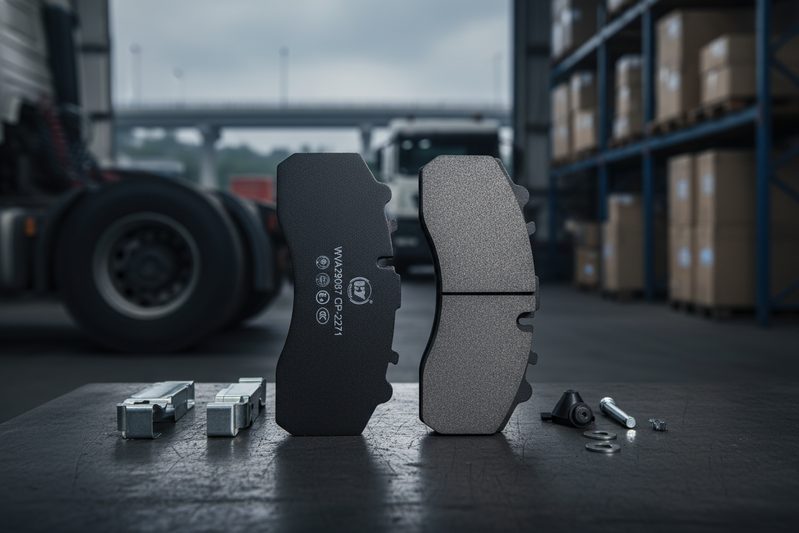
Distributors who lock in supply from a semi-metallic brake pads wholesale manufacturer that treats heat management as a core engineering challenge, not a marketing bullet, find they’re competing on something more durable than price. They’re selling a guarantee of performance that fleet managers and enthusiast buyers alike will pay a premium for—season after season.
This article was produced by the BAIYUN Brake editorial team, combining 49+ years of brake manufacturing expertise with current industry research. For product inquiries or technical questions, contact our team.
Ready to put these margins to work? Start with a direct conversation about your market and volume requirements. Request a wholesale quote tailored to your region, or download our product catalogue to see the full semi‑metallic range, including heavy‑duty commercial pads and high‑performance passenger car options. Our export team can provide friction‑test reports, packaging samples, and lead‑time schedules within 48 hours.
Was this article helpful?
Average Rating: 5/5 (1190)