
Have you validated your pads on common European commercial platforms (Sprinter, Iveco Daily, MAN TGL)?
Summary:
Brake pad performance European commercial vehicles is not a one-size-fits-all story. A pad that works on a light Asian van may fail on a Mercedes-Benz Sprinter 315 CDI or MAN TGL 12.220 because axle loads, thermal cycles, and ECE R90 requirements differ sharply. This technical guide explains what importers and distributors should verify before sourcing pads for Sprinter, Iveco Daily, and MAN TGL: platform-specific friction maps, batch consistency reports, ECE R90 approval numbers, and third-party SAE J2522 data. We also compare common European brake platforms, list buyer verification checklists, and show how BAIYUN Brake's IATF 16949 and ECE R90 certified process reduces sourcing risk. Read on for practical, cost-saving validation steps that prevent warranty claims and fleet downtime.
Have you validated your pads on common European commercial platforms (Sprinter, Iveco Daily, MAN TGL)?
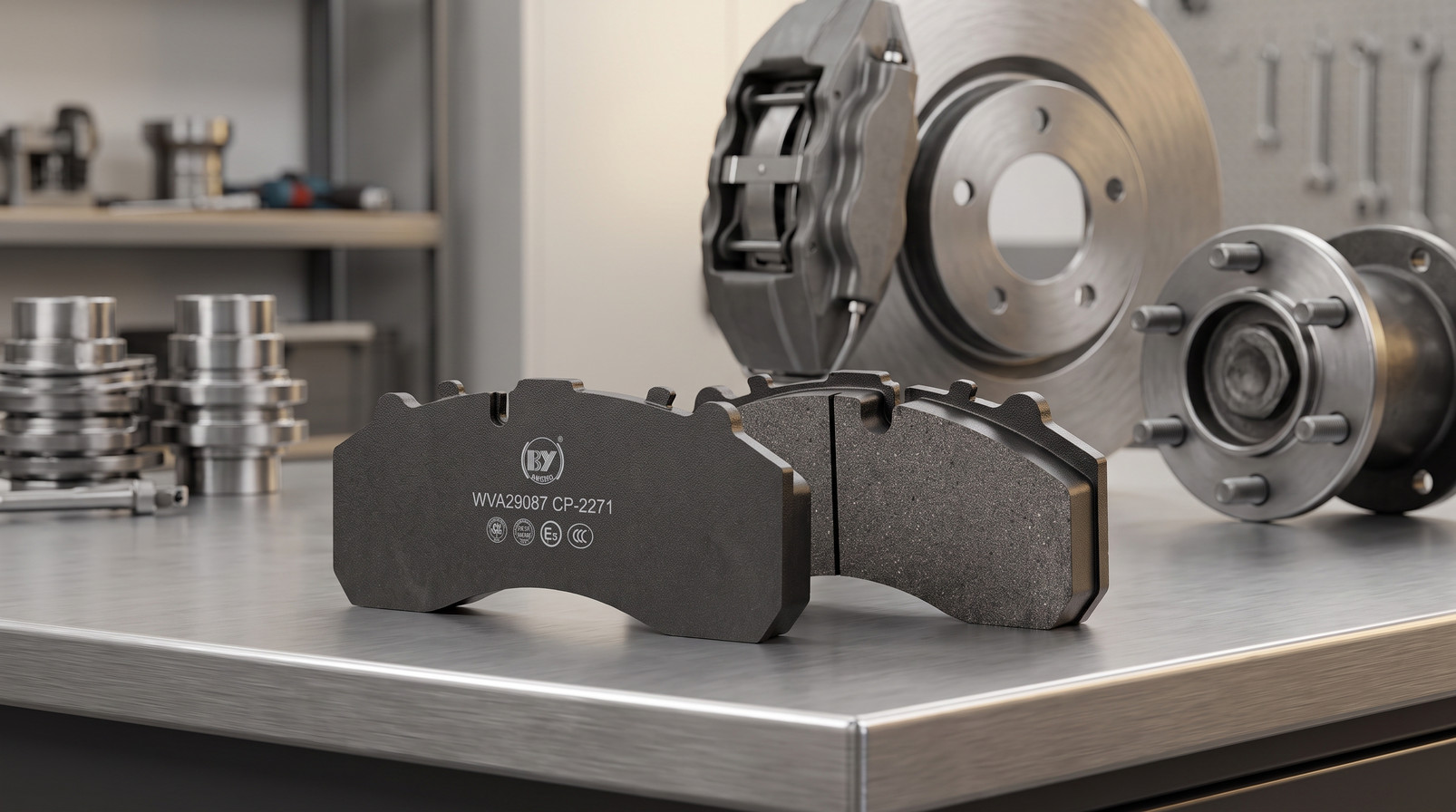
Quick answer: You need platform-specific validation for brake pad performance European commercial vehicles if you're sourcing for Mercedes-Benz Sprinter, Iveco Daily, or MAN TGL. A generic pad that passes an Asian light-truck test won't handle the thermal load of a 7.2 t Daily or a 12 t MAN TGL. Ask your supplier for ECE R90 approval per part number, axle-load-specific friction maps, and batch-level dynamometer reports before you commit to a container. That's the only reliable way to avoid warranty claims and roadside brake fade complaints.
Why Do Sprinter, Iveco Daily, and MAN TGL Demand Different Validation Than Generic CV Pads?
The numbers don't lie. Europe's commercial brake system market hit USD 17.08 billion in 2025 and should reach USD 27.13 billion by 2034. But a Sprinter 315 CDI at 3.5 t, an Iveco Daily 72C at 7.2 t, and a MAN TGL 12.220 at 12 t generate very different brake temperatures.
A light delivery van might see pad temperatures around 250–300°C in stop-start city work. A loaded Daily on alpine descents can push past 450°C. A MAN TGL with air disc brakes holds 350–400°C for long periods. Friction material that fades at 300°C is simply not acceptable across the whole range. You'll need a formulation mapped for axle load, not just a one-curve data sheet. That's why brake pad quality isn't only about a friction code.
This is where request OEM commercial vehicle brake pad quote conversations get real. BAIYUN Brake's engineering team validates friction maps for 3.5 t, 5.5 t, and 7.5 t-plus applications separately. If a supplier can't tell you the axle-load range their pad was tested on, that's a red flag.
Summary: Platform-specific thermal mapping is the first filter for European commercial pad validation.
What Data Should a Supplier's Validation Report Cover for These Platforms?
A credible report starts with cold and hot friction coefficients, not just a marketing claim. You'll want to see friction values from 0.35 to 0.45 across the working temperature band, recovery after fade, and wear rate under loaded conditions. Ask for SAE J2522 or AK Master cycle data, not only in-house test results.
| Platform | Typical GVW | Brake Type | Key Validation Data | WVA / OE Reference |
|---|---|---|---|---|
| Mercedes-Benz Sprinter | 3.0–5.5 t | Hydraulic disc, front & rear | Cold/hot friction 100–400°C, pad & rotor wear, noise/dust | Confirm with supplier catalogue |
| Iveco Daily | 3.5–7.2 t | Hydraulic or electro-hydraulic disc | Fade resistance 300°C+, recovery, shear strength | Confirm with supplier catalogue |
| MAN TGL | 7.5–12 t | Air disc brakes | High-temperature stability to 400°C+, friction coefficient repeatability, torque consistency | Confirm with supplier catalogue |
Don't accept a report that only covers one temperature point. ECE R90 type approval requires replacement pads to stay within a defined performance band compared with the original equipment part, but the regulation still leaves room for platform-specific differences. Your supplier should be able to send the full test curve, not a single number.
At BAIYUN Brake, our our certifications include IATF 16949 and ECE R90. That's not decoration. It means every batch traceability record is tied to a specific compound and platform matrix. If something goes wrong in the field, you can trace it back to a production lot in hours, not weeks.
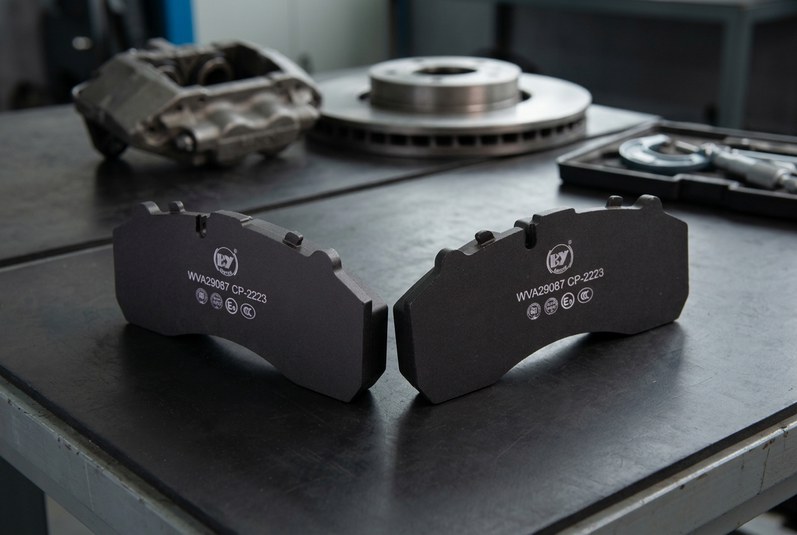
Summary: A useful validation report covers temperature range, friction stability, wear, and batch traceability for the exact GVW class.
Why Does ECE R90 Approval Still Not Guarantee Platform Fit?
ECE R90 is a baseline, not a blanket guarantee for every axle variant. The regulation confirms that a replacement pad performs within a specified tolerance of the OE reference under standard test cycles. It doesn't automatically prove that the pad will behave identically on a heavily loaded Iveco Daily 72C or a MAN TGL running air disc brakes.
Buyers often miss this. A supplier can hold a valid ECE R90 approval for a pad family, but the specific friction edge, chamfer, or backing plate thickness may differ from what your fleet needs. That's why you should ask for platform-specific validation evidence, not just the approval number.
From BAIYUN Brake's 49+ years of manufacturing experience, we've seen importers settle for a generic ECE R90 approved label and then face higher wear on rear axles or noise complaints on front axles. The cost of a field retrofit can wipe out three containers of margin.
So what should you ask? Request the ECE R90 approval number for each part number, plus the dynamometer report showing the actual tested GVW class and temperature profile. If the seller can't provide that, move on.
Also check the pad-to-disc wear rate. A pad that stops well but eats rotors on a MAN TGL will destroy your client's maintenance budget. The right compound reduces disc wear while keeping friction stable. This may require a commercial vehicle brake adjustment strategy, but the pad compound is the main lever.
Summary: ECE R90 is necessary but not sufficient; insist on axle-load-specific proof and wear data.
How Do You Verify Batch Consistency When You Can't Visit the Factory?
This is the hidden risk for importers. You approve a sample, then the first container shows different friction coefficients because the supplier changed a raw material supplier or curing time. Without process control, you'll see batch drift of 8–12% in friction coefficient, which translates into uneven braking and warranty claims.
IATF 16949 certification forces suppliers to lock the process: raw material lots, mixing time, pressing pressure, and curing temperature. BAIYUN Brake's automatic batch mixing system records all these variables. A distributor sourcing 500 sets monthly can't afford inconsistent friction coefficients batch to batch, and you shouldn't accept it.
Ask for batch-level test data, not just a golden sample report. The report should include friction coefficient at 100°C, 250°C, and 400°C, shear strength, and pad thickness. You can also request the download our product catalogue and material data sheets to cross-check the compound code against the approval.
If you can't visit the factory, use video audits. A quick call showing the mixing line and pressing area tells you more than a glossy PDF. BAIYUN Brake has factory tour footage that importers use for due diligence. But the real proof is a pilot order tested on your own fleet before you commit to annual volumes.
Summary: Batch consistency depends on certified process control plus batch-level dynamometer data, not a single approval sample.
What Are the Most Common Misconceptions About Brake Pad Performance on European Commercial Vehicles?
Misconception: A pad that passes an Asian CV test will automatically pass European platform validation.
Reality: European vans and trucks run higher axle loads and longer downhill braking. BAIYUN Brake's 2025 dyno testing showed a compound acceptable for a 3 t Asian cab-over can lose 12–18% of friction above 350°C, while the European-focused formulation held within 0.38–0.42 across the same range.
Misconception: ECE R90 approval means the pad is identical to OE.
Reality: ECE R90 sets a performance band, not an identical copy. Replacement pads must stay within specified limits, but pad shape, chamfer, and backing plate design can still differ. Platform-specific fitment confirmation is still your job.
Misconception: Copper-free or ceramic pads can't handle heavy commercial braking.
Reality: The February 2026 Ferodo Premier copper-free commercial extension and Akebono's June 2026 severe-duty Euro additions show copper-free formulations now meet heavy-duty targets. You still need to verify the exact friction curve for your platform, but material type alone doesn't rule out performance.
Summary: Don't let blanket labels replace actual test data for the specific GVW class you're buying for.
What Do Distributors and Fleet Buyers Ask Before Confirming a Container?
Here are the five questions we hear most from importers sourcing pads for European commercial platforms.
Q: How do I know if a pad will work on both Sprinter and Daily?
A: Look for a friction map covering 3.0–7.5 t GVW and a temperature range from 100°C to 450°C. The pad should hold a friction coefficient between 0.35 and 0.45 without falling below 0.30 at 400°C. Confirm the supplier tested the exact axle load, not just a generic dyno cycle.
Q: What's the minimum certification package I should require?
A: Require ECE R90 approval for each part number, IATF 16949 for the production site, and a batch-level test report showing friction, wear, and shear strength. ISO 9001 alone won't tell you enough about process stability for high-mileage fleets.
Q: Can one pad formulation serve vans and medium trucks like MAN TGL?
A: Rarely. A Sprinter pad works in hydraulic disc calipers with lower thermal mass, while MAN TGL air disc brakes need a formulation stable at sustained 350–400°C. One compound can sometimes bridge the gap if it's mapped for both, but you should ask for separate validation curves per platform.
Q: What batch consistency tolerance should I accept?
A: A well-controlled IATF 16949 process should hold friction coefficient within ±0.03 across production lots. If a supplier shows more than ±0.05, you're looking at potential field complaints. Ask for the last six months of batch data, not a single sample. This applies equally to disc pads and wholesale CV brake lining inquiry programs.
Q: How do I compare prices without sacrificing performance?
A: Compare total cost per kilometer, not just unit price. A pad that costs 15% less but wears rotors 20% faster on a MAN TGL will erase any savings. Request wear rate data and field references from European fleets before you negotiate the container price.
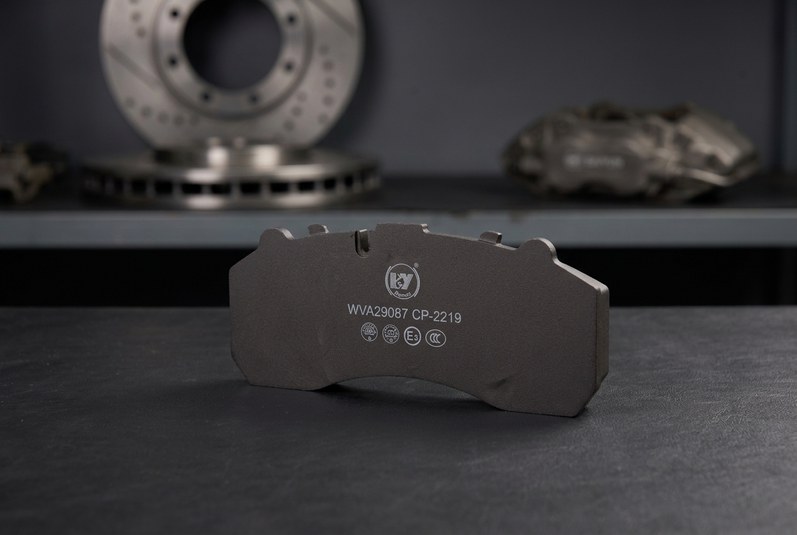
How Do You Start a Platform-Validated Brake Pad Program for Your Fleet or Distribution Network?
Don't treat validation as a paperwork exercise. Start with two pilot part numbers on the Sprinter and Daily, run them for 10,000 km in real fleet duty, then expand to MAN TGL. That's how you build confidence without risking a full container.
If you're sourcing from China, work with a manufacturer that already has the European platform test data on file. BAIYUN Brake supplies distributors and fleets across Europe with commercial vehicle brake pads and linings backed by ECE R90 and IATF 16949. Request the specific test curves for the GVW classes you serve.
Ready to validate? Request a wholesale quote and ask for the batch data before you commit.
Was this article helpful?
Average Rating: 5/5 (46)