
Full Brake & Rotor Replacement Quote fair? – Reddit: Practical B2B Guide
Summary:
Full Brake & Rotor Replacement Quote fair? - Reddit is a question that matters differently for fleet buyers than for online forum posters. In this B2B guide, BAIYUN Brake explains how importers, distributors, and maintenance teams should evaluate full brake and rotor replacement quotes for commercial vehicles. We break down the quote line items, certification requirements like IATF 16949 and ECE R90, WVA reference checks, and pricing benchmarks for heavy-duty truck and bus axles. You'll learn why a fair quote isn't the lowest price, how to verify friction material batch data, and which red flags filter out unqualified suppliers. We also include a buyer verification checklist and five FAQ answers that target wholesale sourcing teams. Whether you're comparing quotes from three suppliers or negotiating direct manufacturer terms, this article gives you the practical framework to avoid overpaying for undocumented brake parts. Request a wholesale quote from BAIYUN Brake to benchmark your next order.
Full Brake & Rotor Replacement Quote fair? - Reddit: Practical B2B Guide
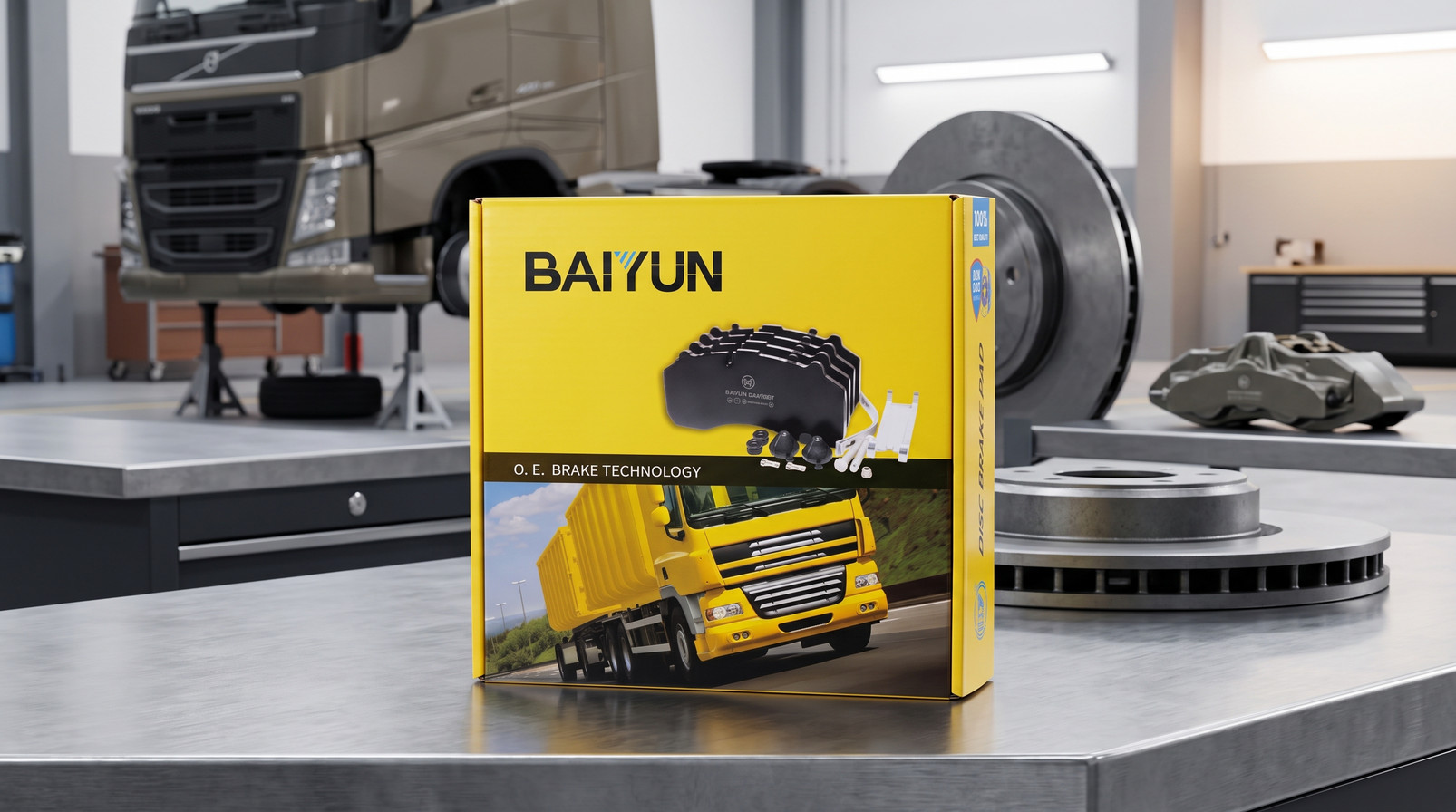
Quick answer: For commercial fleets, a full brake and rotor replacement quote is fair only when it reflects certified friction material, WVA-matched pads or linings, and a documented per-axle labor estimate. Heavy-duty truck and bus axle jobs typically run $1,200 to $2,800 per axle depending on OEM versus aftermarket parts, drum versus disc, and regional labor rates. Fleet buyers shouldn't benchmark against ad hoc forum quotes; commercial brake work involves different duty cycles, certification requirements, and wear life calculations. Always verify ECE R90 compliance, IATF 16949 production controls, and batch-level friction data before signing off.
Why Do Commercial Brake and Rotor Replacement Quotes Vary by 40% or More?
A fleet manager in Atlanta told me last month he received three quotes for the same Freightliner M2 brake job: $980, $1,450, and $1,770 per axle. Same axle, same labor hour estimate. What changed? The friction material sourcing.
Distributors and maintenance teams often see quotes swing because of four factors: whether the brake pads or linings come from an IATF 16949 certified facility, whether the rotors are machined to OE tolerance or aftermarket blanks, whether the quote includes WVA reference documentation, and whether logistics costs are bundled. Frankly, a cheap quote that skips certification paperwork isn't really cheaper once you factor in premature wear or roadside breakdowns.
Heavy-duty brake friction accounts for roughly 55–65% of a commercial vehicle's total brake maintenance spend over a 500,000 km life cycle, according to fleet maintenance cost studies. So a 15% lower pad price can wipe out its savings with one unscheduled brake reline at 80,000 km instead of 120,000 km.
What Should a Fair Full Brake & Rotor Quote Include for a Fleet Buyer?
Most quotes you'll see from brake suppliers or service providers bundle line items without explaining what you're actually paying for. As a sourcing buyer, you need to separate three buckets: parts, labor, and compliance documentation.
Here's a practical breakdown for a typical commercial truck steer axle disc brake job:
| Quote Line Item | What to Verify | Typical Range (Per Axle) |
|---|---|---|
| Brake pads or linings | ECE R90 approval, WVA reference, friction code, batch test report | $180 – $420 |
| Rotors or drums | Material grade (HT250 or equivalent), minimum thickness marking, supplier mill cert | $300 – $700 |
| Labor & hardware kit | Flat-rate hours, caliper slide pin/guide bolt replacement, wear sensor labor | $250 – $550 |
| Compliance & logistics | Packing list, certificate of conformity, import duties if applicable | $70 – $180 |
If a supplier can't show the WVA reference or ECE R90 test number, that's a red flag regardless of price. The quote might look fair on paper but expose you to liability if a trailer is inspected on the road.
For sourcing decisions, start by comparing against a catalogue that gives you the WVA number and friction class. You can browse our heavy-duty brake pad range to see what full documentation should look like.
How Do IATF 16949 and ECE R90 Certifications Change the Quote Math?
Here's the part many online quote threads miss: a fair price isn't the lowest price. It's the lowest price that still meets the regulatory and warranty standards your fleet needs.
ECE R90 certification means the replacement brake friction material has been tested against a reference OE pad or lining for cold and hot performance, speed sensitivity, and lining integrity. For a commercial brake pad, that test series includes repeated stops from 60 km/h and 100 km/h, with temperature stabilization checks. Pads that pass this homologation can show an R90 approval number on the backing plate. No number, no legal fitment in many EU and UNECE markets.
IATF 16949 is a manufacturing process certification. It doesn't test the pad itself, but it tells you the factory has statistical process control, lot traceability, and documented corrective actions. When a distributor sources 2,000 brake pad sets per quarter, a single non-conforming batch from an uncertified plant can trigger a recall. That cost dwarfs any upfront quote difference. We've seen importers lose 3–5 months of margin over one failed incoming inspection because the supplier couldn't trace raw material lot numbers.
What Does WVA Reference Mean When Comparing Brake Quotes?
WVA numbering is the closest thing the brake aftermarket has to a universal language. A WVA number like 29087 identifies a specific friction shape, drilling pattern, and accessory configuration. Two suppliers can quote you a pad that fits a Volvo FH or a BPW axle, but if the WVA references don't match, the pad might not interchange without grinding or shim modification.
Many quote sheets for commercial vehicles list only an OE number or a generic description. That makes apples-to-apples comparison nearly impossible. For any full brake and rotor replacement estimate, ask the supplier to confirm the WVA reference against your existing part. If the supplier can't confirm, write exactly: Confirm with supplier catalogue. That's your cue to keep looking.
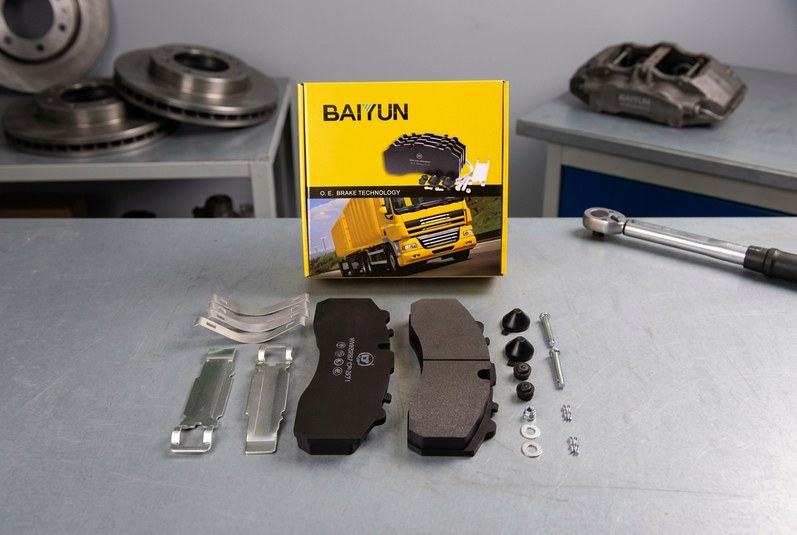
We include the WVA reference on all commercial vehicle brake linings and pads sold by BAIYUN Brake, along with the friction coefficient range and backing plate finish. That level of product data isn't optional for fleet buyers who need to pre-clear parts for multiple vehicle platforms.
Need a quote for linings? Request a quote for commercial vehicle brake linings and ask for the WVA reference in your inquiry.
Running a Buyer Verification Checklist Before You Accept Any Quote
You don't need a lab to spot a weak brake quote. You need a checklist. Here's what my team uses when we shortlist suppliers for a tender:
- Ask for the ECE R90 approval number and the test report reference for the exact pad or lining part number.
- Confirm the WVA reference matches the existing part or OEM drawing.
- Request the IATF 16949 certificate and the latest audit report. Check expiry date.
- Get batch-level friction coefficient data: cold, normal, and hot performance. Acceptable commercial pad range is typically μ 0.35–0.48 depending on formulation.
- Ask for the rotor or drum material specification, minimum thickness, and supplier mill certificate.
- Verify packaging and palletization for export. Moisture-barrier wrapping matters for sea freight.
- Get a written lead time and minimum order quantity. A quote without logistics terms isn't a quote.
That checklist alone filters out about 30% of unqualified suppliers we see on trade platforms, because most can't produce batch test reports or WVA documentation. For a deeper look at how maintenance costs stack up, see our brake maintenance cost analysis.
What Pricing Benchmarks Should Fleet Buyers Use for Heavy-Duty Brake Jobs?
Market data from commercial fleet tenders in North America and Europe shows a spread of $1,100 to $2,600 per axle for combined pad and rotor replacement on a Class 8 truck steer axle. Drum brake relines on trailer axles run lower, often $650 to $1,400 per axle, but they require more frequent inspection intervals.
For aftermarket friction supplied direct from a manufacturer like BAIYUN Brake, the friction material itself typically represents 18–30% of the total quoted job cost. The rest is labor, rotors, and compliance. That's why a distributor can capture better margin by sourcing pads and linings directly from an audited factory rather than through a third-party wholesaler.
Ask yourself: Does the quote include rotor replacement as a mandatory line item even if the rotor still has 2 mm above minimum thickness? Some service providers push rotor swaps because it's easier than measuring. Fair quote should separate rotor condition from pad replacement.
What Are the Most Common Misconceptions About Full Brake & Rotor Quotes?
Online forums don't often capture commercial vehicle reality. Three myths keep circulating:
Misconception: A lower parts quote means a fairer overall price. Reality: Fleet TCO studies show that friction material quality drives 65–70% of total brake maintenance cost over a vehicle lifetime. An uncertified pad might save $40 per set but wear out 30% faster and damage rotors.
Misconception: Rotors must be replaced every time pads are replaced. Reality: On commercial vehicles, rotors can often be machined once if they stay above minimum thickness. Replacing them unnecessarily adds $300–$700 per axle to a quote and shouldn't be accepted without measurements.
Misconception: ECE R90 is unnecessary for aftermarket commercial applications. Reality: ECE R90 applies to replacement brake linings for many vehicle categories, including commercial trucks and trailers. If your market requires UNECE compliance, an R90-marked pad is non-negotiable.
How Can Distributors and Importers Use This Quote Data to Negotiate Better Terms?
You have more leverage than you think. When a supplier quotes you a full brake and rotor job or a bulk friction order, don't just ask for a discount. Ask for the evidence behind the price. That shifts the conversation from haggling to qualification.
For example, request the commercial vehicle brake pad test report. If the supplier hesitates, walk. If they provide it, compare friction coefficient stability across temperature bands. A steady μ of 0.38–0.42 from 100°C to 350°C is what you want to see for highway line-haul trucks. Big deviations signal inconsistent compounding.
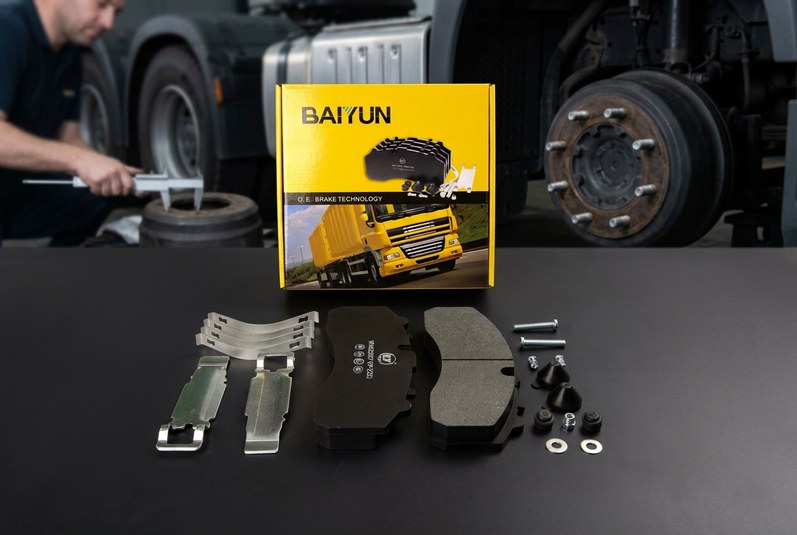
BAIYUN Brake has spent 49+ years manufacturing friction for trucks, buses, and trailers. Our export team works with distributors in 60+ countries, and we provide the documentation that fleet buyers actually need: batch test reports, WVA cross-references, and packaging specs for ocean freight. That's the kind of partner you want when a quote fairness question turns into a warranty claim.
Frequently Asked Questions for Fleet Buyers and Distributors
Here are the questions we get most from international sourcing teams evaluating commercial brake quotes.
Q: How do I verify that a full brake and rotor replacement quote is fair for a commercial truck fleet?
A: Start by requesting the part-level documentation for the quoted pads and rotors. A fair quote includes the WVA reference, ECE R90 test report, and batch friction data. For heavy-duty axles, total per-axle costs between $1,200 and $2,600 are typical when using certified aftermarket friction and matched rotors, but you should always compare three suppliers before committing.
Q: What is the most common hidden cost in commercial brake quotes?
A: Missing rotor or drum metallurgy data. If a quote lists a rotor with no material grade or minimum thickness spec, you're likely paying for a lower-grade blank that can crack or warp under thermal cycling. Always ask for the mill certificate and compare against the OEM spec.
Q: Does ECE R90 certification really matter for aftermarket truck brake pads?
A: Yes, in many export markets ECE R90 homologation is a legal requirement for replacement friction. The test ensures the pad performs within 15% of the reference OE pad across cold and hot stop performance. Without that approval number, your shipment can be rejected at customs or fail a roadside inspection.
Q: Can I source commercial brake pads and rotors directly from a manufacturer to get a fairer quote?
A: Direct sourcing from an IATF 16949 certified factory often reduces friction material cost by 12–20% compared with buying through regional wholesalers. However, you need to manage MOQ, lead time, and import logistics. BAIYUN Brake supports mixed-container orders and provides full export documentation, which helps distributors capture the savings without the paperwork burden.
Q: How often should a fleet replace rotors versus just pads?
A: On commercial vehicles, rotors should be measured at every pad change. If thickness remains 1.5–2 mm above the manufacturer's minimum, the rotor can often be machined once. But if the rotor has hard spots, cracks, or heat checking, replacement is the only safe option. A fair quote will separate the two decisions and show you the measurements, not just a line item.
Get a Quote That Actually Holds Up
Fairness isn't about matching the lowest forum number. It's about matching the right documentation, WVA reference, and batch performance to your fleet's duty cycle. If you're importing commercial brake pads or linings, you need a supplier that treats compliance as a baseline, not an upgrade.
Start by reviewing our commercial vehicle brake linings catalogue and then request a wholesale quote from our export team. We'll respond with pricing, MOQ, lead time, and the technical documents you need to benchmark any quote fairly. No vague forum math, just factory data.
Was this article helpful?
Average Rating: 5/5 (95)