For the US Market, Do I Need FMVSS 135 Testing, AMECA Listing, or Both? Practical Differences for Aftermarket Pads
Summary:
FMVSS 135 vs AMECA requirements: US aftermarket brake pad importers usually need AMECA listing as practical proof of FMVSS performance compliance, not standalone FMVSS 135 component testing. FMVSS 135 applies to vehicle-level brake systems up to 10,000 lb GVWR, while heavy-duty commercial vehicles fall under FMVSS 121. This technical guide covers testing scope, AMECA listing fees, realistic timelines, common misconceptions, and a buyer verification checklist for distributors sourcing from China. BAIYUN Brake, an IATF 16949 and ECE R90 certified manufacturer, explains how to reduce sourcing risk, avoid duplicate state-level testing, and build US market confidence. Practical data points include $2,000–$5,000 listing fees, 8–14 week total lead times, and friction coefficient stability within ±15% under SAE J2522 or ISO 26867. For importers, the real question is documentation alignment: medium-duty vehicles under 10,000 lb may reference FMVSS 135, while heavy trucks and buses need FMVSS 121.
For the US Market, Do I Need FMVSS 135 Testing, AMECA Listing, or Both? Practical Differences for Aftermarket Pads
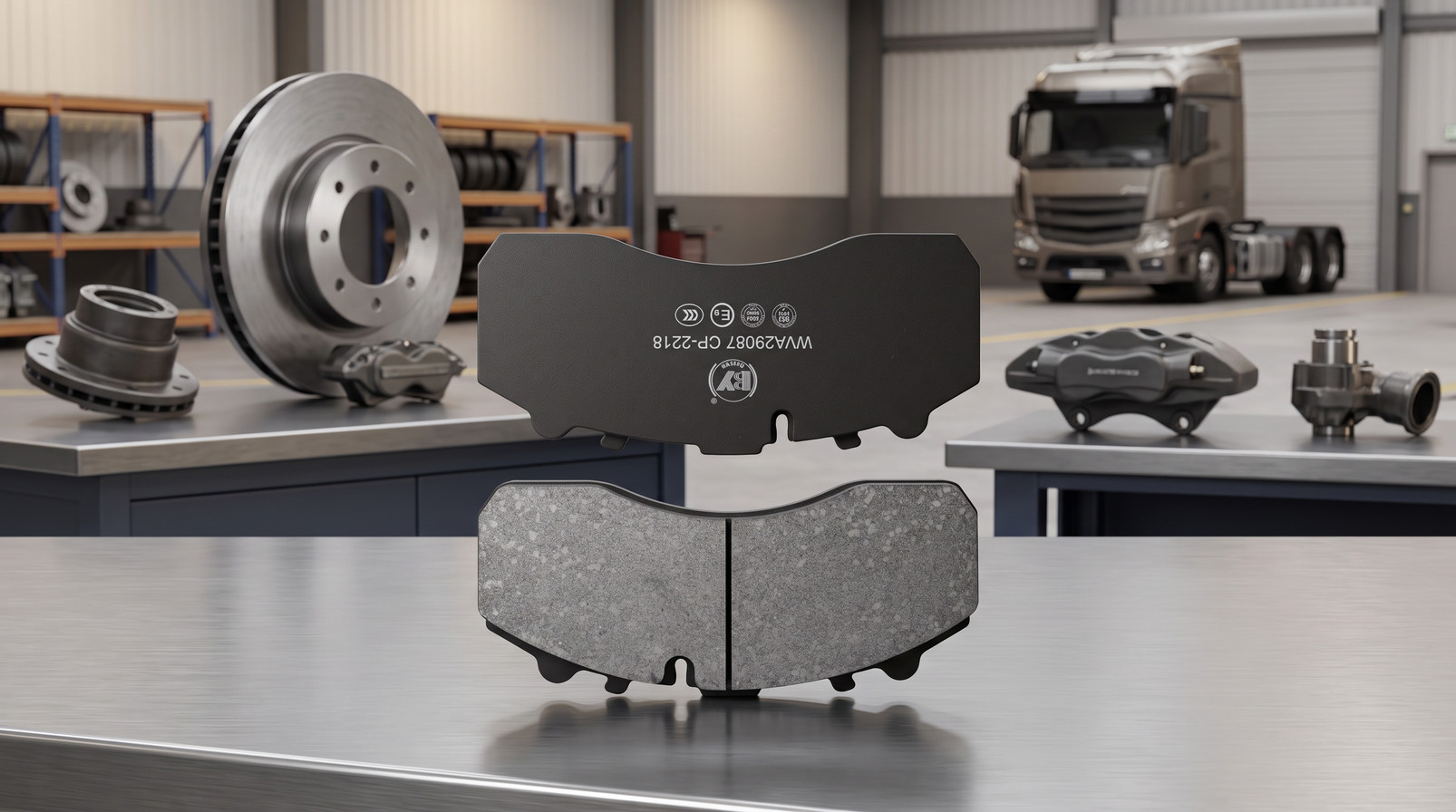
Quick answer: If you're importing aftermarket brake pads into the US, plan on AMECA listing to document FMVSS compliance. FMVSS 135 applies to vehicle-level brake systems up to 10,000 lb GVWR, not as a standalone component test you pass directly. Heavy-duty commercial vehicle brake pads follow FMVSS 121 instead. AMECA listing is the practical verification pathway most distributors and state regulators recognize. Budget 6–10 weeks for friction testing and listing review. Confirm your vehicle class before quoting.
What Exactly Is FMVSS 135, and Which Commercial Vehicles Does It Cover?
FMVSS 135 is Federal Motor Vehicle Safety Standard No. 135, which sets performance requirements for brake systems on vehicles with a gross vehicle weight rating up to 10,000 pounds (4,536 kg).
That includes some light-duty commercial vehicles such as Class 1 and Class 2 trucks and buses. The standard covers service brake stopping distance, fade resistance, parking brake hold, and warning system behavior. In 2026, NHTSA proposed updates to FMVSS 135 to accommodate automated driving systems without manual pedals, but the stopping distance performance requirements remain unchanged for conventional vehicles.
Summary: FMVSS 135 is a vehicle system standard, not a pad-level approval.
What Is AMECA Listing, and How Does It Differ from FMVSS 135 Testing?
AMECA is the Automotive Manufacturers Equipment Compliance Agency. It doesn't create new federal standards; it maintains a recognized listing program that verifies brake friction materials meet the applicable FMVSS performance requirements.
The practical difference is simple: FMVSS 135 defines what the vehicle must do. AMECA listing documents that your pad formulation has been tested and is suitable for that vehicle application. Distributors, fleets, and state regulators often accept an AMECA listing number as evidence of compliance without retesting each batch.
| Factor | FMVSS 135 | AMECA Listing |
|---|---|---|
| What it is | Federal vehicle brake system performance standard | Third-party compliance listing for brake friction materials |
| Applies to | Light trucks and buses up to 10,000 lb GVWR | Aftermarket pads and linings sold for covered vehicles |
| Do you submit it? | Vehicle manufacturer certifies vehicle-level compliance | Friction material supplier submits test reports to AMECA |
| Typical test scope | Stopping distance, fade, parking brake, warning system | Friction coefficient, wear, thermal stability, SAE J2522 or ISO 26867 |
| Practical impact for importers | Guides vehicle class applicability | Acts as market access evidence for distributors |
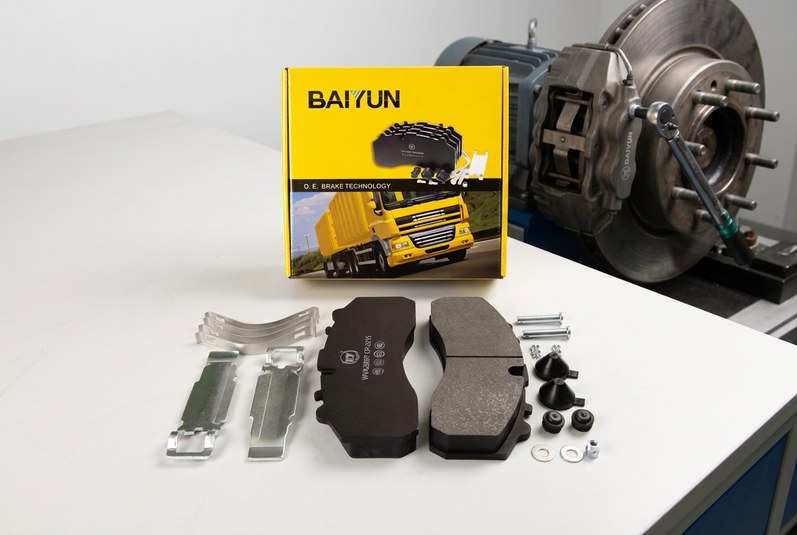
Summary: AMECA listing is the market-access document; FMVSS 135 is the underlying performance spec.
For Heavy-Duty Commercial Vehicle Brake Pads, Is FMVSS 135 Even the Right Standard?
Most heavy-duty trucks, buses, and trailers do not fall under FMVSS 135. They are covered by FMVSS 121, the federal air brake standard for vehicles over 10,000 lb GVWR.
FMVSS 121 sets dynamometer performance, stopping distance, and parking brake requirements, including the requirement that a parked commercial vehicle hold on a 20% grade. If you are sourcing wholesale CV brake pads inquiry or request a quote for commercial vehicle brake linings, start by confirming the vehicle class. Medium-duty vehicles under 10,000 lb may need FMVSS 135-based documentation; heavy-duty vehicles need FMVSS 121 and AMECA listing under that standard.
Summary: The correct US standard depends on GVWR, not on the words commercial vehicle.
What Does the AMECA Listing Process Actually Cost and How Long Does It Take?
AMECA listing fees for a brake pad product family typically run $2,000–$5,000, depending on the number of formulations and test schedules. Full friction testing to SAE J2522, ISO 26867, or FMVSS-specified procedures usually adds another $3,000–$8,000 per formulation.
Timeline matters as much as cost. Plan on 6–10 weeks for lab testing, followed by 2–4 weeks for AMECA review after the lab reports are complete. That total 8–14 week window catches many first-time importers off guard. IATF 16949 certified facility documentation can shorten the review cycle because the supplier already has process control evidence.
Summary: Budget $5,000–$13,000 and 8–14 weeks per product family before you can ship with a complete US compliance file.
How Does BAIYUN Brake Help Importers Navigate FMVSS 135 and AMECA Verification?
BAIYUN Brake, a China brake manufacturer with 49+ years of friction material experience, pre-verifies pad performance in its own dynamometer lab using SAE J2522 and ISO 26867 protocols before any AMECA submission.
That pre-verification step matters for cost control. If a formulation drifts outside the required friction coefficient band of ±15% during thermal cycling, the batch is corrected before expensive third-party listing tests. ECE R90 approval is not a substitute for US documentation, but it does show that the same pad family already passed a regulated fade and friction stability regime. BAIYUN Brake's IATF 16949 quality system also requires process capability of Cpk ≥ 1.33 on brake pad special characteristics. See why choose BAIYUN Brake for the full sourcing evaluation points.
Summary: Pre-verification in a controlled dynamometer lab reduces AMECA retest risk and keeps import compliance costs predictable.
What Should You Put in Your US Import Verification Checklist?
Use this checklist before you pay for any US brake pad shipment. Each item protects you from customs delays and distributor rejections.
- Confirm vehicle GVWR class: under 10,000 lb means FMVSS 135, over 10,000 lb means FMVSS 121
- Request the pad supplier's AMECA listing number for your exact friction formulation
- Verify the listing covers your target vehicle application, not just a blanket material code
- Ask for the lab report to SAE J2522 or ISO 26867, showing friction coefficient stability within ±15%
- Confirm the testing lab holds ISO/IEC 17025 accreditation
- Check batch-to-batch process capability data, ideally Cpk ≥ 1.33 under IATF 16949
- Match packaging and label claims to the AMECA listing number and friction edge code
Summary: A verified AMECA listing plus an ISO/IEC 17025 lab report is the minimum documentation set for friction material compliance.
What Are the Most Common Misconceptions About FMVSS 135 and AMECA Requirements?
Misconception: FMVSS 135 is a component test that aftermarket brake pads must pass individually.
Reality: FMVSS 135 is a vehicle-level standard for brake systems up to 10,000 lb GVWR. Aftermarket pads are not directly certified to FMVSS 135; they are verified through AMECA listing or equivalent test documentation.
Misconception: AMECA listing is optional and rarely checked by US buyers.
Reality: Many US distributors and fleet operators reject uncertified friction materials. AMECA listing reduces the need for repeated state-level or distributor-level testing by up to 50%, which directly lowers your total compliance cost.
Misconception: ECE R90 approval from Europe automatically covers the US market.
Reality: ECE R90 and US friction standards use different test sequences and performance limits. A pad with ECE R90 certification still needs US-specific FMVSS-based documentation before AMECA listing.
Summary: FMVSS 135 and AMECA are complementary, not interchangeable, and ECE R90 alone will not unlock US market access.
What Are the Five Most Common FAQs About FMVSS 135 vs AMECA for Aftermarket Pads?
Q: Do I need FMVSS 135 testing or AMECA listing for aftermarket brake pads?
A: You need AMECA listing as the practical proof of compliance. FMVSS 135 is the vehicle-level performance standard for vehicles up to 10,000 lb GVWR, not a pad certificate. AMECA listing verifies that your friction material meets the applicable FMVSS requirements for the intended vehicle class.
Q: Does AMECA listing replace FMVSS 135 compliance?
A: Not exactly. AMECA listing documents that your pads support a vehicle's ability to meet FMVSS 135 or FMVSS 121. It is the accepted evidence, but the underlying performance requirement still comes from the FMVSS standard.
Q: Which standard applies to heavy-duty commercial vehicle brake pads?
A: Heavy-duty commercial vehicles over 10,000 lb GVWR follow FMVSS 121, not FMVSS 135. FMVSS 121 includes dynamometer and parking brake requirements, including a 20% grade hold test. AMECA listing is still used for commercial vehicle brake linings under FMVSS 121.
Q: How much does AMECA listing cost and how long does it take?
A: Listing fees typically run $2,000–$5,000 per product family, and full friction testing can add $3,000–$8,000. Total timeline is commonly 8–14 weeks from lab start to final listing.
Q: Will my Chinese brake pads pass US requirements if they are already ECE R90 certified?
A: ECE R90 certification is a strong baseline but not a substitute. You still need US-specific test reports to SAE J2522 or ISO 26867 and an AMECA listing for US market acceptance.
What Is the Practical Bottom Line for US Buyers Sourcing Chinese Brake Pads?
Don't overpay for the wrong documentation. If you're sourcing commercial vehicle brake pads for the US, confirm vehicle class first, then require an AMECA listing number that matches your exact friction formulation. FMVSS 135 may apply to lighter medium-duty vehicles, but most heavy commercial vehicles fall under FMVSS 121. The real cost risk isn't listing fees; it's container delays, distributor rejections, and retesting because the paperwork doesn't align with the vehicle class.
Before you finalize a supplier, request their AMECA listing status and ISO/IEC 17025 lab reports. That's the same verification BAIYUN Brake helps importers complete before shipping.
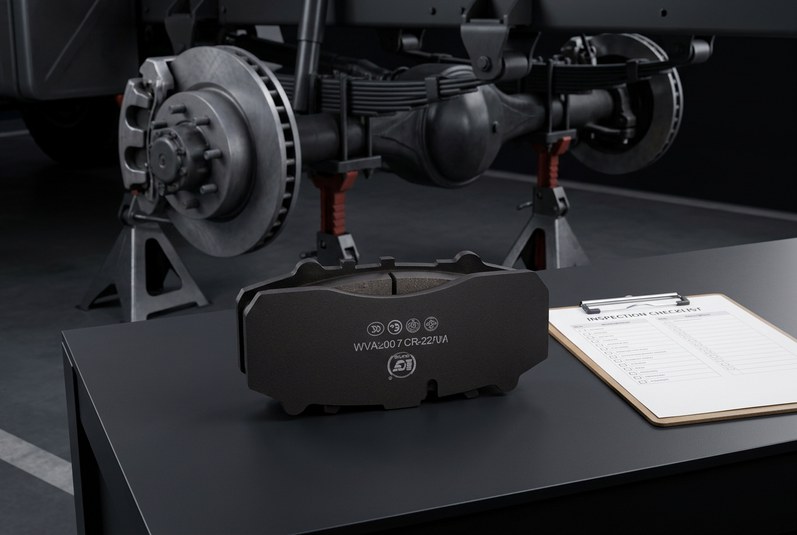
Ready to secure your US market compliance file? Get OEM commercial vehicle brake pad pricing or request a wholesale quote from our export team for current AMECA-listed formulations.
For manufacturer and company information, see About BAIYUN.
Was this article helpful?
Average Rating: 5/5 (227)