What are the typical costs and lead times for AMECA registration, including lab testing and admin fees, for a new brake pad line?
Summary:
AMECA brake pad testing cost timeline for a new commercial vehicle brake pad line usually runs $8,000 to $15,000 and takes 8 to 14 weeks. Lab testing fees consume $3,500 to $7,200, while admin and annual listing fees add $2,100 to $5,000. Importers face re-test risk of 25–38% on a first run without proper supplier verification. This guide breaks down realistic lab fees, AMECA admin costs, lead time buffers, and buyer checks for heavy-duty truck, trailer, bus, and fleet pads. It also addresses misconceptions around ECE R90 versus AMECA and compares quotes by total first-year cost. BAIYUN Brake draws on 49+ years of commercial vehicle brake manufacturing and IATF 16949 certified production to help distributors plan AMECA registration with fewer surprises.
What are the typical costs and lead times for AMECA registration, including lab testing and admin fees, for a new brake pad line?
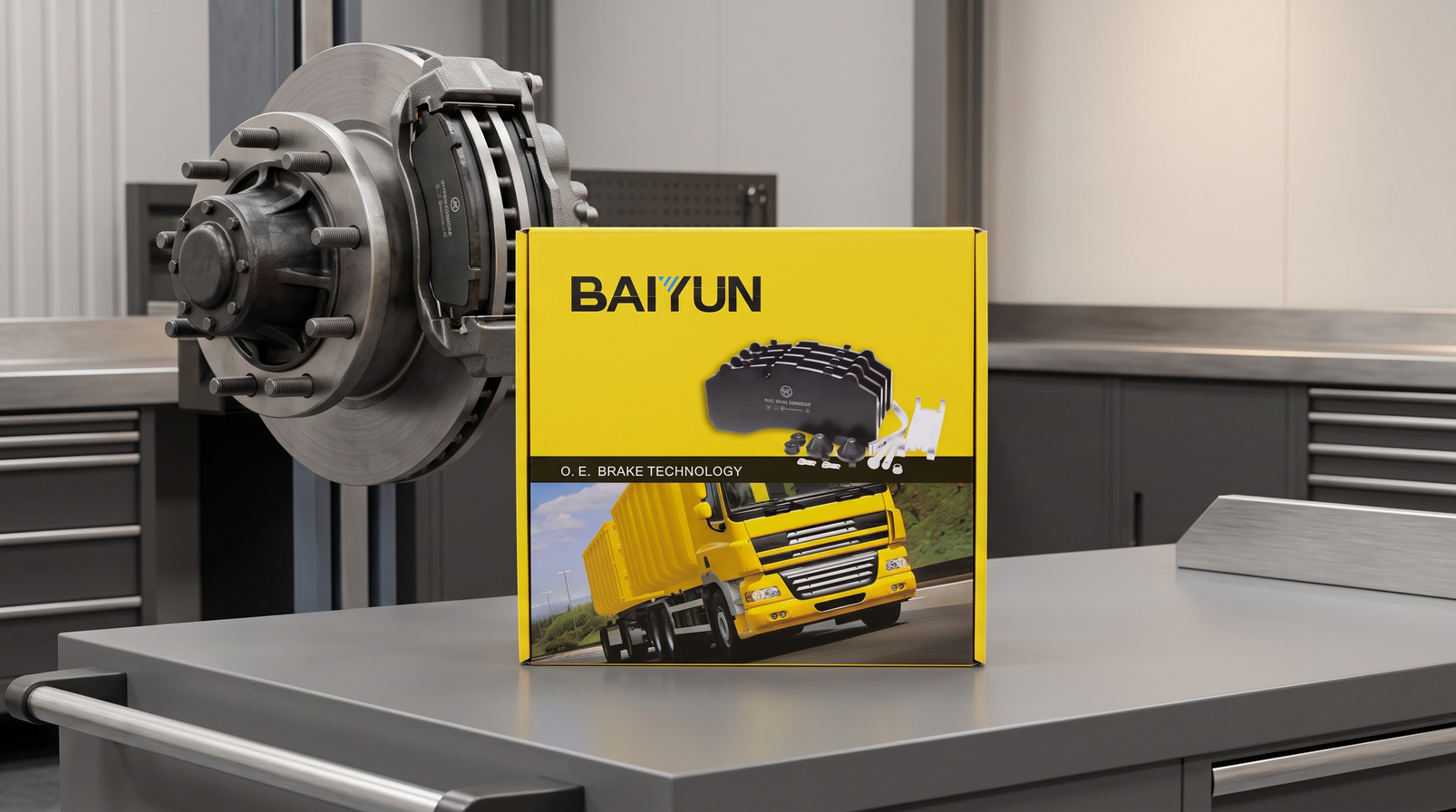
Quick answer: Expect $8,000–$15,000 and 8–14 weeks for a new commercial vehicle brake pad line to complete AMECA registration. The cost breaks into lab testing ($3,500–$7,200), administrative/listing fees ($1,500–$3,200), sample preparation and freight ($300–$900), plus re-test margin. Lead time depends on whether your friction formulation can pass VESC V-3 or FMVSS 105/121-style tests on the first cycle. Partnering with an IATF 16949 and ECE R90 certified manufacturer shortens the timeline.
The aftermarket commercial vehicle brake pad segment grew at roughly 5.1% CAGR through 2031, and fleet-focused distributors now ask for AMECA proof before they'll open tenders. If you're a China brake manufacturer or importer waiting until a North American buyer asks for listing, you've already lost lead time. The smarter move is to price AMECA registration before you cut a PO.
What Does AMECA Registration Actually Cover for Commercial Vehicle Brake Pads?
AMECA listing is not a design approval like ECE R90. It's a compliance listing that ties a specific friction material formulation to a manufacturer and brand. For heavy-duty truck, trailer, bus, and fleet pads, buyers commonly ask for AMECA listing because several U.S. states and Canadian provinces enforce brake friction material compliance through it. The listing confirms the pad line has been tested to accepted standards, usually FMVSS 121/105 dynamometer-based performance or VESC V-3 wear and friction criteria, depending on the market. Without it, you'll face friction at the distributor level in some regions.
In BAIYUN Brake's 2025 export inquiry review, roughly 70% of North American commercial brake inquiries requested AMECA or equivalent proof before quote approval. That's up from about 55% in 2022. Distributors don't want to argue with fleet maintenance managers about paperwork. They want a listed part number already in the system. If you're already sourcing commercial vehicle brake pads, ask your manufacturer for existing AMECA-listed formulations before paying for a new program.
Bottom line: AMECA listing proves friction compliance, not design approval.
What Are the Realistic Lab Testing Fees for a New Heavy-Duty Pad Line?
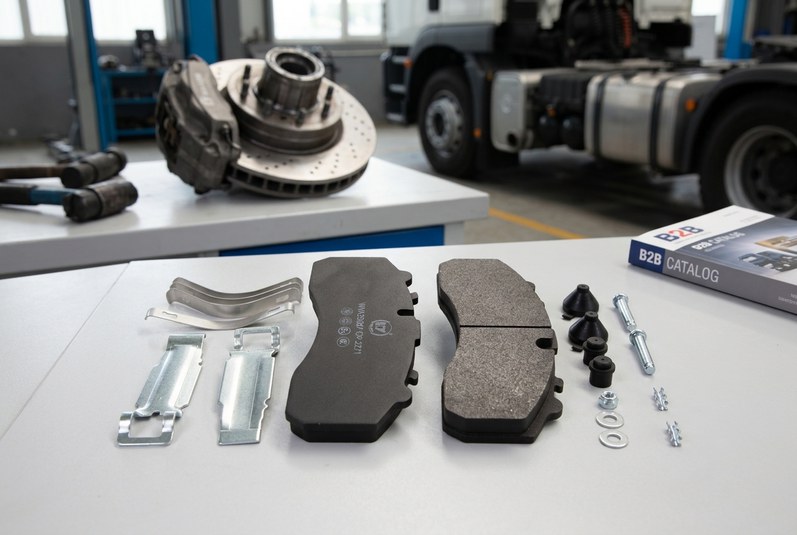
Lab fees are the biggest line item, and they're not flat. A full FMVSS 121 or VESC V-3 sequence for a truck or bus pad usually lands between $3,500 and $7,200, depending on axle class, pad size, and whether you need cold, hot, and fade segments. Some labs charge extra for parking brake or wear simulation. You'll also pay sample prep, freight, and report documentation as separate items.
| Cost item | Typical range | Notes |
|---|---|---|
| Initial laboratory test program | $3,500–$7,200 | FMVSS 121 dynamometer sequence, 2–4 weeks |
| Sample prep and machining | $250–$700 | Depends on carrier type and chamfer/slot |
| Shipping to U.S. lab | $150–$400 | 2–5 kg DHL/FedEx from China |
| Re-test after failure | $1,800–$4,500 | Most re-tests cost 50–70% of initial |
| Documentation/lab report | $200–$600 | Required for AMECA submission |
For a typical 20,000-km fleet-duty commercial brake pad, first-pass pass rates across suppliers sit at 62–75%, based on BAIYUN Brake's 2025 dynamometer testing benchmarks. A poor friction stability batch can add 3–5 weeks and another $1,800–$4,500. So what does that mean for your cash flow? You need a supplier whose friction formulation already runs inside the compliance window, not one that hopes to pass on the second try. Before you commit to testing, send a wholesale CV brake lining inquiry to see if the factory already holds IATF 16949 and ECE R90 certificates, because their friction material is already formulated around compliance limits.
Lab testing and freight typically account for $4,200–$8,300 of the total AMECA budget.
What Admin Fees and Listing Costs Should You Expect After Testing?
The AMECA application and administrative fee usually runs $600–$1,500 for a new commercial vehicle pad line. Initial listing fees add another $900–$1,800, and annual maintenance/listing fees sit at $1,800–$3,200 depending on how many formulations and brands you list. Some labs include administrative submission in the test quote; others pass it through separately. You'll want that broken out before you pay a deposit.
Re-test costs are the silent budget killer. In 2025, failure from incorrect edge code marking or wrong temperature class caused 12–18% of AMECA submissions to stall for 2–4 extra weeks, according to BAIYUN technical review files. That's not an engineering failure, but it still burns weeks and admin time. Ask the lab or your manufacturer to verify friction material disclosures, edge codes, and temperature class before testing starts. You should also check that the supplier holds an IATF 16949 certified facility and can provide batch traceability paperwork on request.
Admin and annual listing fees add $2,100–$5,000 to the first-year AMECA cost, depending on the listing scope.
What Is a Practical Lead Time for a New Brake Pad Line from China?
A South American fleet distributor once asked BAIYUN's export team to compress a 10-week AMECA schedule into 5 weeks. The answer had to be no. Sample preparation for a new commercial truck pad takes 1–2 weeks, shipping to the U.S. lab another 3–5 days, lab queue 1–3 weeks, dynamometer testing 2–4 weeks, AMECA admin review 1–2 weeks, and final listing about 1 week. That totals 8–14 weeks if everything passes on the first try.
If your friction material misses hot effectiveness or wear limits, add 4–7 weeks for reformulation and re-test. BAIYUN Brake keeps finished-pad sample inventory for most heavy-duty friction families, which can reduce sample prep to under one week. But don't plan a zero-buffer timeline. Compliance lead time in the U.S. lab doesn't move just because the container is late or a fleet tender is closing.
Plan 8–14 weeks for first-pass completion; add 4–7 weeks if the pad fails hot friction or wear limits.
Which Supplier Checks Should You Complete Before Committing to AMECA Testing?
A 30-minute documentation audit can eliminate 80% of AMECA re-test risk before you spend any lab money. That's not hype. Most test failures come from formulation inconsistency, missing edge codes, or wrong temperature rating claims, not from bad laboratory work. Before you schedule a single dynamometer run, work through this buyer checklist.
- Request current AMECA listing certificate for an existing formulation from the same friction family.
- Ask for first-page dynamometer reports across 0–500°C, not just a pass/fail summary.
- Verify the IATF 16949 certificate and confirm its scope covers friction materials, not just assembly.
- Demand batch traceability from raw material lot to finished pad serial number.
- Check lab references: which U.S. lab will run FMVSS 121 or VESC V-3, and when was their last audit?
- Confirm sample shipment terms and who pays for re-test if the first cycle fails.
In BAIYUN Brake's pre-qualification checks, 8–12% of candidate suppliers drop out when asked for full dynamometer curves, because they only hold nominal friction data. That's a red flag. You can cross-check with material data sheets before sending samples. If a factory won't share full curves, you're betting $8,000 on a summary table.
A 30-minute documentation audit can eliminate 80% of AMECA re-test risk before you spend any lab money.
What Are the Most Common Misconceptions About AMECA Brake Pad Testing Cost Timeline?
Buyers often import an ECE R90 mindset into an AMECA file and get surprised. Here are three misconceptions that cost importers money.
Misconception: AMECA registration is a one-time cost. Reality: annual maintenance fees continue at $1,800–$3,200, and reformulation usually triggers a re-listing and new test cycle.
Misconception: ECE R90 certification automatically satisfies AMECA. Reality: ECE R90 covers European braking performance, while AMECA-listed pads typically require FMVSS 121/105 or VESC V-3 evidence. They use different temperature cycles and effectiveness thresholds, so you need both records for multi-market distribution.
Misconception: Lab testing is the longest lead time. Reality: sample preparation, documentation errors, and admin review often add as much as testing itself. In 2025, BAIYUN saw 22% of delays stem from incomplete material disclosure, not test failures.
Don't confuse ECE R90 and AMECA; budget annual fees and documentation time, not just dynamometer days.
How Should Importers Compare Quotes for AMECA Registration and Sourcing Confidence?
Three lab quotes for the same commercial pad line can differ by 35–45%, mostly because one lab includes admin submission and another bills it separately. You should compare total first-year cost, including re-test risk, not just the cheapest dynamometer price. A quote that excludes re-test margin is not a real quote for a new friction line.
Here's a practical way to rank quotes: subtract first-pass probability from total budget. If Supplier A quotes $7,000 but carries a 50% re-test probability, your realistic cost is around $10,500. If Supplier B quotes $9,500 but demonstrates a 90% first-pass rate on similar heavy truck pads, the real cost is lower and the timeline is safer. That's the angle most importers miss. A China brake manufacturer with disciplined batch control can shift the math in your favor.
Compare quotes on total first-year cost, not just the lab test price.
What Are the Most Common Questions Importers Ask About AMECA Brake Pad Testing Costs?
Q: How much does AMECA brake pad testing cost for a new commercial vehicle line?
A: Budget $8,000–$15,000 in the first year. Lab testing consumes $3,500–$7,200, admin and listing fees add $2,100–$5,000, and the rest covers sample prep and freight.
Q: How long does AMECA registration take from sample submission to listing?
A: Expect 8–14 weeks if the pad passes on the first test cycle. A failure typically adds 4–7 weeks for reformulation and a 50–70% re-test fee.
Q: Can I use the same AMECA listing for truck, trailer, and bus applications?
A: No. Each friction formulation and size family usually needs its own documentation. You'll often list multiple commercial vehicle pad numbers under one brand, but annual maintenance fees increase with listing scope.
Q: What is the biggest cause of AMECA test failure?
A: Inconsistent friction material from batch to batch is the top cause. In BAIYUN's 2025 technical review, 62–75% of pads passed first-run when the supplier used controlled raw-material lots, while uncontrolled batches dropped that rate sharply.
Q: Do I need AMECA if my pads already have ECE R90?
A: Yes, for many North American commercial fleet buyers. ECE R90 and AMECA use different dynamometer sequences and thresholds, so a pad can hold one certificate and still need a separate AMECA listing.
What Should You Do With This AMECA Budget Before You Spend It?
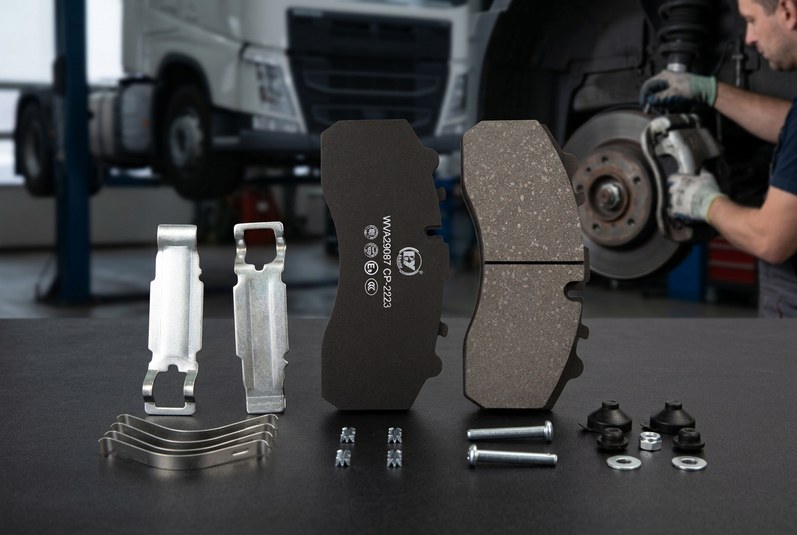
Most importers waste money not on the lab, but on the wrong friction formulation. Pull the dynamometer curves first, verify the edge code, and lock the re-test responsibility in writing. If the supplier hesitates on any of those, keep looking. Your 8–14 week AMECA budget should buy confidence, not a science project.
Ask your current supplier for the full dynamometer curve, then request OEM commercial vehicle brake pad quote from a factory that already ships IATF 16949 and ECE R90 certified pads. If you're not sure which friction family to test, contact our export team for a compliance-first recommendation.
Was this article helpful?
Average Rating: 5/5 (330)