
How to Effectively Extend the Life of Brake Pads: Habits, Maintenance, and Smart Choices
Summary:
Brake pad life depends on how you drive, how you maintain the system, and the quality of the pads. Smooth, anticipatory driving and engine braking reduce heat and wear; correct fitment, proper bedding, clean hardware, and healthy brake fluid keep friction stable; quality pads matched to your vehicle and duty cycle cut noise, dust, and rotor damage. Follow these steps to extend pad and rotor life and lower total ownership cost.
How to Effectively Extend the Life of Brake Pads
Brake pads are critical to safety and total ownership cost. You can meaningfully extend service life—and improve braking feel—by combining good driving habits, regular maintenance and inspection, quality pad selection, and a few supporting techniques.
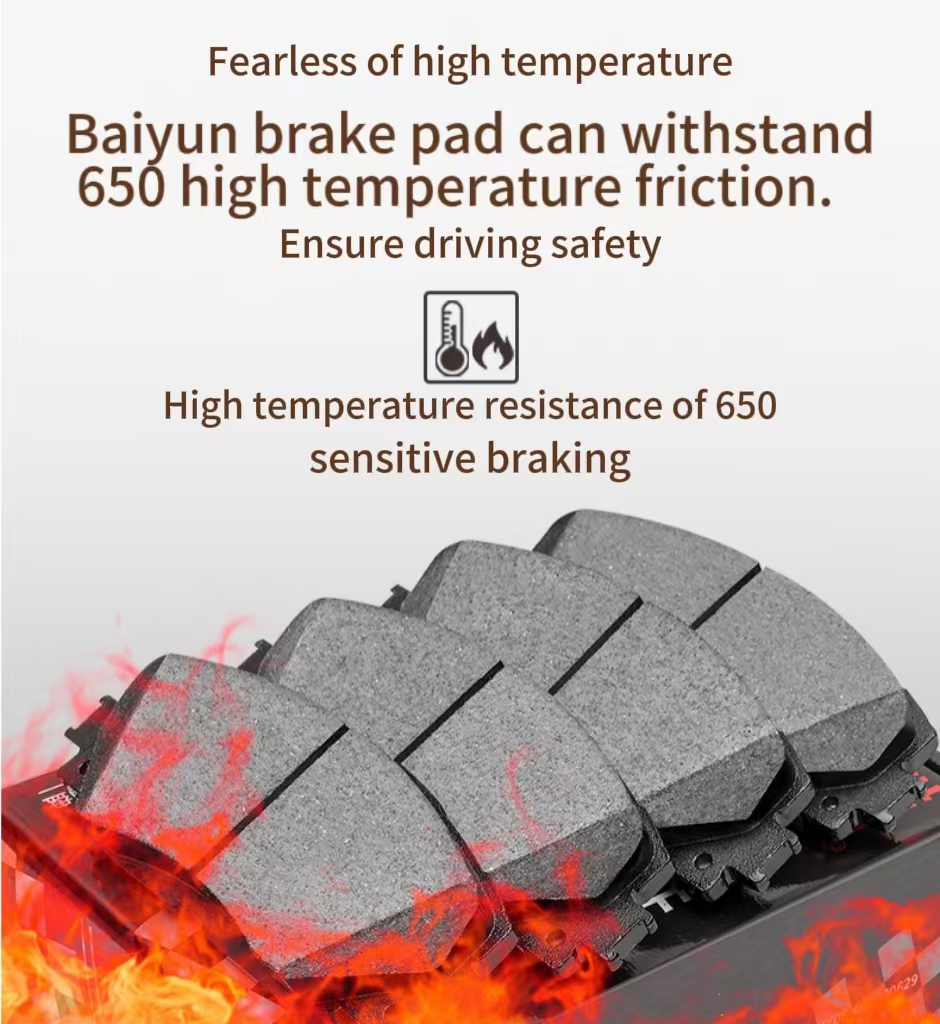
1) Drive smoothly and anticipate
- Avoid frequent hard stops and long, light dragging of the brakes.
- Look ahead, keep space, and coast early so the pads convert less energy to heat.
- Use engine braking on long descents and before off-ramps to lower pad temperature.
2) Manage heat on hills and highways
- On prolonged downhills, shift to a lower gear; alternate light, short applications to prevent heat soak.
- After aggressive stops, avoid holding the pedal firmly at a standstill on hot rotors (this can imprint pads).
- Don’t spray cold water on hot brakes (e.g., right after spirited driving or washing)—thermal shock can warp rotors and glaze pads.
3) Inspect pads, rotors, and hardware regularly
- Pad thickness: replace around 3–4 mm remaining (sooner for heavy-duty use).
- Wear pattern: uneven wear, cracks, glazing, or crumbling are red flags.
- Rotors: check for deep grooves, excessive runout, or thickness variation; resurface/replace if needed.
- Hardware: clean and lubricate slide pins/abutment clips; ensure shims, chamfers, and slots are intact and correctly positioned.
4) Keep the hydraulic system healthy
- Brake fluid absorbs moisture over time—bleed/replace on schedule to maintain boiling point and pedal feel.
- Fix caliper sticking or hose collapse early; dragging brakes overheat pads and rotors quickly.
5) Bed-in (burnish) new pads properly
- Follow the manufacturer’s bedding procedure: a series of moderate stops to build an even transfer layer on the rotor.
- Correct bedding reduces early noise, vibration, and uneven wear, extending both pad and rotor life.
6) Choose quality pads matched to your duty cycle
- Low-metallic: value-oriented daily use; watch dust and NVH.
- Semi-metallic: strong heat capacity for heavy loads; may increase noise and rotor wear.
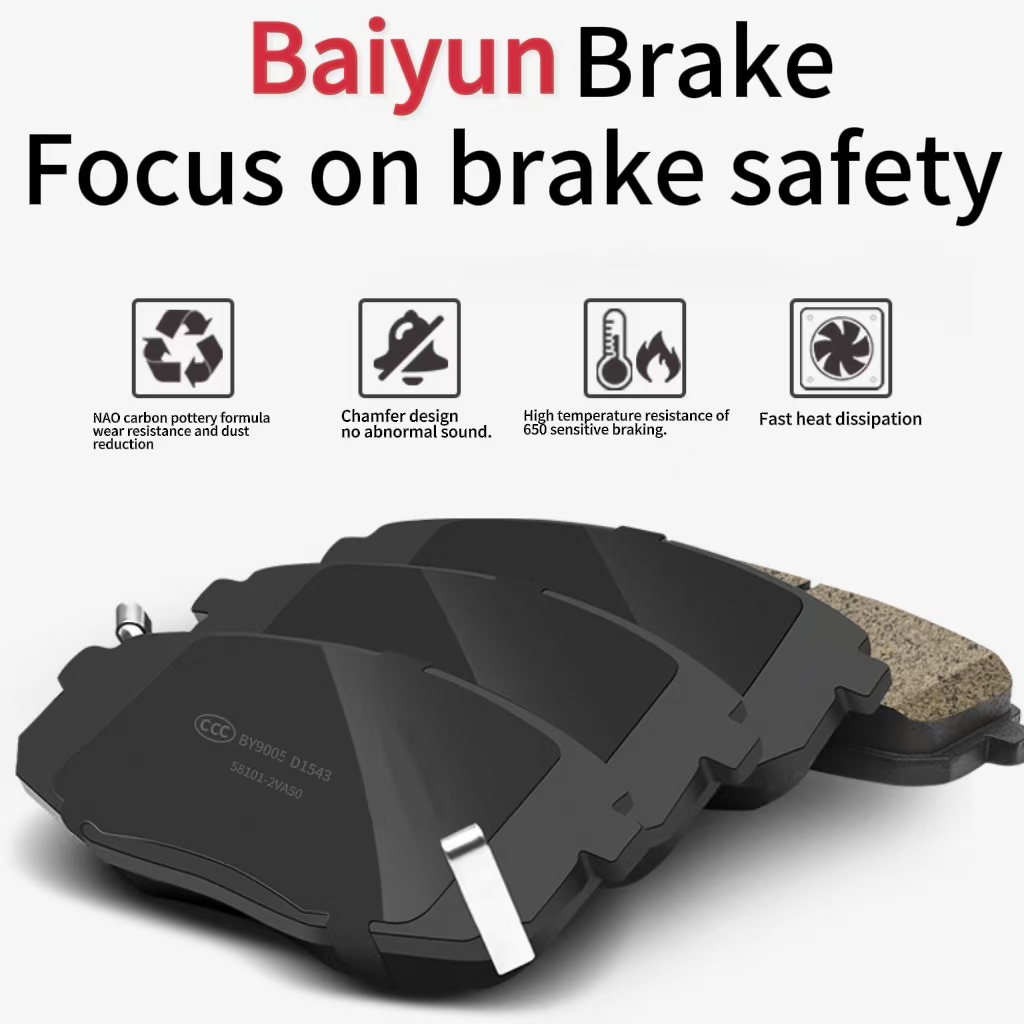
- Ceramic: quieter, cleaner, rotor-friendly, and stable at temperature; often lower lifetime cost despite higher upfront price.
- Always verify OE/WVA fitment, sensor compatibility, shims, chamfers, and slot geometry.
7) Optimize wheels, tires, and load
- Maintain correct tire pressure; under-inflation increases stopping distance and pad work.
- Remove unnecessary cargo; extra mass means extra braking energy (heat).
- Ensure proper lug-nut torque to avoid rotor distortion that can cause pulsation and accelerated wear.
8) Adapt to wet or harsh conditions
- In heavy rain or after washing, lightly apply the brakes to dry the rotors before demanding stops.
- On dusty/off-road use, clean calipers and hardware more often to prevent binding and uneven wear.
9) Know the warning signs and act early
- Longer pedal travel, fading performance, pulling, pulsation, or abnormal noises = prompt inspection.
- Early fixes prevent collateral damage to rotors, calipers, and wheel bearings.
Quick Checklist
- Smooth, anticipatory driving; use engine braking on descents.
- No hard holds on hot brakes; avoid water shock on hot rotors.
- Pads ≥3–4 mm? Even wear? No glazing/cracks?
- Rotors true and within spec; no deep grooves/TV (thickness variation).
- Slide pins/abutments clean and lubricated; shims/chamfers/slots intact.
- Fresh, correct-spec brake fluid; no dragging calipers/hoses.
- Quality, duty-matched pads; verified OE/WVA fitment and sensors.
- Correct tire pressure; remove excess weight; correct lug torque.
- Dry brakes after wet conditions; clean dust and hardware periodically.
- Investigate noise/fade/pulsation immediately.
FAQs
Q1: What’s the single biggest factor in pad life?
Driving style. Smooth, anticipatory braking and engine braking lower temperature and wear more than any other change.
Q2: Do ceramic pads always last longer?
Often, yes for daily to moderately heavy use—ceramic compounds are quieter, cleaner, and rotor-friendly. For extreme heat/loads, a high-temp semi-metallic or performance ceramic may be better.
Q3: How often should I service the brake system?
Inspect at each tire rotation or ~10,000–12,000 km; replace fluid per maker guidance or sooner under heavy use.
Q4: Can poor installation shorten pad life?
Absolutely. Dirty or dry slide pins, missing shims, misaligned clips, or skipping the bedding process will accelerate wear and cause noise/pulsation.
Looking for OEM/ODM brake pads matched to your duty cycle? Contact our engineers for compound recommendations, fitment sheets, MOQ, and lead time.
Was this article helpful?
Average Rating: 5/5 (5691)