
Brake Pad Buying Guide to Save Money: Types, Fitment, Friction Coefficient, Heat Resistance & Maintenance
Summary:
Brake pads determine both safety and ownership cost. To save money without risking braking performance, look beyond price: match the correct type and material to your driving, verify fitment, balance friction coefficient and heat resistance, and manage NVH and dust. With proper installation, bedding, and routine checks, you’ll extend pad and rotor life, reduce noise and dust, and spend less over the vehicle’s service life.
Brake Pad Buying Guide: Save Money Without Sacrificing Safety
With car ownership rising, the pads you choose will decide braking safety, maintenance frequency, and total cost of ownership. Saving money doesn’t mean picking the cheapest set; it means picking the right set—considering type and material, exact fitment, friction coefficient (μ), heat resistance, NVH (noise/vibration/harshness), dust, and rotor friendliness.
Know the Main Types First
- Low-metallic: organic base with a small metal content. Good initial bite and heat conduction, but may have higher dust and noise.
- Semi-metallic: higher metal content for strong wear and heat capability under heavy duty, but often noisier with more rotor wear.
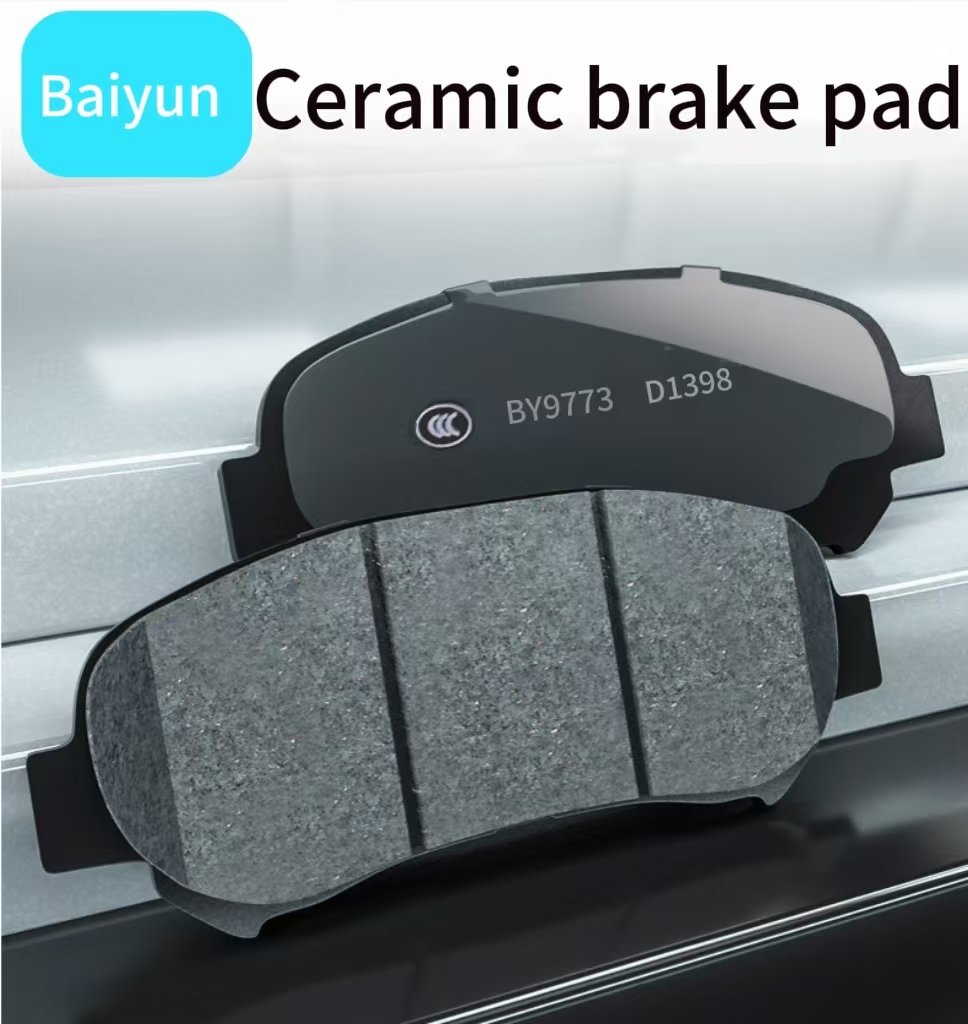
- Ceramic: mineral/aramid/ceramic fibers (no steel fiber). Quieter, cleaner, more rotor-friendly, and stable at temperature. Higher unit price, but often lower lifetime cost.
Fitment Is a Deal-Breaker
Wrong size or shape means poor braking, noise, and premature wear. Verify: model/year/engine/drive, OE or WVA numbers, thickness, ears/clips/chamfers/slots, shims, wear sensor, and caliper type. Small geometry differences across brands matter—buy reputable brands from reliable channels.
Friction Coefficient and Pedal Feel
μ that’s “too high” can mean grabby behavior, fast heat-up, and faster wear; “too low” lengthens stopping distance. Choose a pad with stable, linear μ in your most common temperature range rather than chasing extremes.
Heat Resistance and Fade
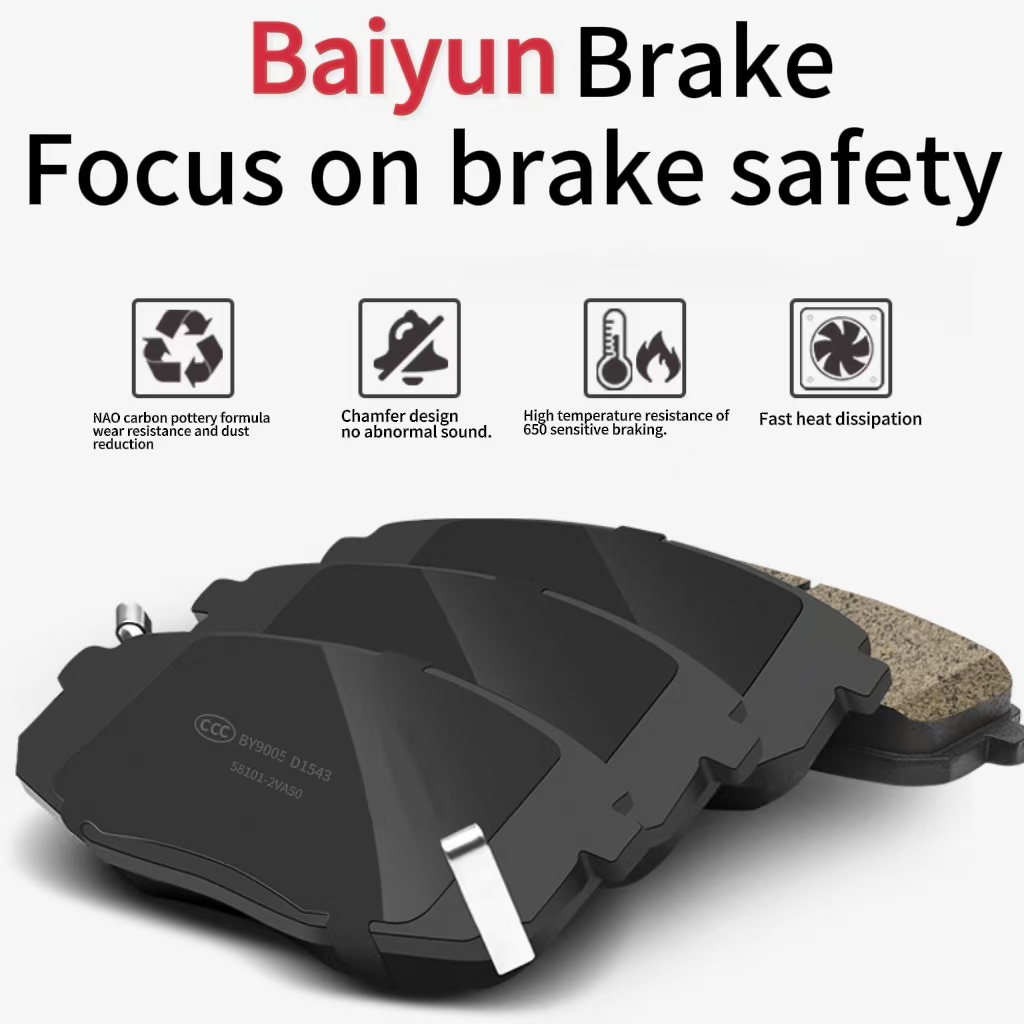
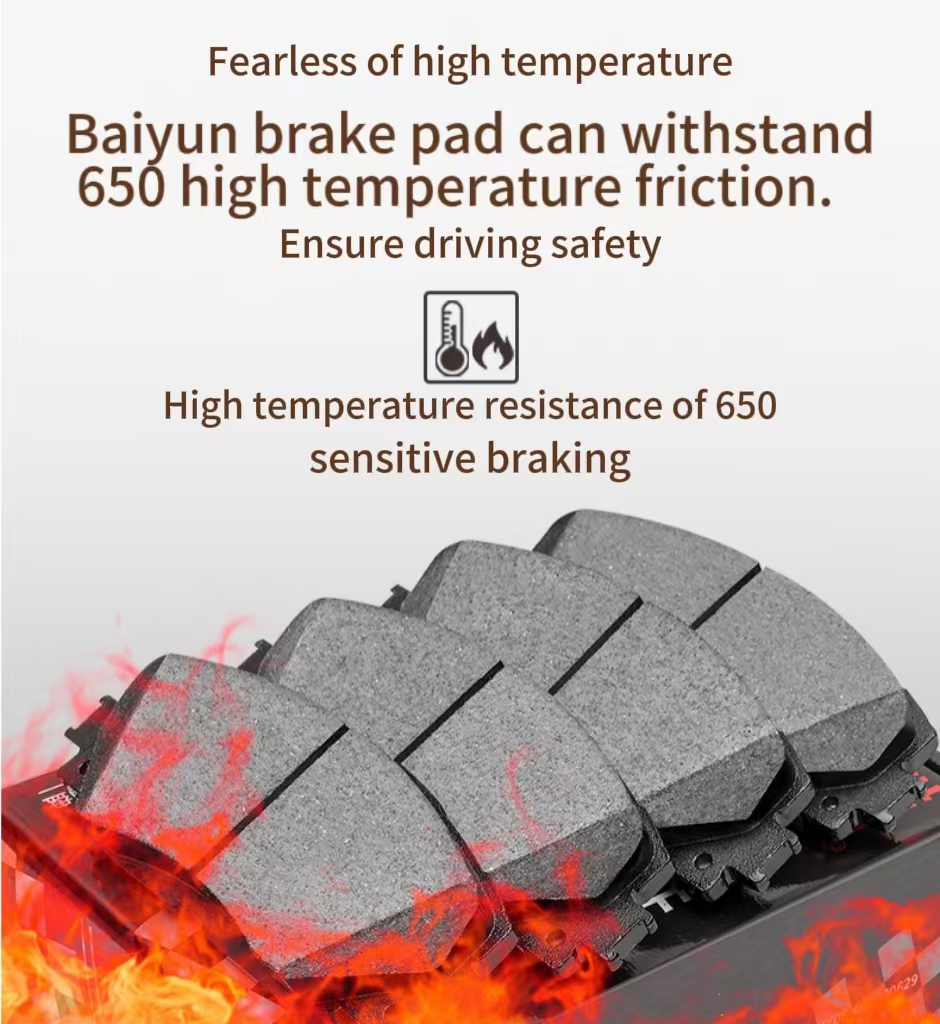
Mountain descents, repeated highway stops, and heavy loads spike interface temperatures. Poor heat resistance causes brake fade, odor, melting, and outgassing. Ceramic pads typically form a stable transfer layer at temperature, resisting fade; semi-metallics excel in heat but need NVH/rotor-wear management; low-metallic targets daily value with caution for heavy duty.
NVH and Dust
Noise and vibration relate to formulation, hardness, shims, chamfers/slots, hardware condition, and lubrication. Dust affects wheel cleanliness and upkeep. Ceramic dust is usually finer and lighter, so it cleans easier.
Price: How to Measure Real Value
Focus on lifecycle cost: purchase price + rotor wear + pad life (change frequency) + comfort (NVH/dust) + downtime. Quality ceramic or premium semi-metallic pads can cost more upfront yet cost less overall.
Checklist (Tick Before You Buy)
| Dimension | What Matters | To Verify |
|---|---|---|
| Type & material | Low-metallic / semi-metallic / ceramic | ✔ Driving & load ✔ NVH/dust ✔ Budget |
| Fitment | OE/WVA, geometry, sensors | ✔ OE/WVA ✔ Clips/slots/shims ✔ Sensor |
| Friction (μ) | Stable, linear in real use | ✔ Data sheet ✔ Reviews |
| Heat resistance | Anti-fade under repeated stops | ✔ High-temp test & feedback |
| NVH & dust | Quiet, clean, low maintenance | ✔ Shims/chamfers/slots present |
| Rotor friendliness | Less scoring, cracking | ✔ User feedback ✔ Warranty |
| Certification & channel | ECE R90; reliable seller | ✔ Labels/barcodes/anti-counterfeit |
| Price strategy | Lifecycle cost, not lowest tag | ✔ Compare 3 options ✔ Warranty/returns |
Use & Maintenance: Where Savings Add Up
- Proper installation: clean and lubricate slide pins and hardware; ensure free caliper return; check rotor condition.
- Bedding: follow maker’s procedure to form an even transfer layer and reduce early noise/pulsation.
- Routine checks: pad thickness, wear indicators, noise/pull/pulsation.
- Good habits: avoid long light braking; use engine braking on long descents.
- Keep it clean: remove dust; ensure sliders don’t stick.
- Pad–rotor pairing: resurface or replace rotors with deep grooves or thickness variation.
Budget Tiers (Examples)
- Daily commuting: quality low-metallic or entry ceramic for quiet/clean wheels.
- City + occasional highway: mid/high ceramic for balance, low dust, rotor care.
- Heavy load/mountain/commercial: performance semi-metallic or performance ceramic for heat and wear.
- Track/spirited use: consult specialists for duty-specific compounds; consider fluid and cooling upgrades.
Common Mistakes
Chasing the lowest price; chasing the highest μ; skipping bedding; pairing new pads with severely worn rotors; buying unverified products with no certification or support.
FAQs (EN)
Q1: How do I know it’s time to replace pads?
Near-limit thickness, warning light, metallic scraping, pulling/shuddering, or uneven wear on inspection.
Q2: Are ceramic pads always cheapest over time?
Often yes for daily to moderately heavy use: quieter, cleaner, rotor-friendly, and longer life. For extreme heat or racing, a dedicated compound may be better.
Q3: Do I need new rotors with new pads?
If rotors have deep grooves, thickness variation, or are near end-of-life, replace or resurface—otherwise new pads can be compromised.
Q4: What if I get noise after installation?
Check hardware lubrication, shim placement, chamfers/slots compatibility, rotor runout/condition, and confirm proper bedding.
Need OEM/ODM brake pad recommendations or a fitment sheet? Contact our engineers for compounds, MOQ, and lead time.
Was this article helpful?
Average Rating: 5/5 (2956)