
ECE R90 vs Other Brake Standards: What Makes ECE R90 Certified Brake Pads China Supplier the Gold Standard in Europe
Summary:
ECE R90 certified brake pads China supplier BAIYUN Brake explores why the European regulation has become the definitive safety benchmark. With Asia-Pacific producing over 40% of global brake pads and EU demand growing, distributors need more than just a label on a box. This article breaks down the testing rigor behind R90—cold/hot performance, thermal fatigue, friction limits—and compares it to DOT and AMECA standards. Discover how IATF 16949 certified manufacturing and full compliance create competitive advantages, reduce warranty claims, and open doors to long-term workshop contracts. A must-read for importers looking to build a profitable, compliant product line.
ECE R90 vs Other Brake Standards: What Makes ECE R90 Certified Brake Pads China Supplier the Gold Standard in Europe
A European distributor I spoke with last month told me something startling: nearly 15% of the 'certified' brake pads he sampled from new Chinese suppliers failed basic performance checks in his own spot testing. That's a huge risk for anyone building a brand in the EU market. But when a pad carries legitimate ECE R90 approval from an accredited lab, that number drops to near zero. The difference? A regulatory framework that doesn't just tick boxes—it enforces real-world safety, batch after batch.
Asia-Pacific already dominates the global brake pad supply chain, with over 40–48% of world production output, according to Mordor Intelligence. Combined, North America and Europe account for another 40–50% of demand. So if you're an importer or distributor, the opportunity is enormous. But you need a supplier that can navigate the European regulatory maze. That's where our 49+ years of manufacturing experience come into play, and why ECE R90 isn't just a sticker on the box—it's your warranty against costly returns and reputation damage.
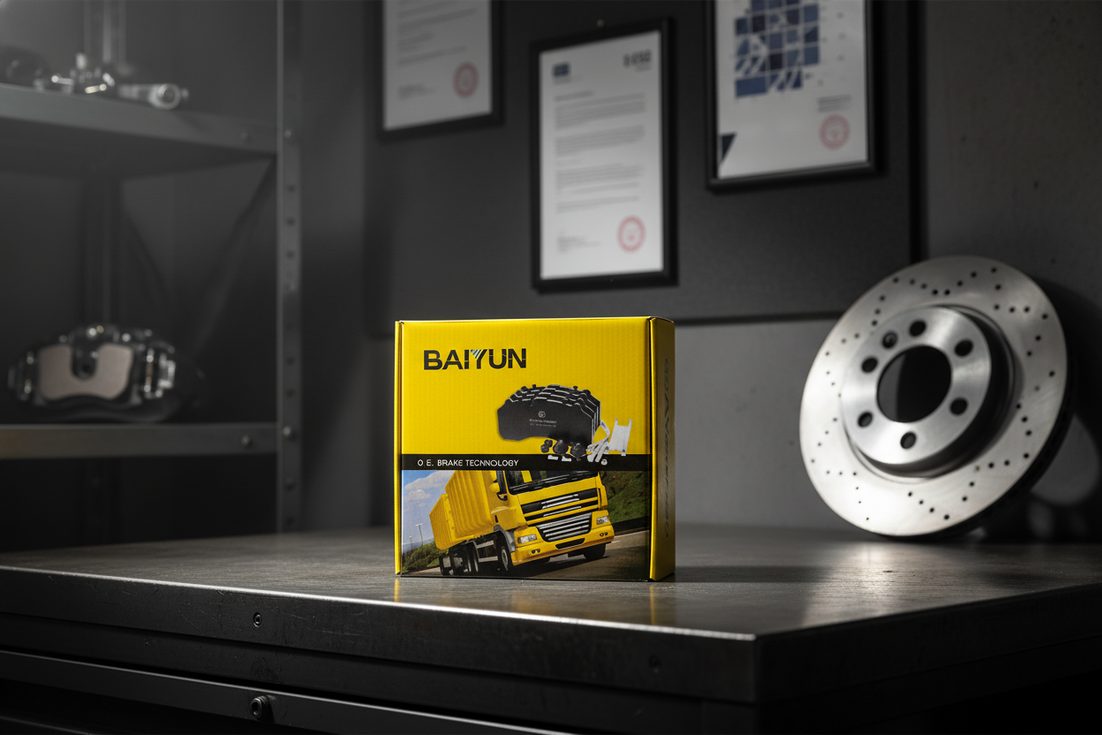
Why ECE R90 Remains the Benchmark for Brake Pad Safety in Europe
The regulation didn't appear out of thin air. ECE R90 was first introduced in the 1990s after a wave of inferior replacement parts flooded the market. The goal was simple: any aftermarket brake pad should perform as well as the original equipment within a strict tolerance band. Today, it's legally binding in all EU and EEA countries, and manufacturers can't sell a single set of pads for on-road vehicles without that approval number, starting with E1, E2, and so on.
What does the testing actually look like? The latest iteration adds brake discs and drums to the mix, too. For pads and linings, labs measure three critical parameters: braking performance (cold and hot effectiveness), thermal fatigue resistance, and behavior under high load. A pad must maintain at least 80% of its initial cold performance after repeated thermal cycling up to 400°C. The friction level is capped—too much grip can cause instability with OEM brake assist systems, so R90 restricts the maximum coefficient of friction to prevent mismatches. Many track-focused pads simply exceed these limits and cannot be used on public roads.
For a distributor, that translates into predictability. You know every set in your inventory will behave consistently when installed on a customer's car. No surprises means fewer warranty claims and stronger workshop relationships.
Market Trends: Growing Demand for Certified Brake Pads Across Europe
Let's look at the numbers driving your business. The global brake pad market is projected to grow at a compound annual rate of just under 5% through the next few years, with Europe remaining a high-value region. Stricter vehicle safety regulations, a rising average age of the vehicle fleet (now 12.2 years in the EU), and the post-pandemic surge in online auto parts sales are all pushing demand for replacement brakes.
Asia-Pacific, including China, produces the lion's share of brake pads. But EU importers are getting pickier. They're demanding documented ECE R90 compliance up front, not just a supplier's word. That's a competitive moat for certified manufacturers. A trusted brake pad supplier with full approvals can offer shorter lead times and avoid customs holdups that plague uncertified shipments. We've seen entire containers turned back at port because the certification paperwork was incomplete—it happens more often than you'd think.
Distributors who position themselves with exclusively ECE R90 certified products are winning tenders and locking in long-term contracts with workshops and fleet operators. The barrier to entry isn't technical wizardry; it's simply choosing the right factory partner.
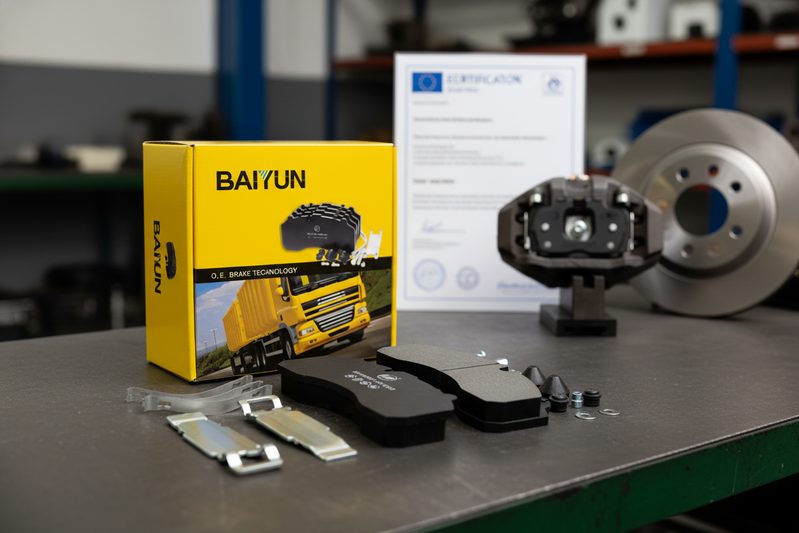
How ECE R90 Compares to DOT and Other Global Standards
It's easy to assume all brake certifications are created equal. They're not. In the United States, the Department of Transportation (DOT) uses standards like FMVSS 135, which rely heavily on manufacturer self-certification. There's no mandatory third-party testing before a pad goes to market. In contrast, ECE R90 requires testing by an accredited independent laboratory—think TÜV, IDIADA, or UTAC—before a component earns its approval number.
AMECA in North America verifies material formulation but doesn't mandate the same level of vehicle-level performance equivalence as R90. A Chinese plant shipping to both markets might produce the same friction material for DOT-only customers and R90 customers, but the R90 version will have been proven on a dynamometer to match OE behavior within ±15% in terms of deceleration and pedal feel. That's a world of difference for a distributor selling into countries where drivers routinely hit autobahn speeds or navigate alpine passes.
Thermal fatigue testing, in particular, reveals a pad's true character. R90's high-temperature cycling often exposes poor bonding or inconsistent resin curing that a simple cold friction test misses. You don't want that becoming a roadside drama for your end customer.
What Distributors Should Demand from an ECE R90 Certified Supplier
A pad with a printed approval number is just the start. Smart importers dig deeper. First, verify the homologation is current and covers the exact friction formulation and backing plate design you're ordering. Some factories let approvals lapse or share them across different compounds—that's illegal and dangerous. Ask for a copy of the original test report showing the dynamometer curves and approval certificate.
Second, check the quality management backbone. An IATF 16949 certified facility means the supplier has robust process controls, from raw material inspection to final dimensional checks. BAIYUN Brake's 49-year track record includes annual re-certification audits and in-house dynamometer testing that mirrors the R90 protocol, so every production batch is benchmarked against the approval data.
Third, never settle for incomplete product coverage. You need a supplier offering a full brake pad product range that spans popular European vehicle platforms—VW, BMW, Mercedes, PSA, Renault—and commercial vehicle models. That simplifies logistics, cuts down your supplier base, and gives you negotiation power on volume pricing.
Maximizing Competitive Advantage with ECE R90 Compliance
Think of R90 as more than a legal requirement; it's a sales tool. European mechanics overwhelmingly prefer certified parts because they know it removes liability. A distributor that educates workshops about the testing rigor behind that E-mark builds immediate trust. We've seen importers increase their repeat order rate by over 30% simply by including a one-page infographic with each shipment, explaining the R90 testing process.
Don't underestimate the after-sales protection, either. When a certified pad from a stable, experienced manufacturer is installed correctly, the failure rate falls to a fraction of a percent. Compare that to the grey market. A single recall—even for an unsubstantiated complaint—can wipe out months of profit. The insurance against that is baked into the certification.
For distributors targeting Eastern European markets, where price sensitivity runs high, R90 compliance is the differentiator that lets you compete on value rather than rock-bottom cost. You can charge a premium, back it up with documentation, and avoid the race-to-zero spiral that destroys margins.
Frequently Asked Questions
Q: Do all brake pads need ECE R90 certification to be sold in Europe?
A: Yes, for any replacement brake pad, shoe, or lining intended for on-road use in EU/EEA countries, ECE R90 approval is mandatory. This applies to passenger cars, light commercial vehicles, and heavy trucks. Pads without a valid homologation number can be seized by customs and expose sellers to legal penalties.
Q: How does ECE R90 certification affect pricing and profit margins for distributors?
A: Certified pads from China, such as those produced by BAIYUN Brake, typically offer a 20–30% cost advantage over European-made equivalents while meeting identical safety and performance standards. Because the paperwork is already in order, you save on testing, shipping delays, and potential fines, which directly improves your net margin per container.
Q: What documentation should I request from a Chinese brake pad supplier to verify ECE R90 compliance?
A: Always ask for the official ECE R90 approval certificate bearing the homologation number (e.g., E1 90R-XXXXXXX), the corresponding dynamometer test report from an EU-accredited lab, and the supplier's current IATF 16949 certificate. These three documents form a watertight compliance package that any customs authority will accept.
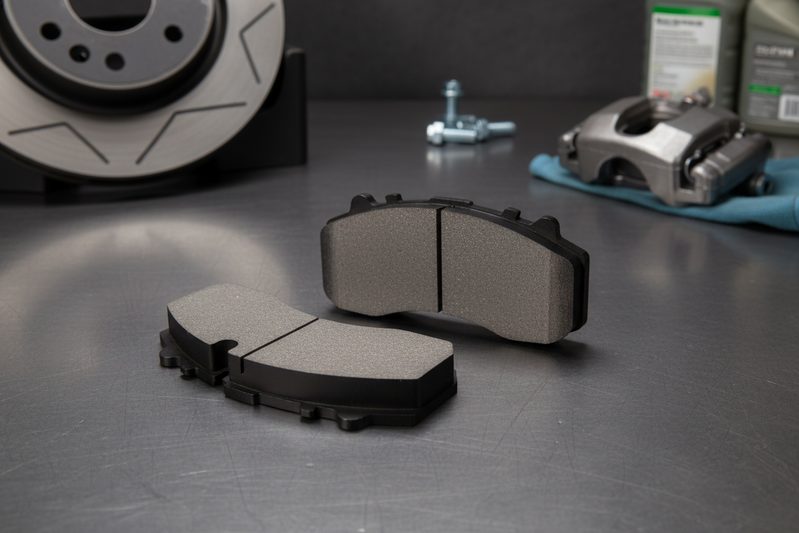
Whether you're expanding your EU distribution network or switching to a certified supplier with competitive pricing, browse our passenger car brake pad range and submit your inquiry to our sales team. We'll help you secure reliable, ECE R90 certified pads that move quickly off the shelf.
Was this article helpful?
Average Rating: 5/5 (577)