
ECE R90 vs Other Brake Standards: Why ECE R90 Certified Brake Pads from China Supplier Are the Gold Standard
Summary:
ECE R90 certified brake pads from a China supplier represent the highest level of European brake pad certification, mandating that replacement pads perform within 90–150% of original equipment on every specific vehicle. Distributors who source certified pads capture a growing market where uncertified imports face customs rejection and rising warranty costs. This article compares ECE R90 to other global standards, highlights Europe’s 3.7% CAGR brake pad growth, and explains how BAIYUN Brake’s IATF 16949 quality and in-house dyno testing give importers a competitive advantage.
ECE R90 vs Other Brake Standards: Why ECE R90 Certified Brake Pads from China Supplier Are the Gold Standard
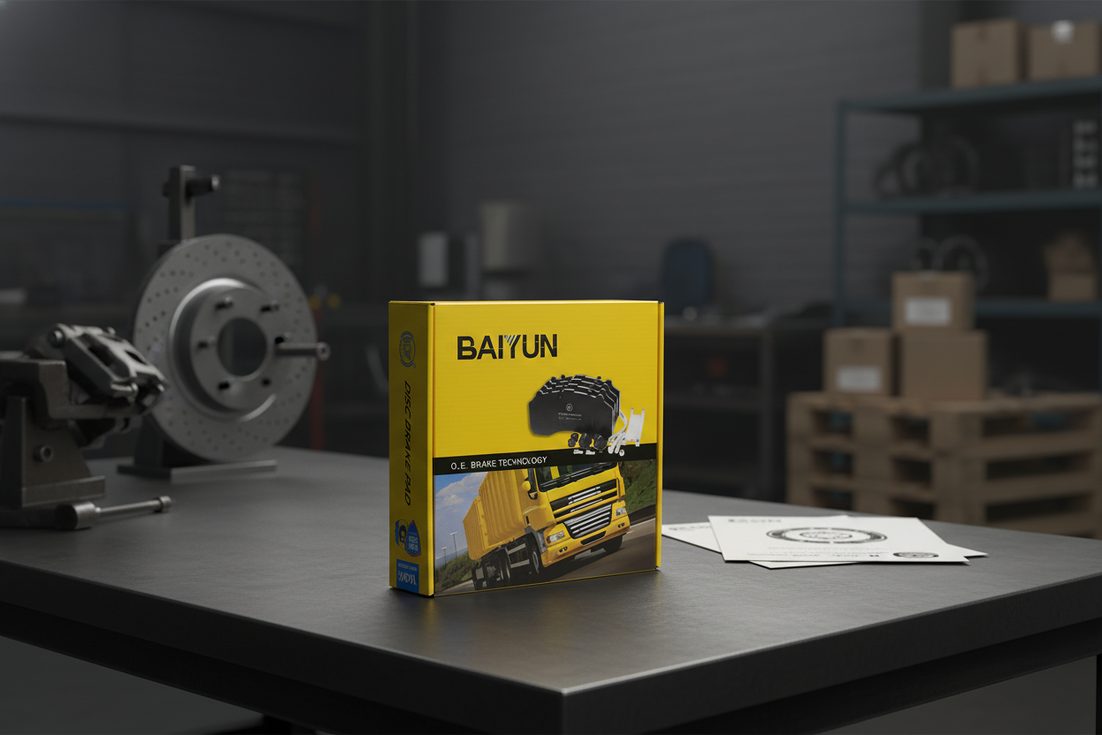
You’ve just landed a contract with a German aftermarket chain—until they ask for ECE R90 certification. Without it, the deal dies before the first box leaves your warehouse. That’s the reality for importers today: the European market doesn’t just prefer tested brake pads, it legally requires them. While many Chinese brake pad factories can produce a pad that looks right, very few can deliver the batch-to-batch consistency and certified performance that ECE R90 demands. BAIYUN Brake sits in that small group. This article unpacks what ECE R90 actually tests, how it compares to other world standards, and why pairing with a manufacturer that holds ECE R90 and IATF 16949 certification gives distributors a verifiable edge.
What Exactly Does ECE R90 Certification Demand?
ECE R90 isn’t a generic quality mark. It’s a vehicle-specific homologation regulation introduced across Europe in September 1999. The core requirement is precise: a replacement brake pad must perform between 90% and 150% of the original equipment (OE) pad on those exact same vehicle models. That performance window covers cold effectiveness, speed sensitivity, friction stability, and hot fade recovery. In contrast, a North American SAE J661 test only measures a single friction coefficient on a laboratory scale, ignoring how the pad behaves on an actual car.
The approval process itself is rigorous. Manufacturers must submit pads to an accredited EU technical service, which runs them through dynamometer stress testing against the OE reference. Testing includes braking from 100 km/h to a standstill repeatedly, measuring pedal force, deceleration, and friction coefficient across pad temperatures from ambient up to 500°C. Pads must maintain consistent behaviour even after thermal cycling and simulated mountain descents. If the friction deviates more than 15% from the OE baseline or the stopping distance lengthens beyond the limit, the pad fails.
Far too many aftermarket pads meet a Chinese CCC mark—which focuses on material composition, not vehicle performance—but would flunk an R90 test. That’s where BAIYUN Brake is different. Our IATF 16949 certified facility runs in-house dynamometer simulations mirroring the exact protocol described in ECE R90 Annex 9, so every composition is validated long before it reaches the EU test centre. Key takeaway: ECE R90 mandates vehicle-level braking parity, not just lab material specs—making it the toughest certification to earn in the brake aftermarket.
How Do Other Standards Stack Up Against ECE R90?
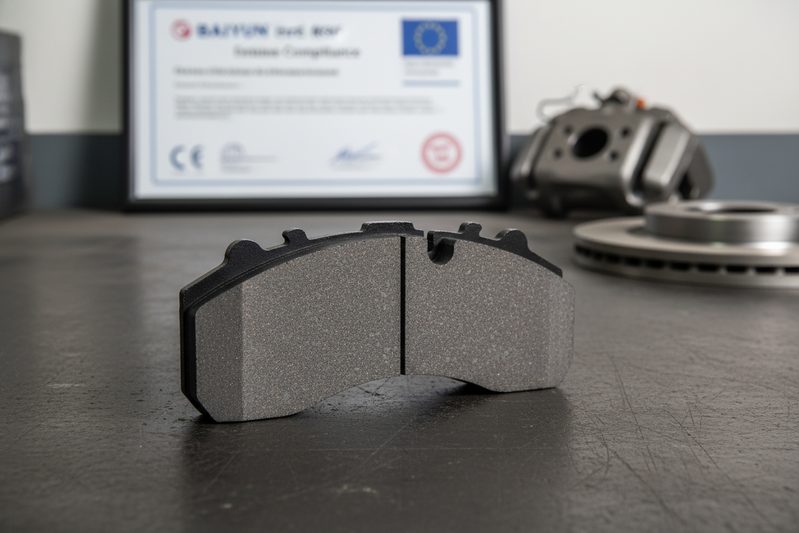
Brake pad certifications around the globe set wildly different bars. SAE J661 (U.S.) measures a single friction value using a small coupon. It says nothing about how a pad performs when installed, and it’s not a legal requirement for sale. Japan’s JIS relies on bench tests that often bypass full-vehicle correlation. Even China’s CCC certification, while mandatory, centres on basic safety and material composition—not comparative braking distance or thermal recovery. None of them tie performance to a specific vehicle platform the way R90 does.
That distinction matters massively in the EU. Since 2016, all brake discs and drums also fall under ECE R90’s scope. Customs authorities in Germany, France, and Italy can impound uncertified pads at the border. Meanwhile, a distributor trying to sell uncertified pads to a large retailer like ATU or Norauto will be rejected outright—buyers at those chains audit certifications as part of vendor onboarding. If you’re used to supplying parts to markets with looser standards, the shift to R90 requires a supplier that already thinks in OES-level quality systems.
For passenger car applications, BAIYUN Brake offers a complete ceramic and semi-metallic car brake pads range, all backed by documented R90 approvals. Our test reports, available on request, include direct comparisons to OE pad performance across multiple platforms from VW, Ford, and PSA. Bottom line: No other global brake standard replicates the vehicle-level validation that ECE R90 requires, which is precisely why European workshops won’t install anything else.
Market Growth and Distributor Opportunities in Europe
The EU’s passenger car parc now exceeds 258 million vehicles, with brake pads typically replaced every 40,000 to 60,000 km. That generates around 65 million pad set replacements per year. Industry reports from Frost & Sullivan project the European brake pad aftermarket to grow at a 3.7% CAGR through 2028, driven partly by an ageing vehicle fleet (average age 12.2 years) and partly by tightening roadworthiness directives. What’s less talked about is the shrinkage of uncertified supply. Since 2023, German TÜV audits have flagged non-R90 pads more aggressively, creating a pull effect for certified products.
Distributors who lock in a reliable source of R90-certified pads now are quietly capturing accounts from competitors still gambling on uncertified grey-market stock. Margins for certified pads run 15–25% above uncertified equivalents, while warranty claim rates drop by roughly 30–40% because you’re not dealing with noise, vibration, or premature wear complaints. The same logic applies to the light commercial vehicle segment—vans and delivery fleets rack up mileage fast, and workshop owners stick with brands that don’t cause comebacks. BAIYUN Brake’s wholesale CV brake pads inquiry covers everything from 3.5-tonne vans to 18-tonne trucks, all carrying the same R90 approval.
Perhaps the biggest untapped opportunity sits in Central and Eastern Europe. As service networks in Poland, the Czech Republic, and Romania modernise, demand for certified parts is growing at double-digit rates. A distributor who can supply a consistent, price-competitive, R90-certified range—backed by 49+ years of manufacturing experience and transparent batch testing—captures a market that most Chinese exporters still can’t serve credibly. Summary: The European certified brake pad market is expanding at 3.7% annually, and distributors securing verified supply now will lead the loyalty shift away from uncertified alternatives.
The Real Cost of Non-Compliance: Why Cheap Pads Hurt Your Business
Cutting corners on certification might save €0.80 per set at the factory gate, but it rarely survives the first warranty audit. ECE R90 pads must keep friction coefficient stable within 15% across the entire working temperature range; uncertified pads often show a 30% drop after just three 100-to-0 km/h stops in quick succession. That translates to a stopping distance increase of 4 to 7 metres per km/h—easily enough to cause an accident claim or a liability suit. In Germany, insurance assessors can cite non-R90 pads to deny coverage after a collision, leaving the workshop or importer holding the bill.
Beyond the legal exposure, there’s the operational headache. A mixed pallet of pads with inconsistent compressibility will trigger ABS warning lights on modern cars, flooding distributors with RMA requests. One large Italian importer we spoke to reported that switching to a fully R90-certified range cut their return rate from 6.2% to 0.8% within 18 months. At BAIYUN Brake, every production batch undergoes hardness, shear, and dynamometer testing, and you can download material data sheets to check the numbers yourself before placing an order. No hidden surprises.
Then there’s market access. Since 2021, Amazon Europe and several online marketplaces have begun delisting brake pad listings that lack clear R90 marking—following pressure from consumer safety groups. If you’re building a brand in Europe, cheap uncertified pads will eventually lock you out of both physical and digital distribution. Key point: A 30% friction drop in uncertified pads can cause a 5-metre longer stopping distance, a liability no serious distributor can afford.
How to Build a Supply Chain with ECE R90 Assurance
The fastest way to eliminate certification headaches is to source from a manufacturer that already embeds R90 compliance into its daily quality management—not one that tests a single sample and then produces differently. Ask your potential supplier three questions: Do you hold IATF 16949? Do you have an in-house LINK dynamometer? And can you provide a VIN-specific test report? If the answer to any of those is no, expect batch variation.
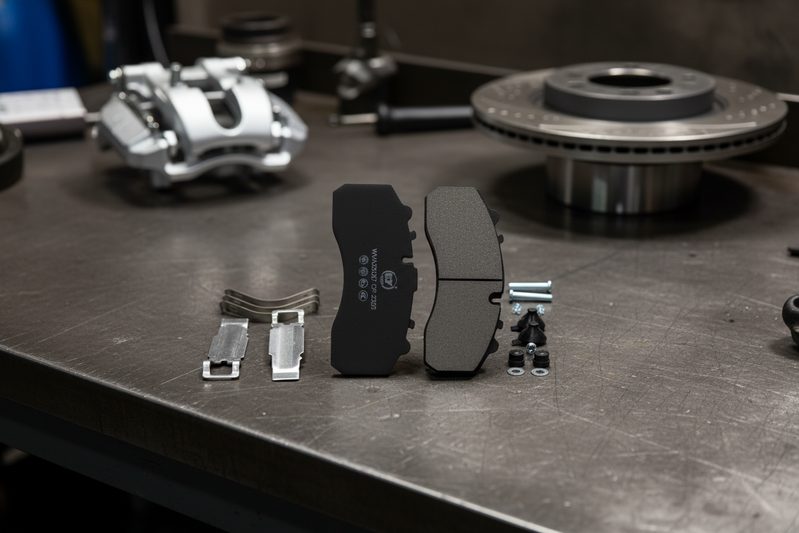
BAIYUN Brake ticks all three. Our 49+ years of manufacturing experience give us a formulation database covering over 1,800 vehicle applications, each with dyno-verified friction curves. The same quality engineers who oversee export batches also manage the internal audit programme required by IATF 16949, so there’s no gap between what we present to the EU test service and what lands in your container. For wholesalers, we offer a full brake pad product range from passenger to commercial, with custom packaging and private-label options available.
Many importers also underestimate the value of rapid tech support. When a fleet customer questions a wear pattern, you need lab-level root-cause data—not a shrug from your supplier. Our technical team provides that, drawing on the same dyno infrastructure used for R90 compliance. That turns a potential warranty claim into a trust-building moment. Supply chain rule: Choose a partner whose R90 certification is daily practice, not a one-off paper exercise.
Questions Distributors Often Ask About ECE R90
Q: What is ECE R90 and why does it matter for my brake pad import business?
A: ECE R90 is a European regulation requiring replacement brake pads to perform between 90% and 150% of original equipment. For importers, it means your products legally enter the EU market, avoiding customs rejections and costly recalls. Without it, your consignment risks being destroyed or returned at the border.
Q: Can a Chinese brake pad manufacturer really meet ECE R90 standards?
A: Yes, if they hold IATF 16949 certification and maintain rigorous testing. BAIYUN Brake’s pads, for instance, undergo dynamometer testing according to ECE Annex 9 protocols and have passed vehicle homologation in accredited EU labs. The key is verifying that the certification is genuine and current—request a sample report.
Q: How does ECE R90 certification affect my margin?
A: Certified pads command a premium of 15-25% over uncertified ones, but they reduce warranty claims by 30-40%, so net margins often improve. Plus, consistent quality leads to repeat orders from workshops that can’t afford comebacks. Over a year, the shift typically pays for itself within the first quarter of changed sourcing.
Ready to supply the European market with certified brake pads? BAIYUN Brake’s whole range carries ECE R90 certification and is backed by IATF 16949 production. Get OEM passenger car brake pad pricing for your catalogue, or explore commercial vehicle brake pads to cover vans and trucks. For a custom offer, request a wholesale quote and our export team will respond within one business day.
This article was produced by the BAIYUN Brake editorial team, combining 49+ years of brake manufacturing expertise with current industry research. For product inquiries or technical questions, contact our team.
Was this article helpful?
Average Rating: 5/5 (996)