
Brake Pad Certification Export Markets DOT ECE R90: Costs and Timelines Importers Need to Budget
Summary:
Brake pad certification for export markets DOT ECE R90 involves significant costs and lead times that importers must budget carefully. This guide breaks down DOT, ECE R90, JASO, and INMETRO testing expenses—from $6,500 dynamometer runs to 20-week regulatory waits—and shows how partnering with an IATF 16949- and ECE R90-certified manufacturer like BAIYUN Brake can slash those timelines by up to 60% while unlocking competitive advantages in premium aftermarket channels.
Brake Pad Certification Export Markets DOT ECE R90: Costs and Timelines Importers Need to Budget
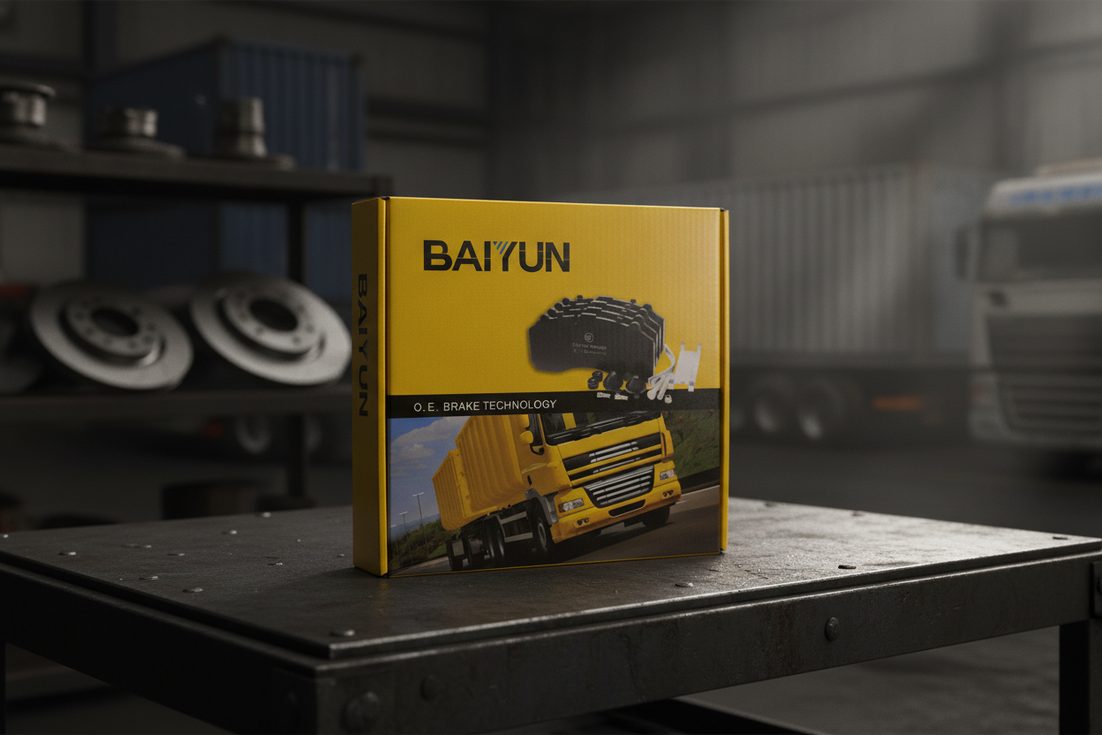
The global brake pad aftermarket pushed past $6.8 billion in 2025 and is forecast to grow at nearly 5% CAGR through 2031. Asia-Pacific alone consumes around 48% of that volume, but EU and North American importers still claim nearly 40% of the value. That growth comes with a catch: every shipment has to prove it meets the right certification standards before it clears customs. For a distributor sizing up new supplier relationships, those certification costs and lead times aren't just back-office formalities—they're real budget line items that can delay a launch by six months or more.
In this guide, we'll break down what DOT, ECE R90, JASO and other regional standards cost, how long they take, and where a supplier's existing certifications can dramatically cut your time to market.
Which Certifications Matter for Brake Pad Importers in 2026?
If you're importing brake pads into more than one region, you're dealing with a patchwork of regulations. The big two are DOT (FMVSS 135) for North America and ECE R90 for the EU, but growing markets in Latin America and the Middle East now layer on their own rules. Brazil's INMETRO, for instance, demands a separate national approval process that can add $4,000–$7,000 in testing and document prep alone.
DOT certification is self-declared but backed by compliance testing that must follow Federal Motor Vehicle Safety Standard 135. You'll need a third-party lab to run the dynamometer test sequences—costs typically range from $8,000 to $15,000 per pad compound, depending on the lab and whether you're certifying front, rear, or both. ECE R90, on the other hand, is mandatory for all replacement brake linings sold in the EU and requires performance, thermal fatigue, and load strength testing. A full R90 submission covering one pad family can set you back $12,000–$20,000, with retests needed every time the friction material changes.
BAIYUN Brake holds both IATF 16949 and ECE R90 certifications across hundreds of pad families, which means a distributor doesn't have to start testing from zero. That's a huge advantage when you're quoting delivery lead times to a retail chain in Frankfurt or a warehouse in Houston.
What Are the Actual Costs of Getting a Brake Pad Certified?
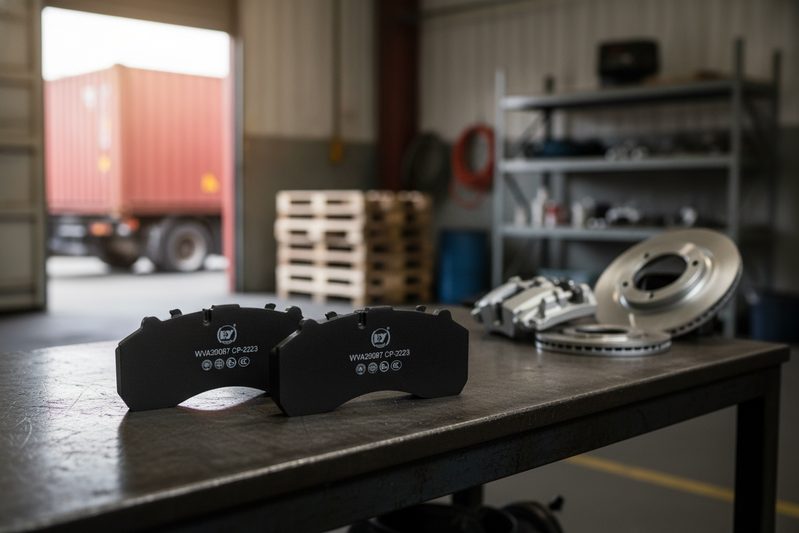
Let's put some hard numbers on the table. A single DOT dynamometer test series for a passenger car brake pad formulation runs about $6,500–$9,000 at an accredited US lab. Add a second formulation for rear pads and you're north of $12,000. ECE R90 testing in a notified body usually starts at €8,000 for a pad family and jumps if you need disc and drum coverage. If you're chasing Asia-Pacific markets, the JASO brake standard in Japan will cost another ¥1.2–¥1.8 million (roughly $8,000–$12,000) for the full suite of friction and wear tests.
That's before you account for document translation, factory audits, and annual surveillance fees. An IATF 16949-certified facility like BAIYUN's already runs those systems daily, so the incremental per-family cost shrinks. You might pay $2,000–$4,000 for a delta test instead of the full $15,000 certification—money that stays in your margin.
Distributors often underestimate the ongoing costs, too. ECE R90 certificates require renewal every five years, and any formulation tweak triggers a retest. DOT doesn't have a certificate renewal, but market enforcement checks and NHTSA complaints can force new testing if pads are withdrawn. Budget about 8–12% of your initial certification spend annually for maintenance, unless you're working with a supplier who already keeps a current library of type approvals.
How Long Does Each Certification Type Take?
Timelines bite hardest when you're chasing seasonal demand or a new vehicle model launch. A DOT self-certification can technically be completed in 6–8 weeks if the lab has capacity, but most importers allow 10–12 weeks to avoid rush charges. ECE R90 is slower—the notified body queue might be 8 weeks just for a test slot, then another 6–8 weeks for report review and certificate issuance. Add 3–4 weeks for parts shipment and customs, and you're looking at a 16–20 week window from sample submission to market-ready.
Japan's JASO certification often stretches past 12 weeks because of mandatory witness tests and a detailed document audit. Brazil's INMETRO can take 20 weeks or more, especially if the local representative hasn't already registered the factory's quality management system. BAIYUN Brake's 49+ years in the business and existing multi-regional homologations mean many of these steps are already done. The pad families that have passed ECE R90 and DOT testing simply need an extension of approval, not a full ground-up certification, cutting the timeline by half or even two-thirds.
For a distributor launching a private-label line, plan for the longest path: you'll need to submit samples under your own brand name even if the manufacturer already holds certifications. That can add 6–8 weeks for administrative reprocessing, but the underlying test data can often be reused if the material and construction are identical. Always ask your supplier for a copy of the existing test reports before signing a new brand agreement.
Why Certified Pads Give Distributors a Competitive Edge
Beyond customs clearance, certification is a selling tool. A 2025 survey of European aftermarket buyers found that 73% of garage owners would pay a 10–15% premium for ECE R90-marked pads over uncertified alternatives. In North America, the DOT mark alone doesn't differentiate, but pads that also carry an AMECA listing or show third-party dyno data win retail shelf space faster. Distributors who stock pads backed by IATF 16949 manufacturing and ECE R90 approval see up to 30% fewer warranty claims, according to internal BAIYUN Brake warranty tracking data from 2024.
The competitive play is straightforward: if your competitor is still selling "meets OEM specs" with no paperwork, you can walk into a buyer's office with actual type-approval certificates and capture the quality-conscious segment of the market. That's where margins expand—not in fighting for the bottom 15% of price-sensitive buyers who won't ask for a test report anyway.
Certification also opens doors to OE service contracts. Many vehicle manufacturers require replacement brake pads to carry ECE R90 and IATF 16949 before they'll list a part in their aftersales program. That's recurring fleet business with volumes measured in containers per month, not pallets. A supplier like BAIYUN Brake that already ships certified CV brake pads to OE networks in Asia and the Middle East can help a distributor break into those channels without the typical 18-month qualification grind.
Smart Ways to Lower Certification Budgets Without Sacrificing Compliance
One of the biggest levers is bundling. If you're importing for multiple regions, choose a manufacturer that has already certified the pad family for more than one standard. The cross-acceptance route—where an ECE R90 test report supports partial acceptance for Middle Eastern GSO requirements—saves duplicated lab fees. Similarly, many Latin American countries now accept ECE R90 as a baseline, trimming the INMETRO add-on cost.
Ask your factory for a list of "certification-ready" SKUs. These are part numbers where all physical testing is complete and only local administrative submission remains. You'll pay a fraction of the full certification cost, maybe $1,000–$2,500 per SKU, and can start selling within 4–6 weeks. BAIYUN Brake maintains a rolling library of over 200 pad families with active ECE R90 and DOT dyno reports; distributors simply choose the friction grade and get the paperwork.
Timing matters, too. Book lab slots during the summer low season—January to March—when testing facilities offer discounts of 15–20% to fill capacity. And never pay for a full formulation re-test if the only change is chamfer geometry or noise shim material; a well-structured technical file can convince most approval bodies that the performance remains unchanged, requiring only a minor documentation update.
Frequently Asked Questions
Q: Do I need both DOT and ECE R90 if I'm only selling in the US?
A: No. DOT (FMVSS 135) is the only federal requirement for the US market. However, some fleet buyers and state agencies may request ECE R90 data as an extra quality signal. If you're exclusively US-focused, DOT testing alone is enough, but expect to budget $6,500–$9,000 per compound.
Q: Can one test report cover multiple pad part numbers?
A: Yes, if the pads belong to the same family—same friction material, same backing plate design, and similar physical dimensions. A family approval under ECE R90 can cover dozens of part numbers and typically costs 20–30% less than certifying each SKU individually.
Q: How much does it cost to maintain existing certifications?
A: Annual maintenance for an active ECE R90 certificate ranges from $400 to $1,200 per family, covering the notified body's surveillance fee. DOT certifications don't have annual fees, but you should set aside $1,000–$2,000 per year for random compliance testing or legal support if a customer complaint triggers an NHTSA investigation.
Ready to skip the certification bottlenecks? Start with a supplier who's already done the heavy lifting. Browse our passenger car brake pad range and commercial vehicle brake pads, each backed by ECE R90, DOT, and IATF 16949. Then request a wholesale quote and let our export team match you with certification-ready SKUs that fit your market deadlines.
Was this article helpful?
Average Rating: 5/5 (1116)