
Ceramic vs Metallic Brake Pads: Which Is Right for Your Market?
Summary:
Choosing between ceramic and metallic brake pads is a critical business decision for distributors, influenced by growing market trends and performance data. As a leading ceramic brake pads manufacturer in China, BAIYUN Brake analyzes the real-world factors—from regional demand and certification importance to total cost of ownership—that determine which formulation will drive profitability in your specific market.
Ceramic vs Metallic Brake Pads: Which Is Right for Your Market?
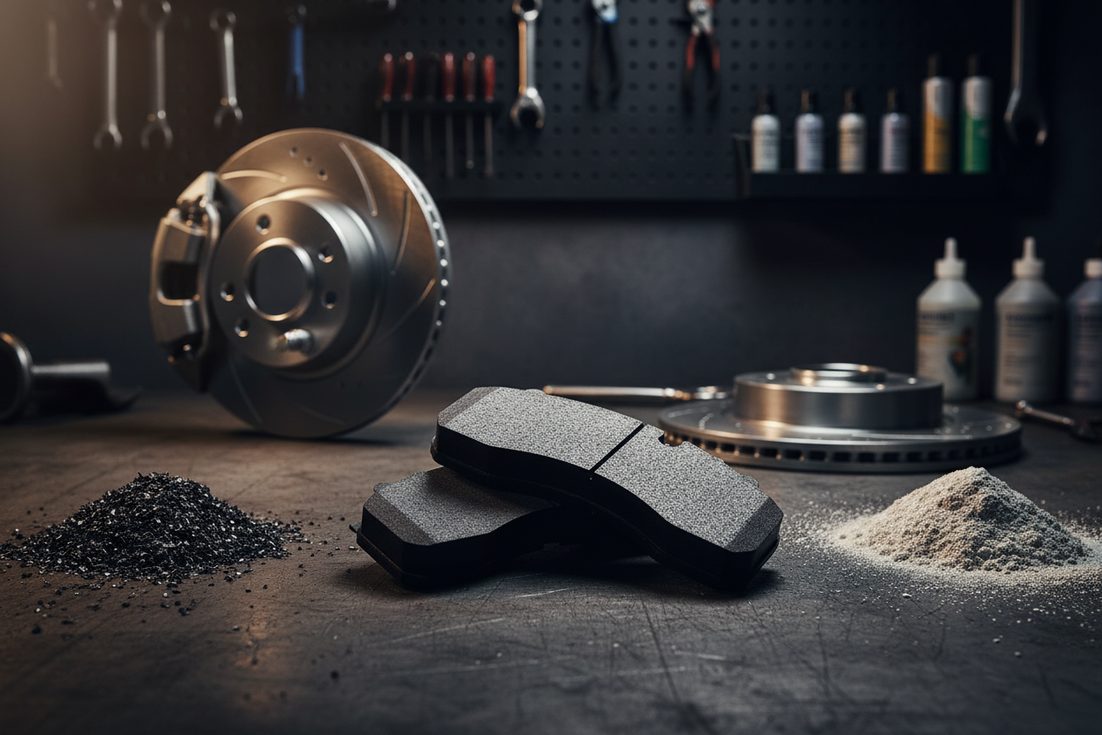
If you're sourcing brake pads for your regional market, you've likely faced the ceramic versus metallic debate. It's not just a technical choice; it's a strategic business decision that impacts inventory, customer satisfaction, and your bottom line. The global ceramic brake pad market is projected to grow at a CAGR of over 5.2% through 2030, driven by rising consumer demand for cleaner, quieter braking. But does that mean you should pivot your entire inventory? Let's cut through the noise and look at the data, trends, and real-world application gaps that create opportunities for smart distributors.
Market Dynamics: Where's the Real Growth?
You can't stock what won't sell. Understanding regional preferences is key. In North America and Western Europe, ceramic pads now command over 40% of the aftermarket passenger car segment. Why? Urban drivers hate brake dust. They're willing to pay a 15-25% premium for pads that keep their alloy wheels clean. In contrast, price-sensitive markets and regions with heavy commercial traffic still rely heavily on semi-metallic formulations for their durability and heat tolerance.
But here's the twist: the commercial vehicle sector is the next frontier. Fleet operators are increasingly aware of total cost of ownership. While initial cost matters, they're calculating downtime, wheel cleaning labor, and rotor wear. A high-quality ceramic formulation for light commercial vehicles can offer a compelling value proposition by extending service intervals and reducing maintenance hassles. Have you evaluated your C.V. brake pad range with this in mind?
Performance Under the Microscope: Beyond Marketing Claims
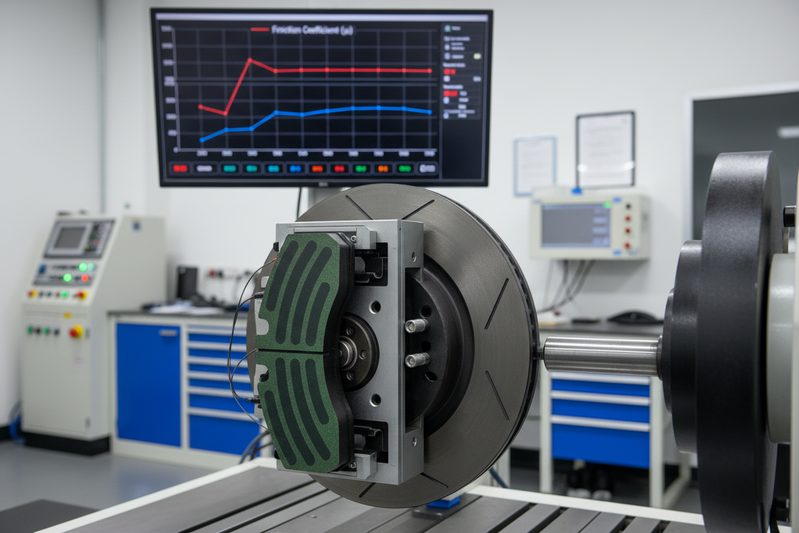
Every manufacturer talks about performance, but what does the test data say? We've run comparative tests in our IATF 16949 certified facility for years. The performance gap isn't about one being universally "better"; it's about being right for the application.
- Friction Stability: Premium ceramic pads maintain a more consistent coefficient of friction (μ) across a wider temperature range (100°C to 350°C). This translates to predictable pedal feel for the driver, whether in stop-and-go traffic or on a mountain descent. Metallic pads can offer higher initial bite at very high temperatures, but may exhibit more fade if the formulation isn't top-tier.
- Rotor Wear: This is a major hidden cost. Quality ceramic pads are inherently brake rotor friendly. Their abrasive materials are finer, leading to less wear on the disc. Our tests show a 20-30% reduction in rotor wear rates compared to standard semi-metallic pads. That's a selling point you can take straight to repair shops and fleet managers concerned with brake maintenance cost analysis.
- Noise & Dust: It's not just about cleanliness; it's about warranty claims. Ceramic pads produce up to 90% less visible dust and operate with significantly lower noise. This directly reduces comebacks for installers. A quiet, dust-free braking experience is what modern consumers expect.
The Distributor's Dilemma: Inventory, Pricing, and Positioning
Stocking both lines doubles your SKUs. So how do you decide? Analyze your customer base. Are you supplying independent garages serving luxury sedans, or workshops focused on trucks and taxis? The answer dictates your mix.
Positioning is everything. Don't just sell a ceramic pad; sell a solution. Market it as the low noise brake pads option for noise-sensitive customers, or the long lasting brake pads choice for high-mileage drivers. For metallic pads, emphasize performance under load, cost-effectiveness for older vehicles, and compatibility. Having clear, honest understanding brake pad materials guides for your customers builds immense trust.
Consider BAIYUN Brake's approach. We don't see it as an either/or. We engineer both types to meet strict ECE R90 standards, ensuring that whether a distributor chooses our ceramic or metallic line, they're getting a product backed by 49+ years of formulation expertise. This consistency is what protects your brand reputation.
Quality Signals: Why Certification Isn't Optional
In a crowded market, certifications are your shortcut to credibility. For ceramic pads, especially, ECE R90 certification is non-negotiable for European markets. It's a legally required stamp that verifies performance matches the vehicle's original equipment. Selling uncertified pads might save a few dollars per set, but it exposes you and your customers to liability and performance failures.
IATF 16949 certification for the manufacturing facility, which BAIYUN Brake holds, is another critical signal. It means every batch undergoes rigorous control, from raw material inspection to final performance testing. This level of quality assurance eliminates the batch-to-batch variation that can plague distributors. Can you afford the customer complaints if one shipment performs differently from the last?
Future-Proofing Your Product Line
Electric and hybrid vehicles are changing the game. They're heavier and use regenerative braking, which creates unique challenges. Ceramic formulations are often better suited here—they handle the lower operating temperatures of regen systems and produce less conductive dust that can interfere with wheel speed sensors. If your market is seeing an EV influx, your ceramic inventory needs to be ready.
Staying ahead means partnering with a manufacturer that invests in R&D. Ask your supplier about their testing protocols for new vehicle platforms. Can they provide passenger car brake pad test report data? At BAIYUN, our technical center continuously refines formulations to meet these evolving demands, ensuring our partners' catalogs aren't left behind.
FAQ for Brake Pad Importers & Distributors
Q: For a new market with mixed vehicles, should I lead with ceramic or metallic pads?
A: Start with a balanced portfolio, but lean into education. Offer both, but train your sales team on the applications. Lead with ceramic for passenger cars (especially newer models and premium brands) and semi-metallic for heavy-duty applications and price-sensitive segments. Providing a clear brake pad catalog PDF with application guides is invaluable.
Q: The price difference is significant. How do I justify ceramic pads to cost-conscious buyers?
A> Frame it as total cost, not unit cost. Highlight the extended rotor life, near-zero dust (saving wheel cleaning time/money), and reduced noise-related comebacks for installers. For fleets, even a small reduction in vehicle downtime adds up fast.
Q: How can I verify the quality of a ceramic brake pads manufacturer in China before placing a large order?
A> Demand proof. Request audit reports for IATF 16949 and ECE R90 certificates. Ask for sample test reports against SAE or ISO standards. A reputable manufacturer like BAIYUN Brake will provide these transparently. Always consider a factory audit or virtual tour—seeing the manufacturing facility speaks volumes.

The choice between ceramic and metallic isn't about finding a winner. It's about matching the right tool to the job—and to your specific market demands. A diversified, well-informed inventory strategy, backed by a technically proficient manufacturer, is how you build a resilient and profitable brake business.
Ready to refine your brake pad lineup with a reliable partner? Get in touch with our team at BAIYUN Brake. We'll provide detailed specifications, test data, and competitive pricing for both our ceramic and metallic lines, helping you make the smartest choice for your market.
Was this article helpful?
Average Rating: 5/5 (1566)