Centric Parts Unveils Next Generation PQ PRO Disc Brake Pads – aftermarketnews.com
Summary:
Centric Parts Unveils Next Generation PQ PRO Disc Brake Pads - aftermarketnews.com is an industry announcement that commercial vehicle fleet buyers and distributors should treat as a friction material benchmark. The Centric PQ PRO line uses application-specific compounds and a Mu500 coating to address cold bite, fade, and noise. For BAIYUN Brake customers, the real lesson is supplier verification, not brand switching. Fleet managers should request ECE R90 homologation, SAE J2522 dynamometer data, and batch consistency proof before placing orders. This article covers supplier qualification, certificate checks, WVA reference handling, MOQ and lead time considerations, and a buyer verification checklist. BAIYUN Brake, an IATF 16949 and ECE R90 certified Chinese brake pad and lining manufacturer, supports distributors and maintenance teams with technical documentation and export support.
Centric Parts Unveils Next Generation PQ PRO Disc Brake Pads - aftermarketnews.com
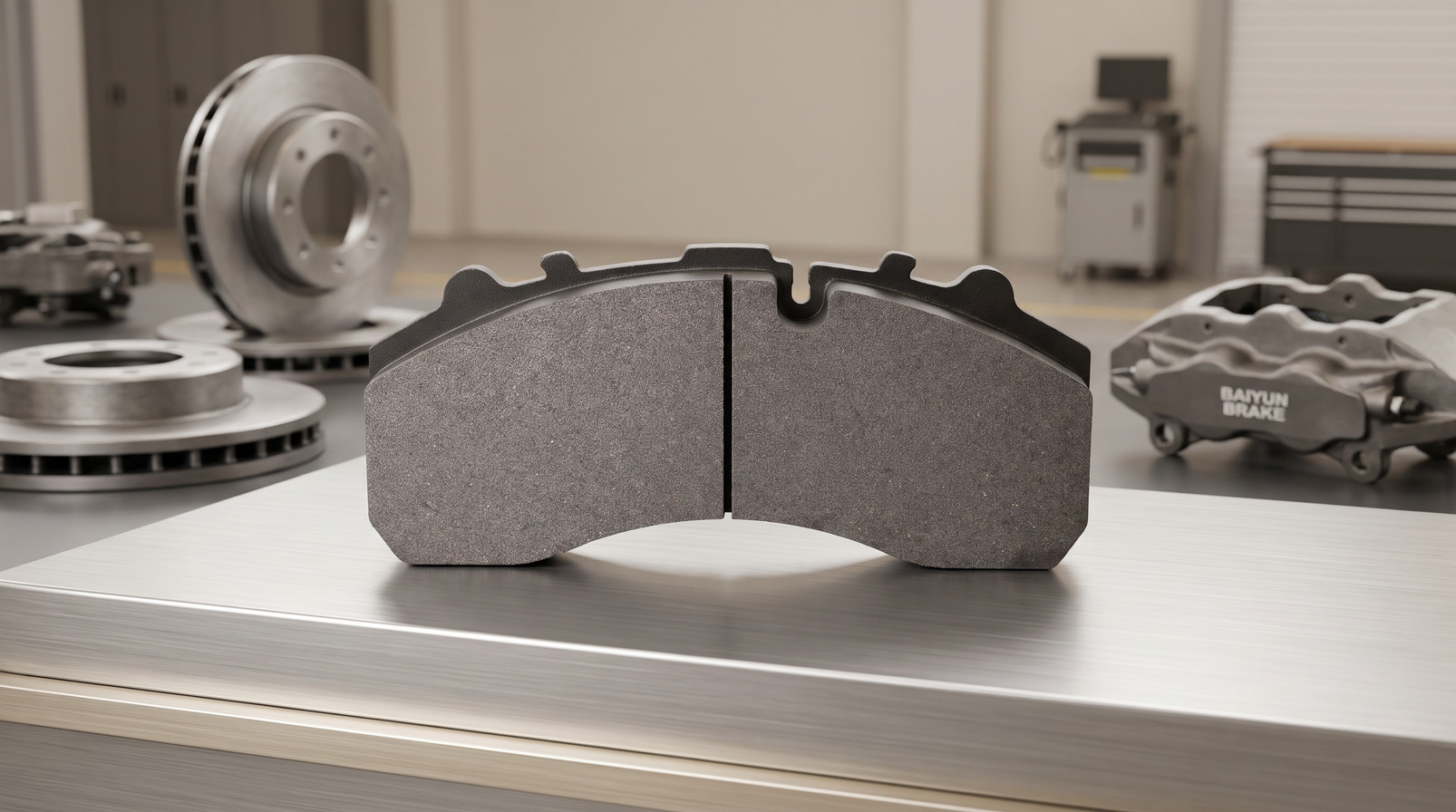
Quick answer: Centric Parts has introduced its next-generation PQ PRO disc brake pad line, with application-specific friction compounds and a Mu500 coating for faster cold bite. For commercial vehicle fleet buyers, distributors, and maintenance teams, the real story is supplier verification. Don't chase the Centric brand name. Chase the test data behind the claims. If your current truck brake pad supplier can't show ECE R90 approval, SAE J2522 dynamometer results, and batch-level friction consistency, it's time to compare alternatives. BAIYUN Brake treats those documents as standard, not optional.
Fleet Buyers Shouldn't Ignore This Launch
A delivery fleet running 80 trucks can lose several thousand dollars a day if brake-related downtime hits more than two or three vehicles at once. Brake pads are small parts with outsized operational impact. In commercial vehicle brakes, pads may look interchangeable but they are not. Centric Parts' PQ PRO announcement sounds like a product launch, but underneath it's a statement about friction material direction: one generic pad formula no longer satisfies professional technicians.
That matters whether or not you ever purchase Centric Parts. If you source commercial vehicle brake pads for mixed-duty fleets, customers will start asking the same questions this launch pushes to the front. Can your pads cold bite on a loaded refuse truck? Will they stay quiet on a coach? Can you show the paperwork?
What Does the PQ PRO Launch Actually Claim?
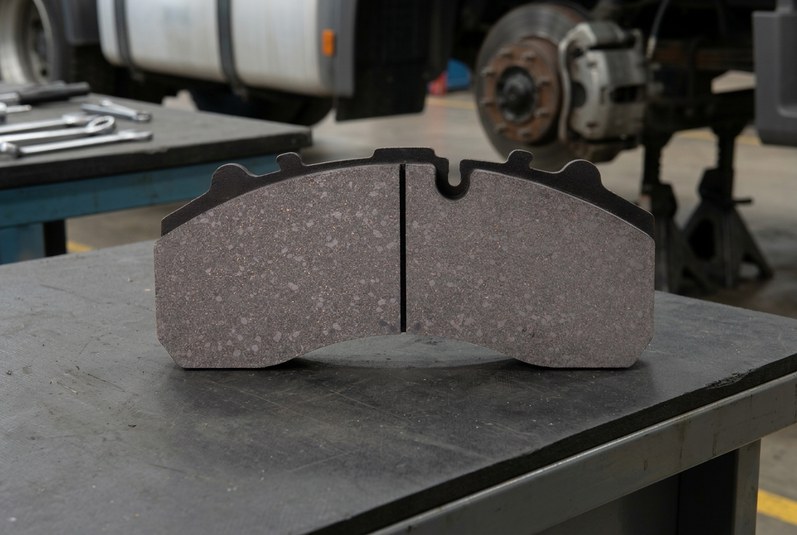
Centric's product announcement references three persistent service complaints: brake fade, weak initial response, and excessive noise. The company's answer is the Mu500 friction coating plus application-specific compounds. The idea is simple enough. A transfer film builds quickly on the rotor, so the driver feels predictable stopping power in the first few applications.
Commercial vehicle maintenance managers often call this the loading dock test. A tractor-trailer backing into a bay with cold brakes needs immediate, repeatable response. If the pad needs 15 hard stops before it works well, the driver notices. So does the safety manager.
How Should Distributors Read the Aftermarket News Angle?
If you sell aftermarket brake parts to fleets, the PQ PRO launch gives you a comparison framework. You can hold any supplier to the same standard Centric is advertising. Ask for evidence that the friction compound was engineered for a specific duty cycle, not taken from a shared library of generic formulas.
Here's a reality check. The commercial vehicle aftermarket is crowded with suppliers that offer one friction code for everything from a bus to a trailer. That's easier on inventory, but it hides risk. A fleet running heavy axle loads and low-speed stop-and-go patterns will wear a generic pad differently than a highway tractor.
Would you accept an engine oil that claims to work identically in a light delivery van and a 13-liter truck engine? Brake friction deserves the same scrutiny. For heavier drum brake applications, the same discipline applies to commercial vehicle brake linings.
Certification Reality: ECE R90 and IATF 16949 Are Entry Tickets
Some buyers still treat ECE R90 as a nice-to-have. In commercial vehicle applications, it's the minimum. ECE R90 requires replacement brake pads to perform within a defined band of the original equipment reference under cold, speed, and fade testing. If a supplier can't produce the homologation number for the exact part number you're importing, walk away.
Factory quality matters just as much. IATF 16949 isn't a marketing badge; it drives production process control, traceability, and defect prevention. BAIYUN Brake maintains IATF 16949 and ISO 9001 certification, and our quality assurance process covers incoming raw materials through final inspection. That's not a slogan, it's the only way to keep batch-to-batch friction stable.
When you ask for test data, don't accept a one-page brochure. Ask for the specific SAE J2522 or ECE R90 Annex 3 report with temperature and friction coefficient plotted. GB 5763 results can support the file, but your import market usually decides which standard must be on paper.
Where BAIYUN Brake Fits Into This Conversation
We're not going to pretend the Centric news is about us. It isn't. But the same engineering problems drive our commercial vehicle product development. For 49+ years, why choose BAIYUN Brake as a supplier? Because we build heavy-duty brake pads and linings around application, axle load, and duty cycle.
If you need WVA cross-reference numbers, we provide them after checking your target application. Specific part dimensions and reference codes are not one-size-fits-all. Confirm with supplier catalogue. That's the honest answer, not a guess.
Our commercial vehicle range covers trucks, buses, trailers, and port logistics vehicles. We also supply brake lining installation guide documentation and after-sales technical support.
MOQ, Lead Time, and Import Logistics: What to Expect
When you move from a local warehouse to direct factory sourcing, three numbers drive the conversation: minimum order quantity, production lead time, and freight cost per axle set. Commercial vehicle brake pad orders vary by part mix and destination. We don't quote one universal MOQ because a distribution container with 40 part numbers is different from a single fleet SKU. Confirm with supplier catalogue.
Ask for blank packaging, private label capability, and palletization specs before you commit. BAIYUN Brake supports OEM/private label orders and can advise on sea freight consolidation for Middle East, Africa, Southeast Asia, and Latin America markets. Our export team usually responds to a complete part list with pricing and lead time within seven working days.
Supplier Evaluation Table for Fleet Brake Pads
| Evaluation Area | What PQ PRO Launch Highlights | Questions for Your Supplier |
|---|---|---|
| Friction coating | Mu500 coating claims cold bite improvement | Can you supply SAE J2522 test data for initial friction after 50 or 100 stops? |
| Application-specific compounds | Different materials for different duty cycles | Do you offer separate formulations for bus, refuse, trailer, and line-haul applications? |
| Noise and vibration | Reduced noise targets | What is your typical noise score under SAE J2521? What shims or chamfers do you use? |
| Certification | Aftermarket acceptance | Do you hold ECE R90 approval for the exact part numbers we import? |
| WVA reference | Cross-reference identification | Can you provide WVA reference numbers and cross-reference sheets? Confirm with supplier catalogue. |
Buyer Verification Checklist Before You Switch Suppliers
Use this checklist when you compare a new truck brake pad supplier against your current source. Don't skip the documents.
- Certificate check: Request ECE R90 homologation number and test report for each part family.
- Factory audit: Confirm IATF 16949 or ISO 9001 certificate is current and covers the production site, not only a group office.
- Dynamometer data: Ask for SAE J2522 or ECE R90 Annex 3 results across cold, fade, and recovery sections.
- Friction coefficient range: Verify the friction level matches your fleet duty cycle; line-haul trucks need a different μ profile than city buses.
- Batch consistency: Ask how the supplier controls raw material batches and finished pad thickness tolerance.
- Wear life: Request third-party or flat-surface wear test data for your typical axle load and brake temperature range.
- After-sales documentation: Confirm installation guides, WVA reference sheets, and complaint-handling SLA.
Fleet Buyer FAQs on the Centric PQ PRO Launch
Q: Is BAIYUN Brake affiliated with Centric Parts or APC Automotive Technologies?
A: No. BAIYUN Brake is an independent Chinese brake pad and brake lining manufacturer. We share this industry update because the PQ PRO launch highlights friction compound and certification expectations that matter to fleet parts buyers.
Q: Does the PQ PRO launch mean I should switch from my current commercial vehicle brake pad supplier?
A: Not automatically. Use the announcement as a checklist. If your current supplier can match application-specific friction data, ECE R90 documents, and batch consistency, there is no reason to switch. If they can't, you should compare alternative sources.
Q: What should I ask a truck brake pad supplier before placing a container order?
A: Ask for ECE R90 homologation by part number, SAE J2522 or ECE R90 Annex 3 dynamometer results, the friction coefficient range, IATF 16949 certificate validity, and MOQ/lead time. Confirm WVA reference numbers with supplier catalogue.
Q: Why does application-specific friction matter for commercial fleets?
A: A city bus and a refrigerated trailer run different brake temperatures and duty cycles. Using one generic compound can cause early fade or aggressive rotor wear. Application-specific pads balance friction level, wear rate, and noise across the actual job.
Q: Can BAIYUN Brake provide commercial vehicle brake pads with similar performance claims to PQ PRO?
A: We can provide heavy-duty commercial vehicle brake pads and linings with ECE R90 homologation and application-specific formulations. We don't copy Centric's product. Request a quote and we will provide technical data for your fleet application.
Final Take for Fleet Buyers and Distributors
Centric's PQ PRO launch is a signal, not a surprise. The brake aftermarket keeps moving toward ECE R90 compliance, application-specific friction, and easier bedding-in. If you're holding inventory of commercial vehicle brake pads, don't wait for your customers to ask for test documents.
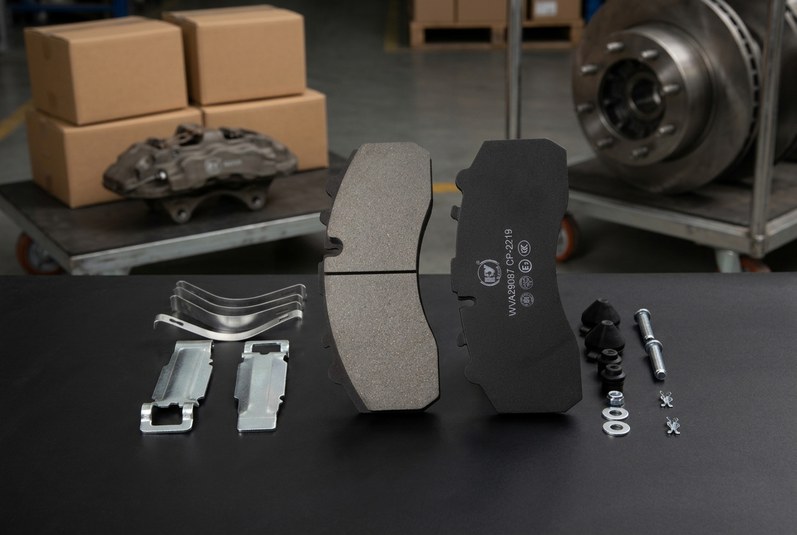
Compare your current supplier against the checklist above. If there's a gap, get a second option. At BAIYUN Brake, we supply request OEM commercial vehicle brake pad quote and commercial vehicle brake linings for distributors and fleets across 40+ countries. Our IATF 16949 and ECE R90 documentation is available for every serious inquiry.
Ready to check your specs? Request a wholesale quote and send us your target part numbers, WVA references, and monthly volume. Our export team will respond with catalog data, lead times, and compliance documents.
For manufacturer and company information, see About BAIYUN.
Was this article helpful?
Average Rating: 5/5 (212)