
Brake Pads for Electric Vehicles: Special Requirements and Best Choices
Summary:
Brake pads for electric vehicles have special requirements due to regenerative braking, demanding formulations that resist corrosion during disuse and provide consistent performance. As a leading EV brake pads supplier from China, BAIYUN Brake engineers pads to meet the unique NVH and thermal cycling challenges of EVs, ensuring safety and longevity for importers and distributors worldwide.
Brake Pads for Electric Vehicles: Special Requirements and Best Choices
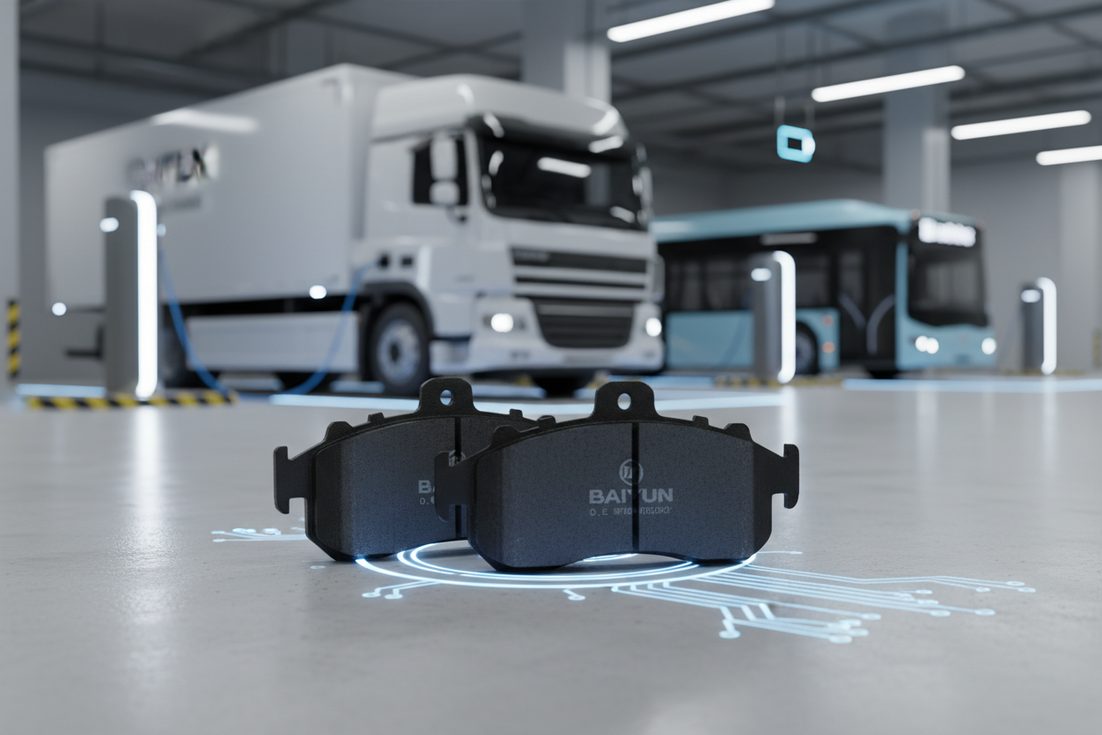
If you're sourcing brake components for the EV market, you've probably heard the myth: electric vehicles barely use their brakes, so pad quality doesn't matter. That's a dangerous assumption for any importer or distributor. While regenerative braking does reduce overall wear, it creates a unique, punishing environment for friction materials. The pads you choose directly impact your customers' safety, your warranty claims, and your brand's reputation. Getting it wrong isn't an option.
Let's cut through the noise. The global EV brake pad market is projected to grow at a CAGR of over 18% through 2030, but not all suppliers are ready for its technical demands. A distributor sourcing 10,000 sets annually can't afford pads that corrode from disuse or generate excessive noise during the infrequent, high-pressure stops that characterize EV driving. The right supplier understands that EV brake pads aren't just regular pads with a different label; they're a specialized product engineered for a different duty cycle.
Why EV Brake Pads Face a Different Kind of Wear
Regenerative braking changes everything. In many driving scenarios, it handles up to 90% of deceleration, recapturing energy. This sounds great for pad longevity, and it is—up to a point. The problem is what it leaves behind. Conventional pads are designed for frequent, moderate use that keeps friction surfaces clean and conditioned. EV pads can sit idle for days or weeks, exposed to moisture and road salts, only to be called upon for a sudden, high-energy stop. This cycle of inactivity followed by intense demand is a recipe for corrosion, glazing, and inconsistent performance.
Think about a taxi fleet operator switching to EVs. The vehicles are in constant use, but the friction brakes might only engage a few times per shift during hard stops or low-speed maneuvers. The pads never get hot enough to burn off surface contaminants, leading to noise and vibration issues that drivers will complain about. You need a pad formulation that resists this low-temperature glazing.
The Critical Technical Specs for EV Brake Pads
Forget generic performance claims. When evaluating an EV brake pad supplier, you need to ask for specific data tied to this unique application. Low dust and low noise (NVH) are table stakes for the premium EV market. But the real differentiators are often found in the details of thermal management and material science.
Optimal friction materials for EVs typically use low-metallic or advanced ceramic formulations. These composites, often with 10-30% steel fibers, are engineered to handle infrequent high-intensity thermal events without fading. More importantly, they're designed to resist the surface corrosion that occurs during extended periods of inactivity. A high-quality EV pad will maintain a stable friction coefficient (μ) between 0.35 and 0.45 across a wide temperature range, even if that range is only accessed occasionally.
Certifications are your safety net. An IATF 16949 certified facility isn't just a badge; it's a guarantee of process control essential for batch-to-batch consistency. ECE R90 certification, while not exclusively for EVs, validates that the pads meet stringent performance and safety benchmarks under defined test conditions—a must for any serious importer serving regulated markets.
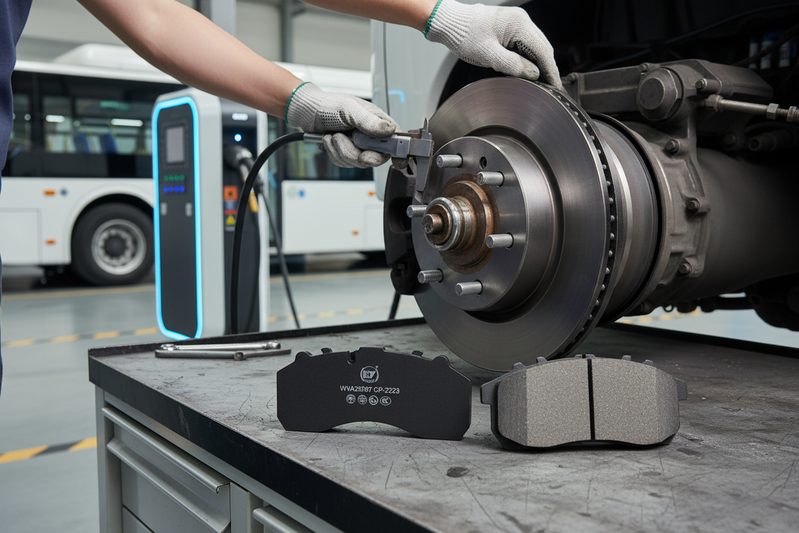
How Regenerative Braking Impacts Your Sourcing Strategy
Your buyers might expect EV pads to last 2-3 times longer than ICE vehicle pads. That's a reasonable marketing angle, but it changes your business model. If replacement cycles are longer, each sale carries more weight. A single batch of subpar pads that fail prematurely won't just result in a return; it could lose you a fleet customer for years. The cost of a warranty claim on a rarely-used but safety-critical component is disproportionately high.
This makes your choice of manufacturing partner more critical than ever. You need a supplier with deep R&D investment, not just a production line. They should be testing pads specifically for the "corrosion-wear" cycle, not just standard dynamometer sequences. Ask for their passenger car brake pad test report and look for data on performance after environmental conditioning (like salt spray tests) that simulates long periods of disuse.
Frankly, the slight price premium for pads from a supplier with this dedicated EV focus is easily justified. It protects your margins by preventing costly returns and protects your brand by ensuring customer safety. A detailed brake maintenance cost analysis for your clients will show them that premium pads offer a lower total cost of ownership, even with the extended lifespan.
Selecting the Right EV Brake Pad Supplier: A Buyer's Checklist
Don't get dazzled by factory size alone. When auditing a potential partner like BAIYUN Brake for your EV pad needs, drill down into their technical capabilities. Here’s what matters:
- Material Formulation: Do they offer dedicated low-metallic or ceramic lines for EV/HEV applications? Can they explain the anti-corrosion additives in their mix?
- Testing Protocols: Beyond standard ECE R90 tests, do they perform specific NVH (Noise, Vibration, Harshness) testing tailored to the quiet cabin of an EV? Can they provide data on friction stability after thermal cycling that mimics regenerative braking patterns?
- Technical Support: Do they provide more than a catalog? Look for a technical support center with application guides and access to engineers who understand EV dynamics.
- Supply Chain Transparency: Can they trace raw materials? Consistency in friction material is non-negotiable, and it starts with controlled sourcing.
BAIYUN Brake, with over 49 years in friction material development, has adapted its lines for new energy vehicles. This isn't about rebranding old products; it's about leveraging decades of compounding expertise to solve new problems like pad corrosion from disuse. Their experience is a tangible asset for distributors who can't afford to be their supplier's learning curve.
FAQ for Importers and Distributors
Q: Do EVs really need different brake pads, or is this just marketing?
A: It's a genuine technical requirement. The duty cycle is fundamentally different—long periods of inactivity followed by high-demand stops. Standard pads can corrode, glaze, or perform inconsistently in this environment, leading to noise and safety concerns. Dedicated EV formulations address these issues.
Q: What's the realistic lifespan difference between EV and ICE brake pads?
A: While it varies by driving style, EV pads can last 2 to 4 times longer in terms of mileage. However, time-based degradation from corrosion becomes a bigger factor. A quality EV pad is engineered for this, but we still recommend inspection every 2 years regardless of mileage.
Q: How do I communicate the value of premium EV pads to my customers who expect lower maintenance costs?
A> Focus on total cost of ownership and risk mitigation. Premium pads prevent costly comebacks for noise issues, protect expensive rotors from corrosion-related damage, and ensure reliable performance during the rare emergency stop. It's insurance for a vehicle's most critical safety system. Provide them with a brake pad catalog PDF that highlights the EV-specific features.
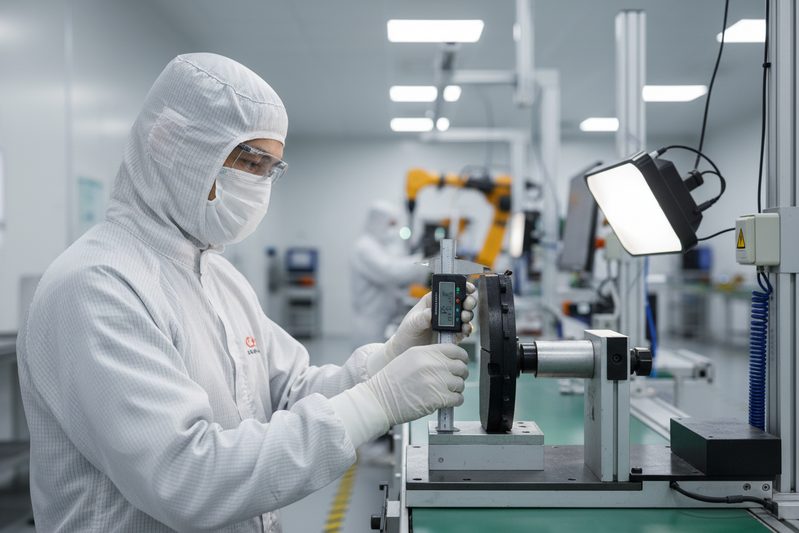
The shift to electric vehicles isn't just changing what's under the hood; it's redefining every component, including the brakes. For distributors, this is a chance to move up the value chain. You're no longer just selling a wear item; you're providing a specialized safety component for a high-tech vehicle. Partnering with a manufacturer that gets the nuances—the corrosion resistance, the NVH requirements, the unique thermal cycles—is how you build a defensible, profitable business in the EV aftermarket.
Sourcing from a factory that merely follows standards isn't enough. You need one that actively engineers for the new reality of regenerative braking. The right pads will keep your customers safe, protect your brand from warranty nightmares, and turn the extended service life of EV components from a revenue challenge into a trust-building advantage.
Ready to source EV brake pads engineered for real-world conditions? Contact BAIYUN Brake to discuss your requirements, request samples, and access technical data from a supplier with the certifications and R&D depth to be your long-term partner in the electric vehicle market.
Was this article helpful?
Average Rating: 5/5 (2078)