
Brake Noise: 7 Root Causes and How Premium Brake Pads Solve Them
Summary:
Brake noise complaints destroy profitability for importers and distributors. Sourcing true noise-free brake pads from a low NVH manufacturer requires understanding the 7 root causes—from friction material inconsistency to poor shim design. This guide explains each cause and how premium engineering solves them, protecting your brand from costly returns.
Brake Noise: 7 Root Causes and How Premium Brake Pads Solve Them
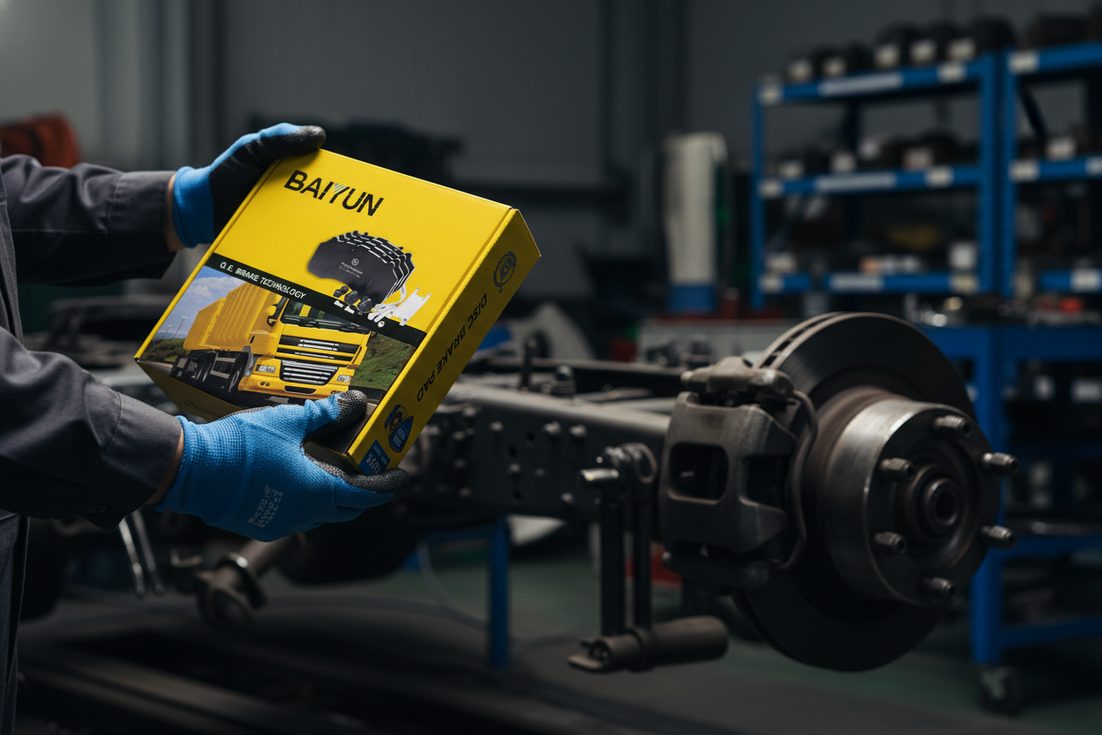
You've probably had the call. A distributor's customer complains about a high-pitched squeal every time they brake. It's not just an annoyance; it's a warranty claim waiting to happen and a direct hit to your brand's reputation for quality. Noise, vibration, and harshness (NVH) account for over 60% of consumer complaints after a brake job, according to industry service data. For importers and wholesalers, that translates directly into returns, costly support calls, and lost future business. The root of the problem often isn't installation—it's the friction material and pad construction itself.
Understanding the technical causes of brake noise is the first step to sourcing products that prevent it. Let's break down the seven most common culprits and examine how a manufacturer focused on low NVH designs their noise-free brake pads to deliver a quiet, reliable product for your market.
1. What Causes That Infamous High-Frequency Squeal?
That piercing squeal you hear at low speeds is usually a stick-slip phenomenon. The pad material and rotor surface enter a cycle of grabbing, releasing, and vibrating at a high frequency—often between 1-16 kHz, which is squarely in the range human ears find most irritating. A primary driver is an inconsistent friction coefficient. If the pad's friction level fluctuates wildly with temperature or pressure, it can't maintain smooth contact. Premium formulations use stabilized, understanding brake pad materials like advanced ceramics or low-metallic compounds that deliver a linear friction curve. This consistency prevents the grab-and-release cycle before it starts.
2. How Does Pad Vibration Turn into Audible Noise?
Even with good friction material, the entire brake pad assembly can vibrate like a tuning fork when pressed against the rotor. This is where backing plate design and anti-noise features become critical. A flimsy backing plate amplifies vibration. Manufacturers committed to quiet braking use rigid, high-grade steel plates, often with integrated chamfers and slots. Chamfers (angled edges on the pad) prevent the leading edge from digging in, while slots help vent gas and break up resonant frequencies. It's a simple design choice with a massive impact on brake NVH performance.
3. Why Do Shims and Coatings Make Such a Big Difference?
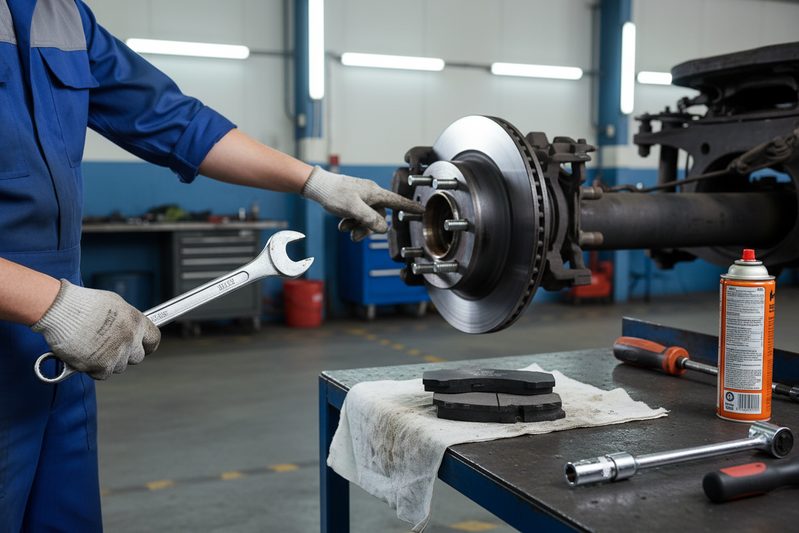
Think of brake pad shims as a dedicated noise insulation system. They're a multi-layer barrier—typically stainless steel with a viscoelastic adhesive layer—sandwiched between the pad's backing plate and the caliper piston. Their job is to dampen vibrational energy, converting it into a tiny amount of heat instead of sound. Not all shims are equal. Premium pads use shims with precise thickness and adhesive quality; cheap pads often use flimsy, poorly adhered shims or skip them entirely. An anti-noise coating on the backing plate serves a similar purpose, adding a layer of damping material and sometimes lubricant to minimize caliper contact noise.
4. Can the Pad Itself Cause Rotor Vibration and Judder?
Absolutely. Brake judder—that pulsating feel through the pedal or steering wheel—is often linked to disc thickness variation (DTV). While improper rotor machining or wear plays a role, the pad material is a key contributor. Abrasive, low-quality friction compounds can wear the rotor unevenly, creating high and low spots. Premium, rotor-friendly formulations are engineered for balanced wear. They achieve effective braking without being overly aggressive on the rotor surface. This extends the life of the entire brake system, a major selling point for cost-conscious fleets and consumers. You can find detailed analysis on total system costs in our brake maintenance cost analysis.
5. What Role Does Friction Material Play in Noise Generation?
The recipe matters. Metallic pads, while durable and heat-resistant, are notoriously louder due to their high metal content scraping against the rotor. Semi-metallic pads offer a compromise. Organic pads are quieter but can fade. The gold standard for low NVH in many passenger vehicle applications is the ceramic compound. Advanced ceramic formulas, like those developed by BAIYUN Brake, blend ceramic fibers, non-ferrous fillers, and bonding agents to create a material that's inherently quieter, produces less dust, and is easier on rotors. The choice isn't one-size-fits-all; it's about matching the material to the vehicle's performance envelope and your market's noise sensitivity.
6. How Does Manufacturing Consistency Prevent Noise Issues?
Inconsistent density or curing in the friction block creates hard spots. These spots have a different friction coefficient than the surrounding material, leading to grabby, noisy operation. Precision manufacturing is non-negotiable. At our IATF 16949 certified facility, we use automated batch mixing and controlled press cycles to ensure every pad in a lot has identical composition and density. This level of consistency, backed by quality assurance protocols, is what prevents the random noise complaints that plague lines with poor process control. A distributor sourcing 500 sets monthly can't afford batch-to-batch variation.
7. Is Thermal Management Linked to Noise?
Indirectly, yes. Pads that overheat easily experience fade, but they can also undergo surface glazing. This glazed layer is hard and shiny, creating a poor interface with the rotor that often squeals. Premium pads incorporate materials like copper flakes (within regulated limits) or synthetic graphite to improve thermal conductivity, pulling heat away from the friction surface. This maintains a stable, optimal surface texture for quiet, effective braking. It's a feature often overlooked in budget pads but critical for performance in stop-and-go city traffic or mountainous regions.
Frequently Asked Questions for Brake Pad Buyers
Q: As an importer, how can I verify a manufacturer's claims about low NVH?
A: Ask for certified test reports. Reputable manufacturers like BAIYUN Brake can provide dynamometer test data showing friction coefficient curves (μ) and results from SAE J2521 or similar NVH bench tests. Look for consistency in the μ curve between 0.35-0.45. Also, check for passenger car brake pad test report documentation that validates performance claims.
Q: Are "quiet" brake pads a compromise on stopping power?
A: Not with a well-engineered product. Advanced ceramic and low-metallic formulations now achieve excellent cold bite (initial friction) and stable high-temperature performance while being quiet. The key is a balanced formula. ECE R90 certification is a good baseline, as it requires pads to maintain effectiveness across a temperature range, ensuring safety isn't sacrificed for comfort.
Q: What's the biggest cost-saving for me when sourcing low-noise pads?
A: The dramatic reduction in returns and warranty claims. The marginal extra cost per set for a premium, quiet pad is far less than the logistical expense, lost time, and damaged customer relationships from handling noise complaints. It protects your brand's reputation for quality, which drives repeat orders.
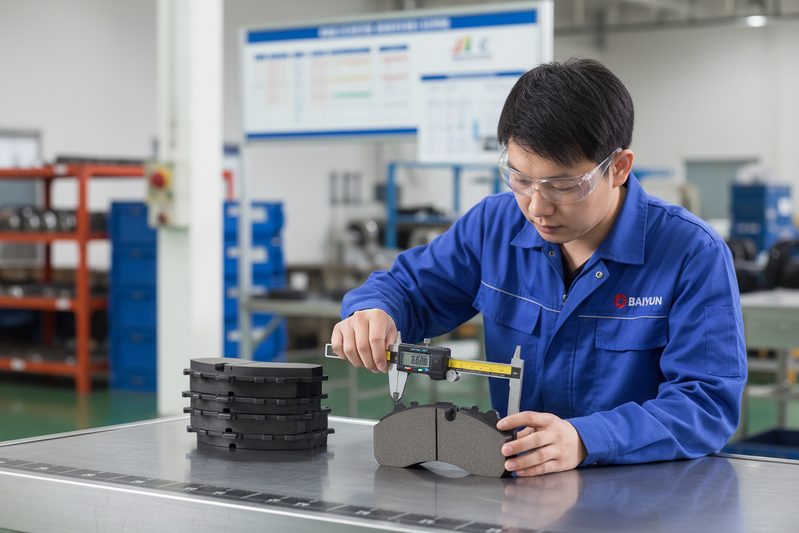
Sourcing the right brake pads is a strategic decision. Opting for a manufacturer that engineers out noise at the design stage—through material science, rigid construction, and integrated shims—saves you a mountain of operational headaches down the line. It turns a commodity purchase into a value-added offering for your customers. BAIYUN Brake builds this NVH-first philosophy into every line, from passenger car to C.V. brake pads, supported by nearly five decades of manufacturing expertise.
Ready to stock brake pads that won't come back with noise complaints? Request a quote today and ask about our low-NVH ceramic and semi-metallic formulations. Let's discuss how our certified, quiet brake pad solutions can strengthen your product lineup and your bottom line.
Was this article helpful?
Average Rating: 5/5 (1309)