
4WD Brake Pad Specifications: What Fleet Buyers Need to Know
Summary:
Understanding 4WD brake pad specifications is critical for fleet buyers and wholesalers sourcing SUV and pickup truck brake pads from China. This guide breaks down the key performance metrics, material formulations, and quality checks needed to ensure safety, reduce warranty claims, and capitalize on a growing market segment. Learn what separates a reliable wholesale partner from a risky one.
4WD Brake Pad Specifications: What Fleet Buyers Need to Know
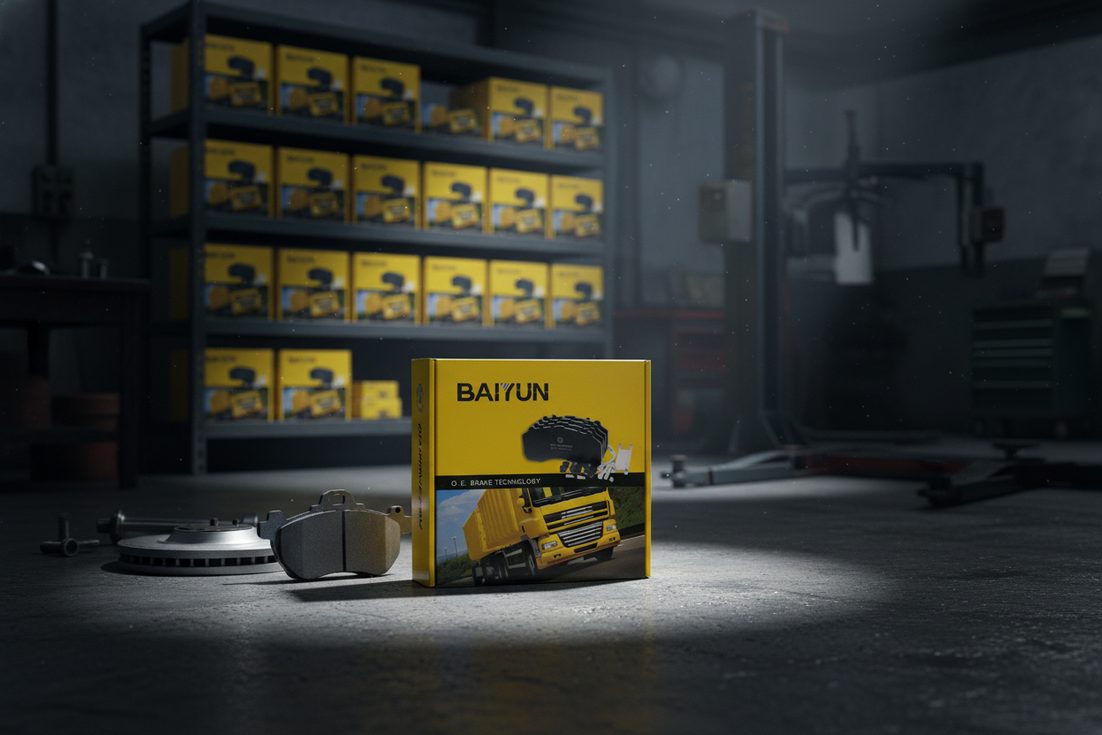
If you're sourcing brake pads for a fleet of SUVs and pickup trucks, you're not just buying parts. You're managing a critical safety component that directly impacts your total cost of ownership, vehicle uptime, and driver confidence. The global market for SUV and light truck brake pads is projected to grow at a CAGR of 4.7% through 2030, driven by rising vehicle parc and increased towing/hauling demands. That growth creates a significant opportunity for distributors who understand the technical nuances behind the part numbers.
So what separates a profitable, low-return line from a problematic one? It often comes down to specifications that go beyond the basic fit. Let's talk about what actually matters when you're placing a wholesale order for 500 or 5,000 sets.
Beyond Fitment: The Three Critical Performance Metrics for Heavy Loads
A brake pad that fits isn't a brake pad that performs. For 4WD vehicles routinely carrying payloads or towing trailers, three metrics dictate real-world success: friction coefficient stability, fade resistance, and wear rate under thermal stress.
Friction coefficient (μ) is the starting point. Original Equipment (OE) pads for a half-ton pickup might have a nominal μ of 0.38-0.42. But that's measured under controlled, moderate-temperature conditions. The real test happens on a mountain descent with a 3,000kg trailer. Here, pad temperatures can spike from 100°C to over 500°C in minutes. A pad with poor thermal stability will see its friction coefficient drop sharply—a phenomenon called brake fade. For towing applications, you need a formulation designed to maintain at least 80% of its cold performance up to 450°C.
That's where material selection becomes non-negotiable. While semi-metallic pads offer good initial bite and heat transfer, they can be harsh on rotors and noisy. Premium ceramic-carbon hybrid formulations, like those referenced in industry tests for "truck and tow" use, are engineered for this exact scenario. They blend ceramic stability with carbon fiber's ability to maintain friction at high temperatures, all while reducing dust and noise. When evaluating a supplier, ask for the dynamometer test report showing the μ-T (friction vs. temperature) curve. A flat, stable curve across the 100-450°C range is what you're looking for.
At BAIYUN Brake, our R&D team focuses on this exact challenge. Our formulations for SUV and pickup applications are tested to exceed ECE R90 requirements, ensuring consistent performance that fleet managers can rely on, batch after batch.
Decoding Material Formulations: Ceramic, Semi-Metallic, and Hybrid Options
You'll hear a lot of marketing terms, but the chemistry defines the capability. Let's break down the common options for the wholesale buyer.
Semi-Metallic Pads: These contain 30-65% metal (steel, iron, copper) by weight. They're generally cost-effective and have excellent heat dissipation, which helps prevent brake fluid boiling. The trade-off? They tend to wear rotors faster, can be noisy (especially when cold), and produce more conductive dust that can stick to wheels. For a fleet doing mostly urban deliveries with light loads, they might be a viable, budget-conscious option. But for severe duty, their fade resistance often falls short.
Low-Metallic NAO Pads: Non-Asbestos Organic pads with small amounts of metal (usually copper or steel) for thermal conductivity. They offer quiet operation and are rotor-friendly, but their weakness is a lower maximum operating temperature. They're not typically suited for sustained heavy braking.
Ceramic Pads: Made from ceramic fibers, non-ferrous filler materials, and bonding agents. They're the standard for low noise, low dust, and long life. Basic ceramic pads work well for passenger cars, but standard formulations can lack the ultimate bite and high-temperature performance needed for a loaded 4WD.
Ceramic-Carbon Hybrid (Severe Duty/Towing Formulations): This is the category gaining serious traction. By infusing a ceramic matrix with carbon fibers or other high-temp materials, engineers create a pad that retains ceramic's quiet, clean nature while dramatically boosting its hot friction stability. These are the pads specified in performance upgrade kits for trucks and SUVs. They cost more to produce, but for your customers who tow or carry heavy loads, they reduce the risk of fade-related comebacks and warranty claims. It's a classic case of the right tool for the job.
Understanding these differences lets you segment your catalog effectively. You can offer a reliable OE-equivalent semi-metallic for standard replacement and a premium ceramic-carbon hybrid for the performance/towing segment. To see how we formulate for different applications, you can explore our brake pad materials guide.
The Hidden Cost of Inconsistent Quality: Returns, Warranties, and Reputation
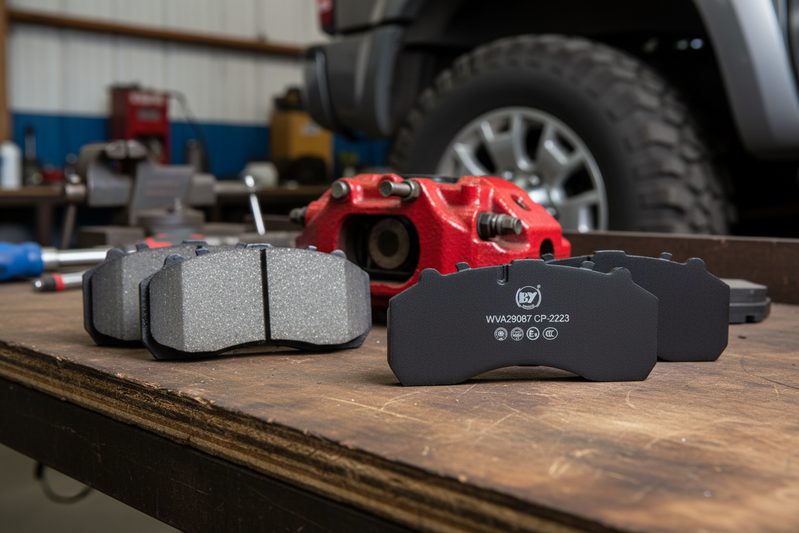
Price per set is easy to compare. The cost of failure is much harder to quantify, but it can erase your margin on an entire container. Inconsistent friction material is the prime culprit.
Imagine this: You import 1,000 sets of pads for a popular Ford F-150 model. 950 sets perform fine, but 50 sets from a specific production batch have a friction coefficient that's 15% lower than spec. They don't necessarily fail; they just feel "spongy" or require more pedal pressure. Your installers get complaints. Vehicles come back for re-checks. You now have a logistical nightmare of tracking batch numbers, processing returns, and managing frustrated customers. Your reputation for reliability takes a hit.
This is where a manufacturer's quality systems are your first line of defense. Certifications like IATF 16949 aren't just plaques on the wall. They mandate statistical process control (SPC), rigorous raw material inspection, and batch traceability. At our IATF 16949 certified facility, every batch of friction material is tested on a dynamometer against its performance specification before it's approved for production. This level of control is what prevents the "bad batch" scenario.
Frankly, the price difference between a certified and an uncertified supplier rarely covers the potential cost of a single quality incident. For a deeper look at how we ensure consistency, you can review our quality assurance processes.
Market Trends: Where is the 4WD Brake Pad Segment Heading?
The vehicles are getting heavier, and the demands are getting more extreme. The average curb weight of a new full-size SUV in the US has increased by over 12% in the last decade. Electric pickups like the Ford F-150 Lightning and Rivian R1T add another 700-1,000 kg of battery weight, all while boasting faster 0-60 mph times. This paradox—more mass, higher performance—puts unprecedented stress on braking systems.
For wholesalers, this creates two clear opportunities. First, there's a growing aftermarket for upgrade brake pads. Owners of these heavy, powerful vehicles quickly discover that standard replacement pads don't always restore the factory feel, leading them to seek out premium, high-performance formulations. Stocking a dedicated "Towing & Hauling" or "Severe Duty" line addresses this demand directly.
Second, the rise of electric and hybrid 4WDs changes wear patterns. Regenerative braking handles most daily deceleration, meaning the friction brakes are used less frequently but often more aggressively when needed. This can lead to corrosion buildup on rotors and a different wear profile. Pads for these applications need excellent corrosion resistance on the backing plate and friction material that performs reliably even after long periods of disuse.
Staying ahead means partnering with a manufacturer that's tracking these trends in their R&D. We've developed specific formulations to meet the unique needs of heavier modern vehicles, which you can find in our full product range.
FAQ for Wholesale Buyers and Distributors
Q: What's the minimum documentation I should require from a brake pad supplier for 4WD applications?
A: At a minimum, request a material data sheet with the friction coefficient (μ) across a temperature range (e.g., 100°C, 200°C, 300°C, 400°C) and the wear rate. A valid ECE R90 test report is a strong indicator of compliance with international performance standards. For due diligence, also ask for the IATF 16949 certificate and factory audit reports. You can download sample material data sheets here.
Q: How do I calculate the potential market size for a specific SUV/pickup brake pad part number?
A: Start with the vehicle production figures for the model years your part covers. Resources like IHS Markit or national vehicle registration databases provide parc data (vehicles in operation). Apply a conservative annual replacement rate—for heavy-use vehicles like fleets, this can be 18-24 months. For a popular model with 2 million units in operation, even a 5% market share translates to 50,000+ set opportunities annually.
Q: Can I mix and match pad formulations (e.g., ceramic front, semi-metallic rear) on the same vehicle?
A: It's strongly discouraged. Different formulations have different friction coefficients, wear rates, and temperature behaviors. Mixing them can upset the vehicle's brake balance, potentially causing the rear brakes to lock up prematurely or reducing overall stopping efficiency. Always install axle sets (both fronts or both rears) of the same formulation and specification.
Building a Profitable and Reliable Brake Pad Line
Succeeding in the SUV and pickup truck brake pad wholesale market isn't about finding the cheapest supplier. It's about finding the most competent one. The supplier that understands the physics of towing, invests in consistent manufacturing, and provides the technical data you need to sell with confidence.
Your customers—whether they're repair shops or fleet managers—rely on the parts you supply to keep heavy, expensive vehicles safe. The right brake pad specifications are your insurance policy against comebacks, warranty headaches, and reputational damage. They turn a transaction into a long-term partnership.
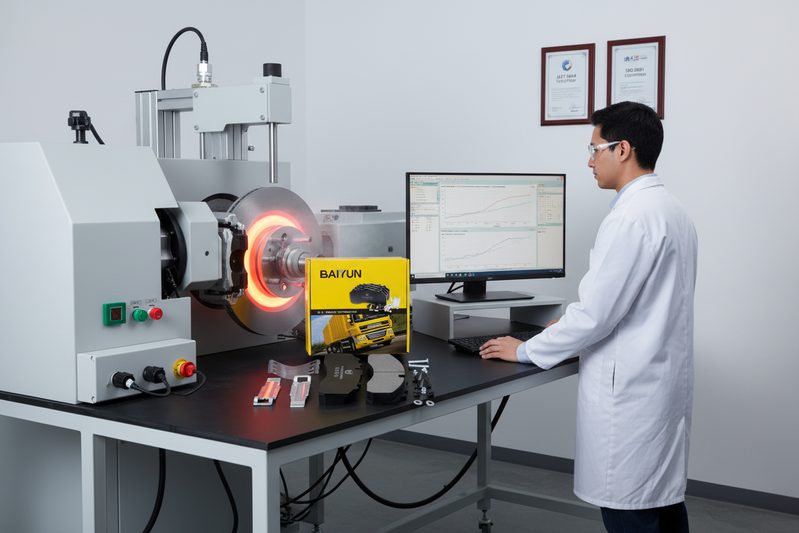
Look for a partner with the engineering depth to explain why their pad works, not just that it fits. Ask for the test data. Visit the factory if you can. In a market driven by performance and safety, that's how you build a sustainable advantage.
Ready to evaluate a reliable source for your 4WD brake pad needs? With over 49 years of manufacturing expertise and full IATF 16949 and ECE R90 compliance, BAIYUN Brake provides the technical specifications and batch consistency that fleet buyers require. Request a quote or ask for specific test data to see how our formulations meet the demands of heavy load braking.
Was this article helpful?
Average Rating: 5/5 (1260)