
Best Brake Pads for SUVs and Pickup Trucks: Performance Under Heavy Loads
Summary:
Finding the best brake pads for SUV and pickup truck wholesale from China requires a focus on high-temperature performance and durability under heavy loads. This guide for importers breaks down the critical material choices, performance metrics, and cost-saving strategies for sourcing reliable braking components that meet ECE R90 and IATF 16949 standards, ensuring safety and reducing warranty claims for your distribution business.
Best Brake Pads for SUVs and Pickup Trucks: Performance Under Heavy Loads
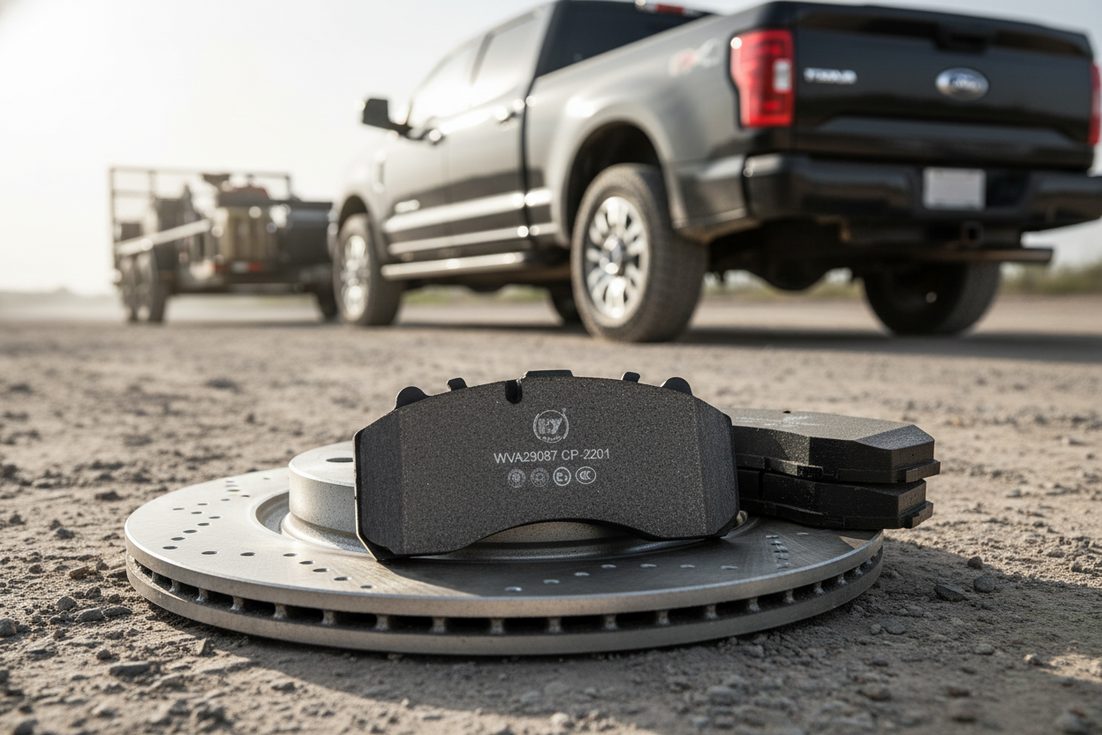
If you're sourcing brake pads for the SUV and pickup truck market, you know the stakes are different. These vehicles aren't just commuting; they're hauling trailers, navigating mountain passes, and carrying payloads that push braking systems to their limit. A distributor's reputation hinges on parts that don't just fit, but perform when it matters most. So what separates a profitable, reliable product line from one that leads to warranty claims and unhappy customers? It's not just about friction material; it's about engineering for real-world stress.
The global SUV and light truck aftermarket is projected to grow by over 5% annually through 2030, driven by vehicle parc expansion and increased towing and recreational use. That's a massive opportunity, but it's also a minefield of substandard parts. Brake fade, excessive wear under load, and noise complaints are the top three issues importers face with generic pads. You need a supplier that understands the physics of heavy load braking, not just the catalog fitments.
Why Standard Passenger Car Pads Fail in SUV and Truck Applications
It's a common, costly mistake: using a pad designed for a sedan on a three-ton pickup. The failure modes are predictable and expensive. Standard NAO (Non-Asbestos Organic) or basic semi-metallic pads simply can't manage the heat generated by a heavy vehicle. Under repeated hard stops—like descending a long grade with a trailer—temperatures can spike from 100°C to over 500°C in minutes. At these temperatures, organic binders break down, causing the friction coefficient to plummet. That's brake fade, and it's terrifying for the driver.
From a business perspective, fade leads directly to returns and liability. A pad that works fine in city traffic might disintegrate on its first real test. We've seen test reports where generic pads lost over 40% of their stopping power after just five high-temperature cycles. For a wholesaler, that translates to a damaged brand and lost shelf space. The solution isn't just a "heavy-duty" label; it's a fundamentally different material formulation and structural design.
Key Performance Metrics for Heavy-Duty Brake Pads
When evaluating pads for this segment, you should be asking suppliers for specific data. Don't settle for vague promises of "better performance." Demand numbers.
- High-Temperature Friction Stability (μ): Look for a coefficient of friction that remains between 0.38 and 0.50 across a wide temperature range (100°C to 550°C). A sharp drop above 350°C is a red flag.
- Wear Rate Under Load: A quality SUV/pickup pad should have a wear rate at least 25-30% lower than a standard passenger car pad under simulated load testing (SAE J2522 or similar).
- Rotor Friendliness: Aggressive, metallic-heavy pads can groove rotors quickly. A balanced formulation minimizes rotor wear, which is a major hidden cost for end-users and a common complaint.
- Noise and Dust Control: It's not just about performance. Commercial drivers and fleet managers hate brake dust and squeal. A low-dust, quiet pad reduces comebacks and improves customer satisfaction.
These metrics are precisely what certifications like ECE R90 are designed to validate. The regulation mandates rigorous dynamometer testing for fade, recovery, and wear. Sourcing from an IATF 16949 certified facility like BAIYUN Brake ensures these tests aren't an afterthought; they're built into the production process from raw material batch mixing onward.
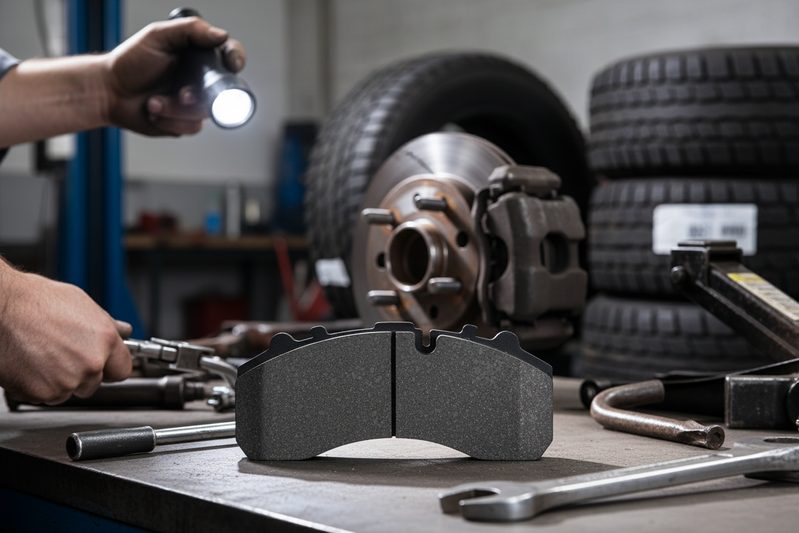
Material Showdown: Ceramic vs. Semi-Metallic vs. Hybrid for Heavy Loads
Let's cut through the marketing. Each material has a best-use case, and for trucks and SUVs, the wrong choice hurts your bottom line.
Premium Semi-Metallic: Traditionally the go-to for towing. Good initial bite and heat tolerance. The downside? They can be noisy, produce more dust, and are harder on rotors. For a pure work truck that sees extreme abuse, they're still a valid option, but rotor replacement costs can eat into your customer's total cost of ownership.
Ceramic (Enhanced Formulations): Modern ceramic technology has evolved. High-performance ceramic pads, often infused with copper or carbon fibers, now offer excellent high-temperature stability with near-zero noise and dust. They're rotor-friendly. The catch? Not all ceramics are created equal. A cheap ceramic pad will turn to chalk under heavy load. You need a formulation specifically engineered for thermal mass, like those developed for commercial vehicle applications. BAIYUN Brake's R&D leverages its deep experience in C.V. brake pads to create ceramic compounds that withstand the punishment of a loaded SUV.
Hybrid/Low-Metallic NAO: This is often the sweet spot for the majority of SUV and light truck owners. They blend organic fibers with a smaller percentage of metals (like steel or copper) and other abrasives. The result is a balanced pad: good cold performance, respectable heat resistance, moderate dust, and minimal noise. For importers, this category offers the best blend of performance, durability, and price competitiveness for volume sales.
Frankly, the best advice is to stock a tiered lineup. Offer a premium ceramic for the high-end SUV owner and a robust hybrid for the fleet pickup market. This strategy maximizes your addressable market. You can download our product catalogue to see how we structure our application coverage across these material types.
The Hidden Cost of Ignoring Proper Bed-In and Technical Support
Here's a scenario that costs distributors millions: a perfect pad gets a bad reputation because it wasn't installed correctly. The bed-in (or burnish) process is critical for heavy-duty pads. It transfers a thin, even layer of pad material onto the rotor, creating the optimal friction partnership. Skipping this step leads to noise, vibration, hot spots, and premature wear.
As a supplier, providing clear, vehicle-specific installation guides isn't a bonus—it's a necessity. It reduces technical support calls and protects your brand. We include detailed bed-in procedures with every bulk order, and our technical support center is there for complex cases. Think of it as risk mitigation. Educating your installers is cheaper than processing returns.
FAQ for Importers and Distributors
Q: What's the minimum certification we should look for when sourcing SUV/truck pads?
A: For the European market and as a global benchmark, ECE R90 is essential. It validates performance claims for friction level, wear, and resistance to fade. For North America, look for suppliers who test to SAE J2522 standards. BAIYUN Brake's facility is IATF 16949 certified, meaning our entire quality management system is audited to automotive OEM levels.
Q: How do we calculate the true landed cost, not just the FOB price?
A: Look beyond unit cost. Factor in wear rate—a pad that lasts 20% longer reduces your customer's total cost per mile. Consider warranty claim rates; a 2% defect rate can wipe out the margin from a cheaper supplier. Also, evaluate packaging. Durable, stackable boxes reduce shipping damage and warehouse space. We provide a brake maintenance cost analysis tool to help you demonstrate this value to your buyers.
Q: Can you support private labeling and custom packaging for our brand?
A: Absolutely. Most of our wholesale partners run private label programs. We handle everything from box design to barcode labeling. Minimum order quantities are flexible, and we can mix SKUs within a container to help you build a complete product line efficiently.
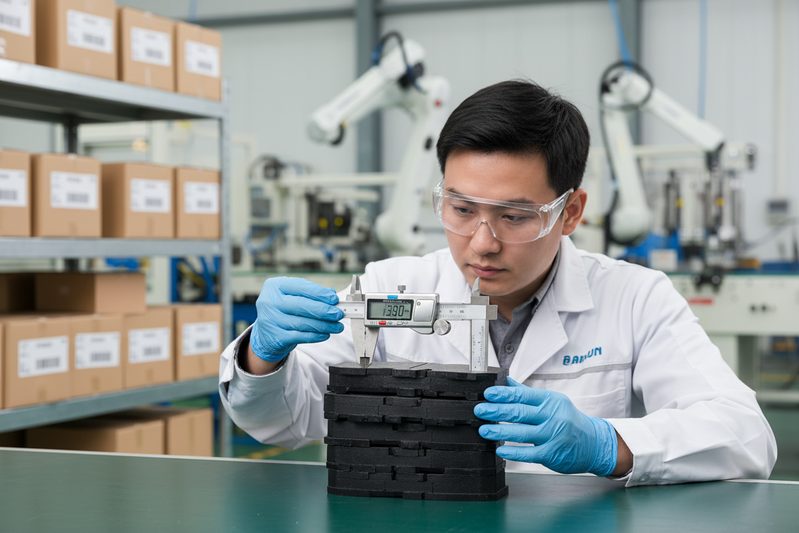
Choosing the right brake pad supplier for the SUV and truck segment is a strategic decision. It's about partnering with a manufacturer that has the engineering depth to solve heat problems, the quality systems to ensure batch-to-batch consistency, and the commercial flexibility to help your brand grow. You're not just buying a commodity; you're sourcing a critical safety component that your customers rely on under the most demanding conditions.
Ready to see the specs and test data behind pads built for real weight? Request a quote and technical portfolio today. Let's discuss your target markets and build a product mix that delivers performance and profit.
Was this article helpful?
Average Rating: 5/5 (1207)