
AA Wheel & Truck Supply Acquires Casper Brake & Clutch – AftermarketNews
Summary:
AA Wheel & Truck Supply Acquires Casper Brake & Clutch - AftermarketNews. This acquisition folds a 1929 Kansas City friction reline specialist into a Midwest truck and trailer parts distributor. For fleet buyers, distributors, and maintenance teams, the move signals consolidation in commercial vehicle brake supply. This technical guide explains what to verify in a brake pad supplier after such deals, covering ECE R90 certification, IATF 16949 quality systems, WVA cross-references, OEM and private label options, typical MOQ and lead times, and fleet maintenance cost control. BAIYUN Brake offers certified commercial vehicle brake pads and linings for wholesale and export customers.
AA Wheel & Truck Supply Acquires Casper Brake & Clutch - AftermarketNews
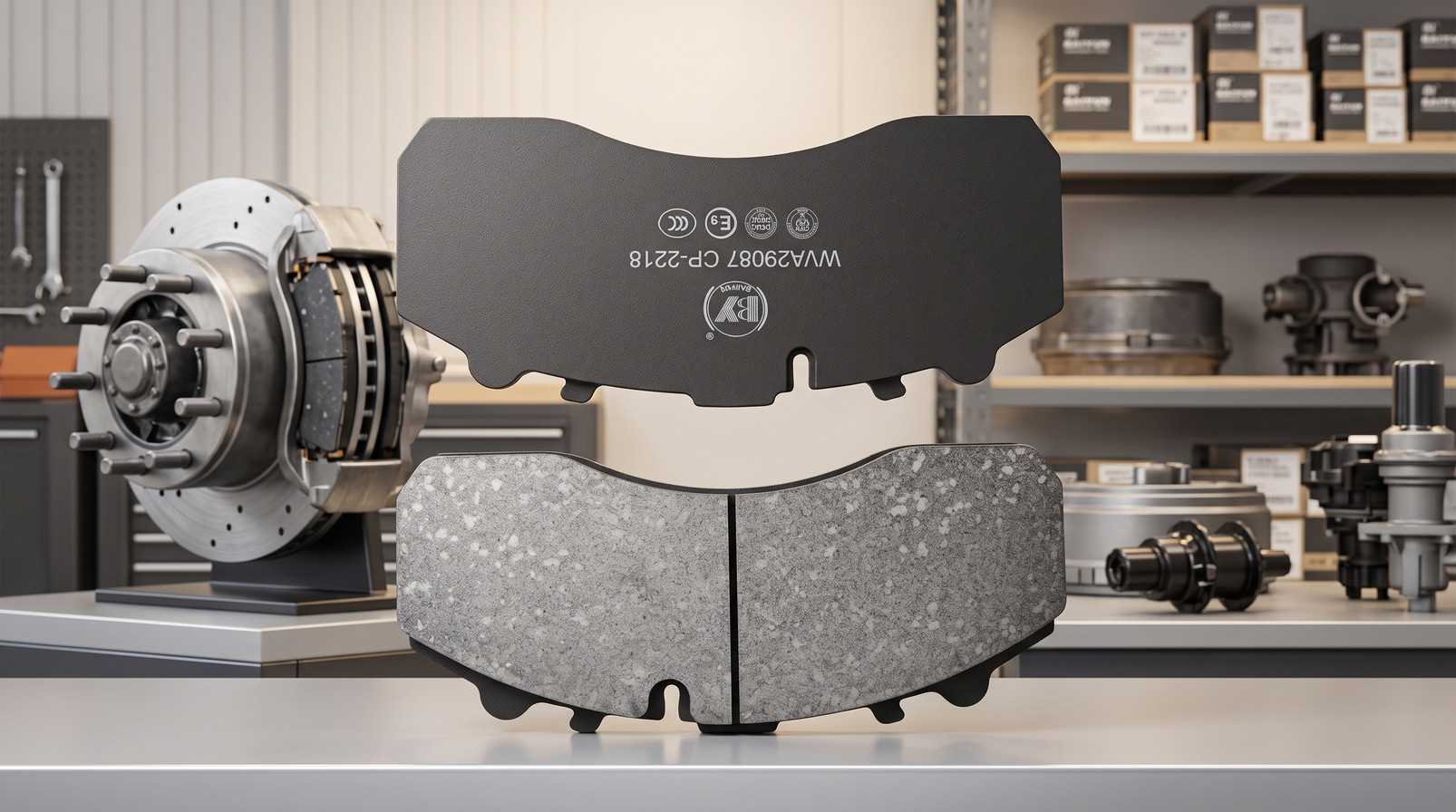
Quick answer: AA Wheel & Truck Supply acquired Casper Brake & Clutch, folding a Kansas City friction reline specialist founded in 1929 into a broader Midwest truck and trailer parts distribution network. For fleet buyers and maintenance teams, this means fewer independent reline sources and more reason to qualify brake pad suppliers properly. Check ECE R90 certification, IATF 16949 process controls, and WVA cross-reference data before placing orders. BAIYUN Brake supplies certified commercial vehicle brake pads and linings with export documentation for exactly this segment.
One Less Independent Reline Shop—What Does That Mean for Your Fleet?
AA Wheel & Truck Supply is an HDA Truck Pride member that distributes truck and trailer parts through the Midwest. Acquiring Casper Brake & Clutch adds relining and remanufacturing capacity for heavy truck brakes, clutches, and water pumps to that network. A friction shop that survived since 1929 did so because heavy truck brake relining remains a service-heavy niche. But consolidation changes how you buy. Instead of dealing with a standalone Kansas City shop, you're now working through a larger distributor. That can improve stock access, but it narrows your independent source options.
So what does that mean for your bottom line? If you run 50 tractors and trailers, you don't want to depend on one regional reline shop for every WVA-specific shoe or pad. This acquisition is part of a longer pattern among HDA Truck Pride members—regional distributors buying service shops to control friction remanufacturing. For fleet buyers, the practical question is whether your current WVA references stay available. If not, sourcing directly from an IATF 16949 factory becomes a hedge. You need a manufacturing partner that can request OEM commercial vehicle brake pad quote with batch traceability. A distributor acquisition doesn't solve friction quality—it just changes who handles the paperwork.
Supplier Qualification Is the Real Issue Now
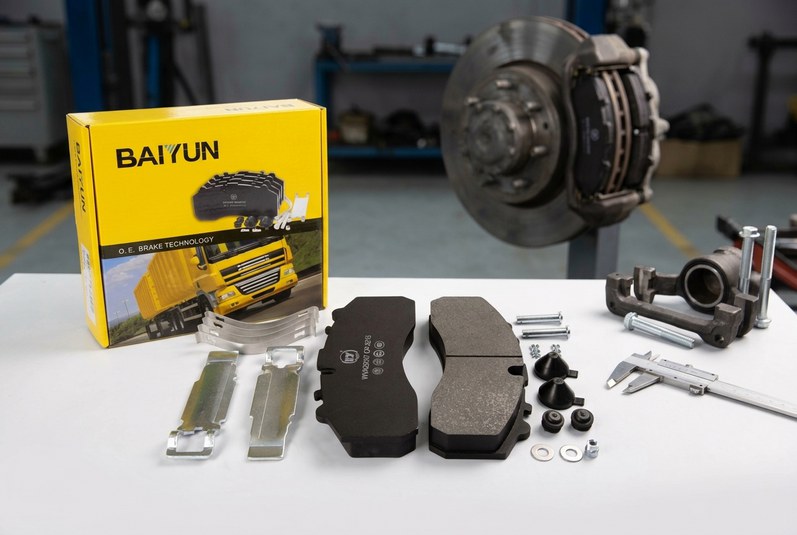
If you've ever swapped a trailer brake lining set mid-fleet inspection, you know the pain of mismatched friction. AA Wheel's acquisition of Casper Brake & Clutch doesn't erase that problem. It makes supplier qualification the actual purchase decision. Heavy-duty commercial vehicle brake pads should meet ECE R90 or equivalent performance standards. ECE R90 isn't optional for export markets; it's the baseline for legal sale in many regions. IATF 16949 certification shows process control, but you also want batch-level friction coefficient documentation for aftermarket CV pads.
| Supplier Requirement | What to Check | Why It Matters for Commercial Fleets |
|---|---|---|
| ECE R90 approval | Approval number and test report for the exact part | Confirms stopping performance and thermal stability |
| IATF 16949 or ISO 9001 | Audited quality management scope | Reduces variation in friction material and bonding |
| WVA reference data | Matching WVA numbers for pad shape and friction family | Enables correct cross-referencing for truck and trailer applications |
| Batch test records | Friction curves, shear strength, wear rates | Protects fleet brake maintenance intervals and pad life |
| Reline compatibility | Backing plate reuse, rivet or bond method | Important if you still run relined shoes on older trailers |
Frankly, the price gap between certified and uncertified pads rarely justifies the warranty risk. A distributor sourcing 500 sets monthly can't afford inconsistent friction coefficients batch to batch. Verify your supplier's quality assurance documentation before committing. On top of that, average trailer brake reline work takes 4–6 hours per axle, so a failed lining set doubles labor and tears up the schedule.
OEM and Private Label: What to Ask Before You Commit
Consolidation like this pushes distributors to look for stable manufacturing partners. If you're importing commercial vehicle brake pads or linings, don't depend on a regional reline shop. You need a factory that can handle OEM and private label lines with consistent formulation. BAIYUN Brake runs IATF 16949-certified production and supplies wholesale CV brake lining inquiry volumes for exporters. Typical commercial vehicle pad orders range from 300–500 sets per reference for trial runs to full container loads. Lead time runs 25–45 days after WVA tooling and artwork approval. A 40-foot container carries roughly 16,000–20,000 sets of CV disc brake pads, depending on packaging density—use that to benchmark freight cost per unit.
Private label for CV pads usually means custom backing plate marking, packaging, and friction code selection. You'll want to confirm whether the factory already has WVA tooling for your market or requires new development. Ask about riveted versus bonded linings, shim options, and wear indicators. These details drive cost and lead time. For fleet buyers, batch-level shear strength and compressibility data beat marketing claims. For importers in Africa, the Middle East, and Latin America, ECE R90 paperwork is often mandatory for customs clearance. BAIYUN Brake ships with test reports and packing lists that reference each batch. A supplier with why choose BAIYUN Brake documentation should walk you through each point.
WVA References Keep Multi-Fleet Orders Straight
WVA reference numbers identify brake pad shapes and friction families. When you're matching a Casper reline job or ordering replacements for mixed truck fleets, the WVA number narrows the correct pad outline and friction grade. Don't guess cross-references. A distributor ordering 2,000 sets for mixed axles needs accurate WVA mapping before quoting customers. If you send a photo of a worn pad and ask for replacement, WVA numbers eliminate guesswork. BAIYUN Brake's technical team validates WVA references against your application. If you don't have the WVA number, send the axle model, caliper brand, and pad dimensions. For exact cross-references, confirm with supplier catalogue. You can also download our product catalogue to start the matching process.
A helpful rule is to build a master WVA map for your fleet. When axle types repeat, you can consolidate pad references and reduce inventory. That's especially useful after an acquisition changes your local supplier relationships.
Fleet Downtime Doesn't Care About Your Supplier's Merger
Brake downtime on a Class 8 truck costs more than the pad set. A trailer sitting behind the shop waiting for friction parts burns revenue. AA Wheel's acquisition of Casper Brake & Clutch expands distribution coverage, but delivery still depends on your local branch. If you manage 50+ trucks, keep a rotating stock of pre-qualified pads and linings. Use total cost of ownership logic: a pad that lasts 80,000 km instead of 60,000 km reduces labor and downtime, even if unit price is 15% higher. For relined shoes, verify the reline operation uses equal friction material and arced contact to the drum. Otherwise you're building in vibration and premature wear across the fleet.
Brake inspections every 30,000 km for line-haul tractors catch uneven wear before it damages rotors. Commercial vehicle brake pad sets with chamfers and slots tend to run cooler and wear more evenly on long descents. Those details show up in fleet maintenance records within six months.
Buyer Verification Checklist for Commercial Vehicle Brake Pads
- Confirm ECE R90 approval number matches the exact commercial vehicle brake pad part you're ordering.
- Request current IATF 16949 or ISO 9001 certificate and scope of registration.
- Ask for WVA reference cross-reference table; if missing, confirm with supplier catalogue.
- Verify friction coefficient curve at cold, normal, and hot stops within your typical laden weight range.
- Check shear strength and compressibility test reports for the batch.
- Confirm packaging, palletization, and rust protection for containerized freight.
- Get written lead time for repeat orders and emergency top-up stock.
Frequently Asked Questions
Q: Does the AA Wheel & Truck Supply acquisition affect availability of Casper brake reline services?
A: Availability should improve through AA Wheel's broader Midwest distribution network, but you may face new account requirements. Fleets that relied on Casper's standalone reline work should confirm whether their existing WVA references and friction grades remain supported. Ask your account manager for a written cross-reference before switching.
Q: What certifications should I require for commercial vehicle brake pads?
A: Require ECE R90 approval for export markets and IATF 16949 or ISO 9001 for process control. Batch-level test reports covering coefficient of friction, shear strength, and wear rates are just as important. A supplier that can't provide these documents isn't ready for fleet-grade distribution.
Q: Can BAIYUN Brake match WVA references for Casper brake and clutch applications?
A: BAIYUN Brake can validate WVA references against your application if you provide the original pad's WVA number or dimensions. For exact cross-references, confirm with supplier catalogue. This avoids incorrect pad outlines and friction grades.
Q: What are typical MOQ and lead times for commercial vehicle brake pad imports from China?
A: Trial orders often start at 300–500 sets per reference, while container orders range from 15,000–20,000 sets depending on packaging. Lead time runs 25–45 days after WVA tooling and artwork approval. Private label projects add 15–20 days for packaging development and batch testing.
Q: How do I verify ECE R90 compliance without visiting the factory?
A: Request the ECE R90 approval number and test report for the exact part number, then check batch test certificates. A reputable supplier will provide a commercial vehicle brake pad test report. If documentation looks incomplete or has mismatched approval numbers, treat it as a red flag.
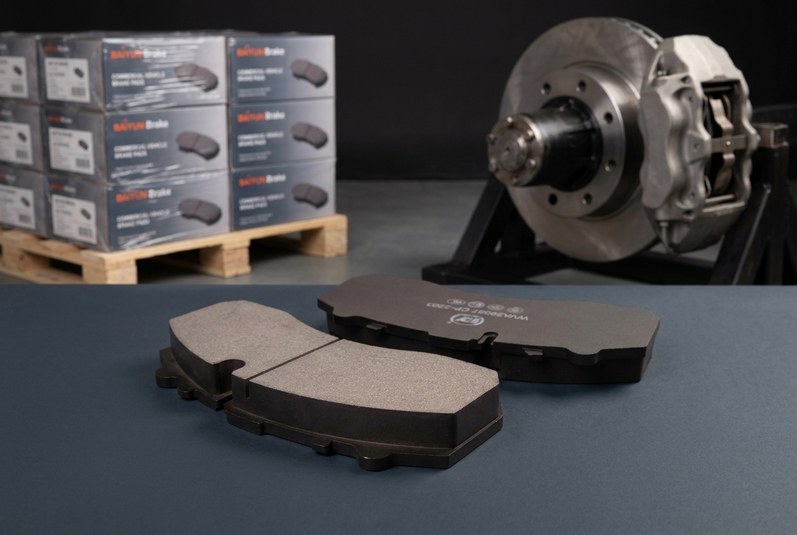
If you're sourcing commercial vehicle brake pads after seeing consolidation like AA Wheel & Casper, don't leave your supply line to chance. Browse our heavy-duty brake pad range and request a wholesale quote. We'll help you match WVA references, confirm ECE R90 compliance, and plan container-load shipments for your market.
Was this article helpful?
Average Rating: 5/5 (161)