
Why ECE R90 Matters for Brake Pad Importers: Importer and Distributor Buying Guide
Summary:
Why ECE R90 matters for brake pad importers becomes clear when a shipment of non-certified truck brake pads is held at a European port or rejected by a fleet workshop. ECE R90 homologation proves that replacement disc brake pads and truck brake pads perform within a controlled window of the OEM reference for braking, wear, and thermal behavior. For importers and distributors, that proof reduces legal exposure, warranty costs, and customer churn in the commercial vehicle aftermarket. This buying guide covers supplier verification, factory audit questions, a buyer checklist, WVA mapping, wholesale pricing, MOQ and lead time expectations, and private label options. BAIYUN Brake supports importer sourcing with IATF 16949 quality systems and ECE R90 certified commercial vehicle brake pads. The checklist and FAQs below give you a practical route from first inquiry to repeat orders.
Why ECE R90 Matters for Brake Pad Importers: Importer and Distributor Buying Guide
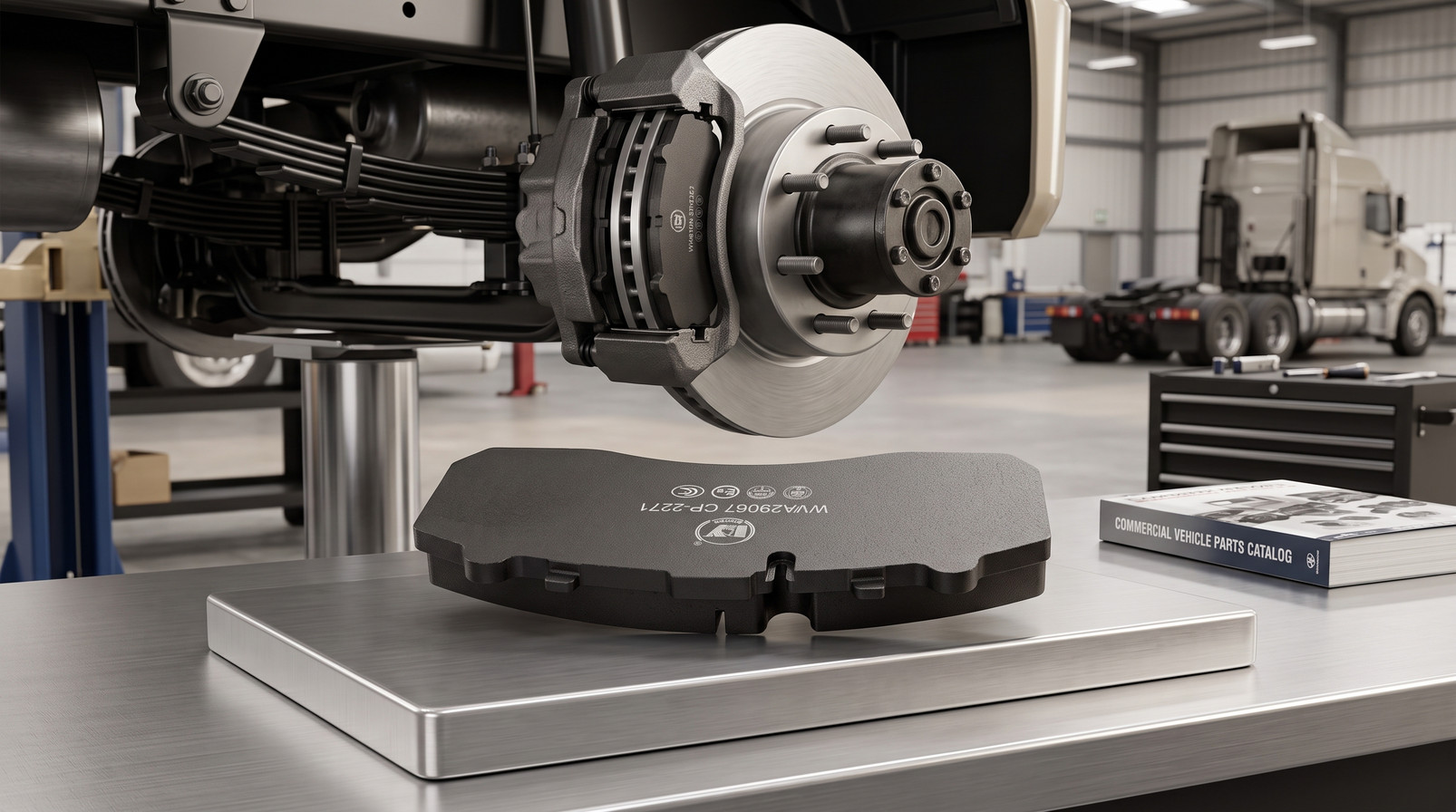
Quick answer: ECE R90 confirms that a replacement disc brake pad or truck brake pad performs within a controlled window of OEM reference performance—covering braking output, wear, and thermal behavior. For importers and distributors, it separates legal resale in EU and UNECE markets from shipments stopped at customs or rejected by workshops. You verify ECE R90 with an approval number, test documentation, and pad markings. For BAIYUN Brake commercial vehicle brake pads, IATF 16949 processes and ECE R90 approvals give importers a repeatable sourcing base for the commercial vehicle aftermarket.
The Real Cost of Skipping ECE R90 in Commercial Vehicle Brake Imports
A container of non-certified truck brake pads looks cheaper on the invoice. It rarely stays cheaper after customs review, workshop complaints, and warranty claims start piling up.
ECE R90 isn't optional paperwork in markets that follow UNECE Regulation 90. Since its implementation, any brake pad sold as a replacement for new vehicles must be homologated under ECE R90. If you're importing commercial vehicle brake pads for trucks, buses, or trailers, your supplier must show comparative test data against the OEM reference pad.
Frankly, the price gap between certified and uncertified pads rarely justifies the risk. A distributor sourcing 500 sets monthly can't afford inconsistent friction coefficients batch to batch. One failed roadside brake check on a commercial vehicle can generate a recall that wipes out three months of margin.
What does ECE R90 require in practice? Brake pads must pass laboratory tests and road trials conducted by independent certifying entities. The approval covers comparative performance tests against OEM pads, wear tests at different temperatures, compression testing and behavior under overheating conditions, and noise, vibration, and braking comfort measurement.
That's why buyers should treat ECE R90 not as a label, but as a sourcing filter. If a factory can't provide the approval number and test summary quickly, move on.
What ECE R90 Actually Checks: The Buyer's Verification Shortlist
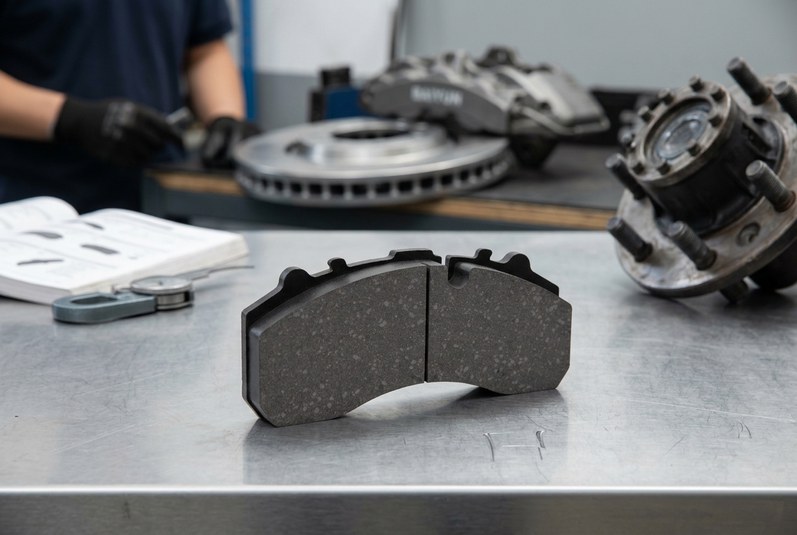
Why do some pads pass a visual check but still fail homologation? Because ECE R90 is a performance standard, not a material recipe. A pad can look identical to the OEM reference and still deliver too much cold bite, fade too early, or wear the disc unevenly.
That's why the tests aren't a formality. ECE R90 approval requires comparative performance tests against OEM pads, wear tests at different temperatures, compression testing and behavior under overheating conditions, and noise, vibration, and braking comfort measurement. Independent certifying entities run these, not the pad factory's marketing team.
| Test Area | What ECE R90 Evaluates | Importer Red Flag |
|---|---|---|
| Comparative braking performance | Stopping output vs OEM reference across speed and temperature | No OEM reference data shared |
| Wear behavior | Pad and disc wear at multiple temperatures | No wear test summary or vague long-life claim |
| Compression and overheating | Resistance to compressibility, thermal fade, and overheating behavior | Documentation excludes load/temperature curves |
| Noise and vibration | Braking comfort measurement against approval limits | Supplier cannot produce noise test report |
For commercial vehicles, this matters even more. A loaded truck brake pad working at high axle temperatures can't rely on a generic friction curve. Fleet buyers and wholesale distributors need the full thermal picture. For importer verification, ask for the approval test summary, not just the certificate number.
Supplier Verification: Factory Audit Questions That Save Money Later
Most importer losses don't come from bad product brochures. They come from skipping a structured factory audit.
A reliable ECE R90 approval is much stronger when it sits inside an IATF 16949 production system. That's not academic—process controls affect whether the 12th container matches the first. When you audit a brake pad factory, check these points:
- Ask for current ECE R90 approval certificates and test reports for the exact commercial vehicle pad references you plan to order.
- Confirm whether the facility runs its own dynamometer and wear testing, or outsources to a third-party lab. In-house data usually means faster reformulation if a fleet reports issues.
- Review batch traceability from backing plate to final carton. Look for lot numbers on the friction material or box.
- Walk the production line for mixing, pressing, curing, and grinding controls. Inconsistent scorching or uneven chamfers are early warning signs.
- Ask how the factory handles material changes. ECE R90 approval may require retesting if friction formulation or production parameters shift.
BAIYUN Brake's IATF 16949 certified facility uses controlled processes and records for commercial vehicle brake pads. But don't take our word—quality assurance documentation and our 49+ years of manufacturing experience are part of the supplier verification trail.
Buyer Checklist for Importers: WVA, Certification, MOQ, Lead Time
A clean spec sheet can hide a sourcing problem. That's why distributor purchase orders for truck brake pads should never start with price. Start with compatibility and compliance.
Confirm WVA numbers against the vehicle application and axle load. If the supplier can't map WVA to your fleet profile, move on. For commercial vehicle aftermarket sales, one wrong friction mix can ground a bus or trailer.
Buyer verification checklist
- Confirm ECE R90 approval number and marking format for each part reference.
- Match WVA or OEM reference to the actual truck, bus, or trailer application. Confirm with supplier catalogue if data is missing.
- Request material data sheets showing friction coefficient class and temperature range.
- Confirm private label packaging, carton quantity, and CE/ECE labeling requirements.
- Lock MOQ, unit price, incoterm, and lead time in writing.
- Verify batch samples from first article inspection before full production.
If your catalog also carries commercial vehicle brake linings, apply the same verification steps. A truck disc brake pad and a brake lining may sit in different homologation families, so don't assume one certificate covers both.
Wholesale Pricing, Private Label and the Real Unit Cost
Buyers often ask whether ECE R90 approval adds cost. It does add test and documentation effort, but certified commercial vehicle disc brake pads from an organized factory tend to carry less hidden cost than uncertified stock.
Let's be direct. A certified replacement truck brake pad may cost 5-10% more per unit than a non-certified alternative. That's usually small compared to the cost of returned inventory, lost distributor trust, or a refused EU customs entry.
Private label programs shift the conversation. If you're building a brand in the commercial vehicle aftermarket, you need a supplier that can produce pads under your carton design while keeping the ECE R90 approval linked to the pad family. BAIYUN Brake supports OEM and distributor private label requirements for commercial vehicle brake pads. You'll still need to confirm marking rules—ECE R90 approval markings remain on the pad backing plate even under a private label carton.
If you're comparing suppliers, check our competitive advantages. Often the supplier with the cleanest documentation, not the lowest unit quote, delivers better landed cost.
Frequently Asked Questions About ECE R90 for Brake Pad Importers
Q: Is ECE R90 certification mandatory for importing brake pads into Europe?
A: Yes, replacement disc brake pads for vehicles covered by UNECE Regulation 90 must be homologated for legal sale in the EU and many UNECE-adopting markets. The approval compares stopping performance, wear, and thermal behavior against the OEM reference pad. Always request the certificate and test summary from your supplier before ordering.
Q: How can an importer verify a supplier's ECE R90 certificate is valid?
A: Ask for the approval number, issuing technical service, and exact part references covered. Compare the pad backing plate marking with the certificate; ECE R90 requires an approval mark on the component. If the supplier hesitates to share test reports, treat that as a red flag.
Q: Does BAIYUN Brake offer ECE R90 certified commercial vehicle brake pads for private label?
A: Yes, BAIYUN Brake manufactures commercial vehicle brake pads under IATF 16949 quality systems and supports OEM and private label programs. ECE R90 approval markings remain visible on the backing plate even when cartons carry distributor branding. Confirm exact part references and marking rules with our export team.
Q: What is a realistic MOQ for ECE R90 truck brake pad imports?
A: MOQ varies by part reference, backing plate design, and private label packaging. Many distributor programs begin with trial orders before moving to container-level quantities. Request current MOQ and lead time with your wholesale inquiry.
Q: How often does a factory need to renew ECE R90 certification?
A: ECE R90 approvals are linked to specific pad families and the factory's production conformity system. Any major change in friction material, backing plate, or manufacturing process can trigger retesting. Importers should add certification review to annual supplier audits.
Your Next Sourcing Step
Don't let a missing approval number become your customs problem. Start your supplier conversation with one request: send the ECE R90 certificate, test summary, and WVA mapping for the exact truck brake pad references you need. Then compare documentation, pricing, and lead time together.
If you're ready to source certified commercial vehicle brake pads for wholesale or private label, request OEM commercial vehicle brake pad quote or request a wholesale quote from our export team. We'll walk you through part selection, approval documents, and shipping terms.
Was this article helpful?
Average Rating: 5/5 (26)