What specific GOST or EAEU technical regulations apply to brake pads, and what documentation is needed for customs clearance in Russia and CIS countries?
Summary:
GOST EAEU brake pad certification rules determine whether your commercial vehicle brake pads clear customs in Russia and the broader CIS region. TR CU 018/2011 is the core technical regulation, supported by GOST R 41.90-99 and UNECE R90 testing. For importers, the practical path is an EAC certificate or declaration of conformity with part-number annexes, EAC marking on packaging, and a technical passport. Missing documents can add 5–20 days of clearance delay and $150–$400 per day in container demurrage. BAIYUN Brake helps CIS distributors pre-file EAC documents, verify friction material codes, and keep batch test records under IATF 16949. This guide covers conformity forms, common misconceptions, a buyer verification checklist, and the documentation package that speeds up customs clearance for trucks, buses, and trailers.
What specific GOST or EAEU technical regulations apply to brake pads, and what documentation is needed for customs clearance in Russia and CIS countries?
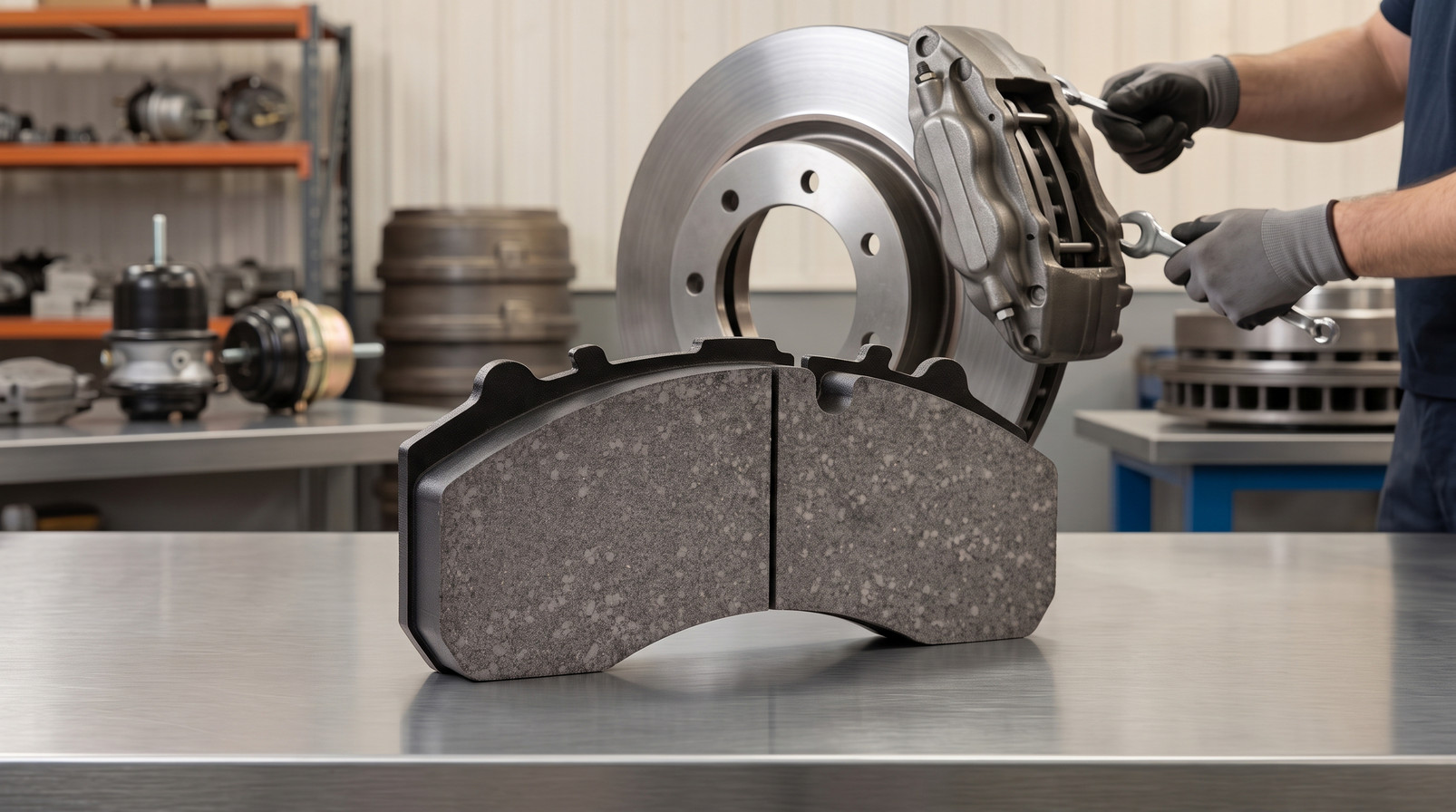
Quick answer: GOST EAEU brake pad certification rules are built around TR CU 018/2011, the Customs Union technical regulation on wheeled vehicle safety. Replacement brake pads for trucks, buses and trailers generally need an EAC certificate or declaration of conformity, supported by UNECE R90 test reports and the Russian national standard GOST R 41.90-99. Customs also expects EAC marking on packaging, a technical passport, and standard trade documents. Incomplete paperwork typically adds 5–20 days of clearance delay and $150–$400 per day in container demurrage.
Which EAEU technical regulation governs brake pads for commercial vehicles?
TR CU 018/2011 "On safety of wheeled vehicles" has been mandatory in the Eurasian Economic Union since January 1, 2015. It covers five EAEU member states: Russia, Belarus, Kazakhstan, Armenia, and Kyrgyzstan. Brake pads classified as replacement components for wheeled vehicles fall under this regulation's conformity assessment rules.
For importers, that means you can't rely on a Chinese supplier's domestic GB 5763 test report or a generic ISO 9001 certificate. The EAEU system requires a specific EAC document issued by an accredited certification body. For brake pads, the usual route is either an EAC certificate of conformity or an EAC declaration, depending on the exact HS code and whether the pads are for original equipment or aftermarket replacement.
Distributors sourcing commercial vehicle brake pads should ask the manufacturer which conformity form they've already completed for EAEU orders. Some China brake manufacturers hold EAC certificates for a full product family; others handle certification case-by-case, which can add 3–6 weeks before the first shipment.
Bottom line: TR CU 018/2011 is the umbrella regulation, and any EAEU brake pad certification decision starts with confirming the correct conformity form under that regulation.
What GOST standards do Russian customs officers look for on brake pad documents?
GOST R 41.90-99 is the Russian national standard implementing UNECE Regulation No. 90 for replacement brake linings and disc brake pads. Customs officers and certification bodies often reference this standard when checking technical documentation for commercial vehicle brake pads. GOST R 41.90-99 follows the same test philosophy as ECE R90: the replacement pad must stay within ±15% of the original equipment part's braking performance across cold performance, speed sensitivity, and fade/recovery tests.
That doesn't mean you need a separate GOST test if you already have a valid ECE R90 report. In practice, an accredited EAEU laboratory can use the UNECE R90 data as the technical basis, then issue the EAC document under TR CU 018/2011. But the paperwork must explicitly connect the test report to the same friction material formulation and pad dimensions you're importing.
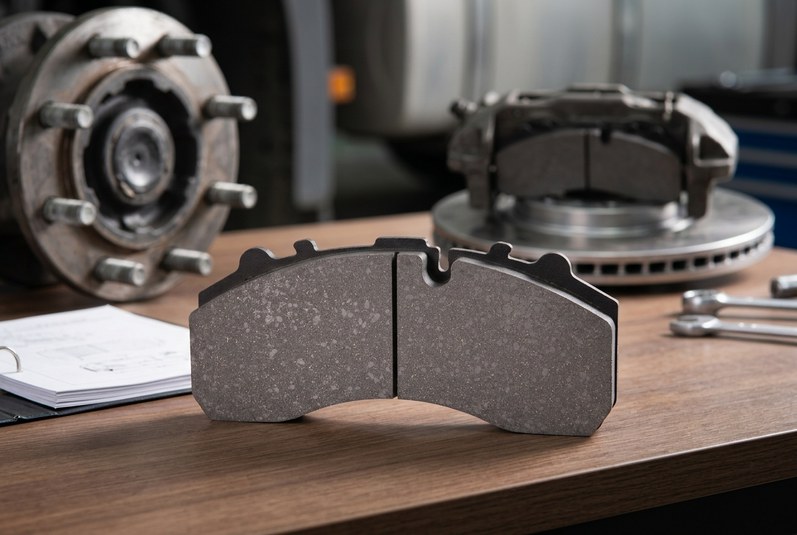
Some buyers ask: "Is ECE R90 enough for Russia?" No. ECE R90 is a testing standard, not an EAEU conformity document. You'll still need the EAC mark and an approved certificate or declaration before the truck brake pads clear customs in Novorossiysk or Vladivostok.
For heavy-duty commercial applications, BAIYUN Brake recommends keeping the technical passport on file. The passport usually lists the GOST R 41.90-99 reference, friction class, batch number, and temperature range tested. It's one of the first documents a Russian distributor's technical team will request during a claim review.
So: GOST R 41.90-99 is the main national standard, but it works together with EAC conformity documents—not as a replacement for them.
What does a complete EAEU brake pad documentation package look like?
A clean customs clearance file for Russia and CIS countries contains more than an EAC certificate. Importers who assemble the full package once reduce repeat inquiries from customs brokers and avoid demurrage charges.
Here are the typical documents you'll need for brake pads entering the EAEU:
- EAC certificate or declaration of conformity under TR CU 018/2011, with your HS code and part numbers in the annex
- UNECE R90 or GOST R 41.90-99 test report covering the same friction formulation
- Technical passport or data sheet with brake pad quality parameters
- Commercial invoice, packing list, and foreign trade contract
- Transport document (CMR, bill of lading, or air waybill)
- EAC marking on each retail box or master carton
For commercial vehicle brake linings, the same structure applies. If you're buying commercial vehicle brake linings for buses or trailers, confirm whether the EAC document covers riveted and bonded linings separately. Some certification bodies list both, others split them by friction material family.
| Document | Role in customs clearance | What importers should verify |
|---|---|---|
| EAC certificate or declaration | Confirms conformity with TR CU 018/2011 | Validity date, HS code, part numbers in annex |
| UNECE R90 test report | Supports braking performance equivalence | Average deceleration within ±15% vs OEM reference |
| GOST R 41.90-99 reference | National standard basis used by Russian inspectors | Cited in technical passport or EAC annex |
| Invoice, packing list, contract | Commercial value and quantity declaration | Exact match to EAC part numbers and EAC marking |
Key point: The EAC document and test report must match the actual imported product; mismatched part numbers are a common reason for customs holds.
Where do importers lose money on EAC brake pad compliance?
Container demurrage at Russian ports ranges from $150 to $400 per day once free time expires. A 10-day hold over a missing EAC annex or mismatched HS code can wipe out the margin on a small brake pad shipment. That's the practical cost of treating certification as an afterthought.
There's a second cost: re-testing. If a distributor imports one batch with full EAC documents, then switches brake pad compound or changes the pad backing plate design, the original test report may no longer apply. The EAEU certification body may require a new dynamometer test, costing $2,500–$6,000 and delaying the line by 4–8 weeks.
Working with a China brake manufacturer that already has IATF 16949 certified facility and ECE R90 systems reduces this risk. The manufacturing records, batch traceability, and friction coefficient stability already exist. That's why fleet buyers and CIS distributors increasingly ask BAIYUN Brake to pre-file EAC documents before the first container ships rather than after it arrives.
Some importers try to save money by using an uncertified pad and relying on a local broker's "assistance." That's a poor trade. A rejected shipment means return freight, disposal costs, and a lost customer relationship with your Russian fleet account.
Bottom line: Sheet-level certification costs are small compared with demurrage, re-testing, and failed deliveries.
How should a distributor verify a China brake manufacturer's EAEU brake pad certification?
Start with the certificate number, not the logo. Request a copy of the EAC certificate or declaration, then check the number against the issuing body's public register or have your customs broker confirm it. The document must list the manufacturer name, factory address, and the specific brake pad part numbers you plan to import.
Then compare the friction material code on the EAC document with the technical data sheet. A mismatch between the compound code and the imported wholesale CV brake pads is an immediate red flag. BAIYUN Brake's commercial vehicle brake pad formulations are tested under load conditions up to 350°C, with batch friction coefficient records kept for 10 years as part of the IATF 16949 system.
Use this five-point checklist before confirming a purchase order:
- Does the supplier hold an EAC certificate or declaration for brake pads under TR CU 018/2011?
- Does the EAC annex include your exact part numbers and HS code?
- Does the UNECE R90 or GOST R 41.90-99 test report match the current friction formulation?
- Is the EAC mark present on the packaging artwork, not just on the invoice?
- Can the manufacturer provide batch test reports for the shipped commercial vehicle brake pads?
If any answer is "no," resolve it before production, not during customs clearance.
So: Buyers who verify certificate numbers and part-number annexes avoid most EAEU clearance failures before the ship sails.
What are the most common misconceptions about GOST EAEU brake pad certification?
Some Russian and CIS buyers assume a supplier's ECE R90 approval removes all EAEU paperwork. In practice, ECE R90 is the technical testing basis but not a customs conformity document. The brake pads still need EAC marking and a valid EAC certificate or declaration.
Misconception: An EAC logo on the box is sufficient proof.
Reality: The EAC mark must be backed by a registration record, test reports, and a responsible EAEU representative. A printed logo without the certificate number on the Annex is incomplete.
Misconception: GOST standards are obsolete because Russia has adopted EAC technical regulations.
Reality: GOST R 41.90-99 remains the national implementation of UNECE R90 and is still referenced in technical passports and customs practice for replacement brake linings.
Misconception: A trailer brake pad can be shipped under the same EAC document as a heavy truck pad if the material code is similar.
Reality: Certification bodies often split documents by axle type and friction class. A 22.5-inch trailer drum lining and a 17.5-inch bus disc pad are not automatically covered by one annex.
Key takeaway: Check the conformity scope, not just the certificate title.
What questions do CIS distributors ask about GOST EAEU brake pad certification?
Here are the questions BAIYUN Brake receives from CIS importers and wholesale distributors.
Q: Do all brake pads need an EAC certificate for Russia?
A: Yes. Brake pads for wheeled vehicles fall under TR CU 018/2011 and need either an EAC certificate or declaration of conformity before customs clearance. The exact form depends on the HS code and whether the pads are replacement parts for vehicles already in operation.
Q: Is ECE R90 enough for Russia and CIS countries?
A: No. ECE R90 is the technical testing basis, but the EAEU requires a separate EAC document under TR CU 018/2011. You still need EAC marking and a valid certificate or declaration for customs clearance.
Q: How long does EAEU brake pad certification take?
A: A declaration usually takes 3–6 weeks, while certification may take 6–10 weeks. Missing factory audit reports or unclear HS classification can add another 2–3 weeks.
Q: What GOST standard applies to heavy-duty commercial vehicle brake pads?
A: Replacement brake linings for trucks and buses follow GOST R 41.90-99, aligned with UNECE R90. Additional performance requirements may reference the manufacturer's technical specifications; confirm exact part numbers with supplier catalogue.
Q: Can BAIYUN Brake supply brake pads with EAC documents for CIS orders?
A: Yes. BAIYUN Brake holds ECE R90 certification and operates an IATF 16949 quality system. We support EAC conformity documentation through approved local representatives. Contact our export team for a quote.
What should a CIS distributor do next with EAEU brake pad compliance?
If you're sourcing commercial vehicle brake pads for Russia, Belarus, Kazakhstan, Armenia, or Kyrgyzstan, start by collecting the EAC certificate number and part-number annex from your shortlisted suppliers. Then compare the brake pad quality records with the UNECE R90 test report. That single verification step eliminates most clearance surprises.
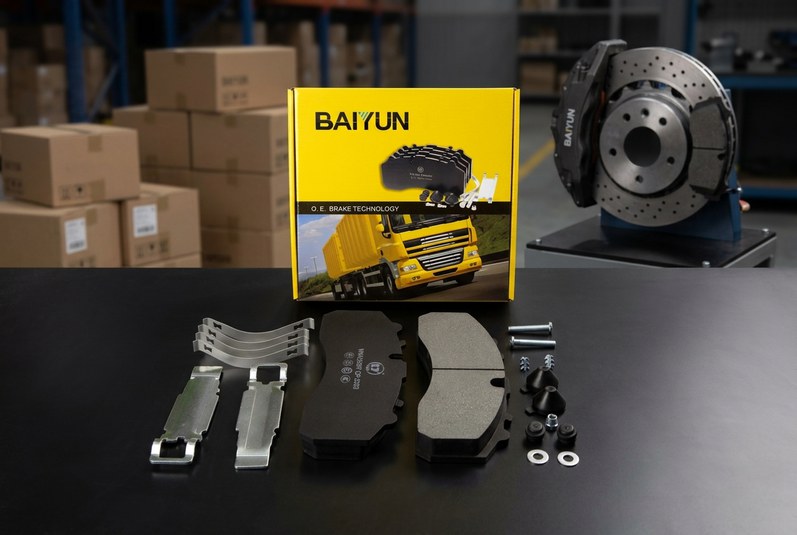
BAIYUN Brake has supplied commercial vehicle brake friction for 49+ years and runs batch-level friction coefficient tracking under IATF 16949. For EAEU orders, we can prepare EAC support documents and coordinate with local certification partners before your containers ship.
Browse our heavy-duty brake pad range or request a wholesale quote for your next CIS shipment.
Was this article helpful?
Average Rating: 5/5 (325)