
Stemco Parent Buys Rome Tool and Die – Heavy Duty Trucking
Summary:
Stemco Parent Buys Rome Tool and Die - Heavy Duty Trucking: EnPro Industries' acquisition of Rome Tool and Die reshapes the North American aftermarket brake shoe landscape, but smart fleet buyers and distributors are looking beyond consolidation. This technical guide unpacks what the deal means for supply chain resilience, why certified commercial vehicle brake pads matter more than ever, and how independent manufacturers like BAIYUN Brake, with IATF 16949 and ECE R90 approvals, offer strategic sourcing advantages for heavy-duty fleets.
Stemco Parent Buys Rome Tool and Die - Heavy Duty Trucking
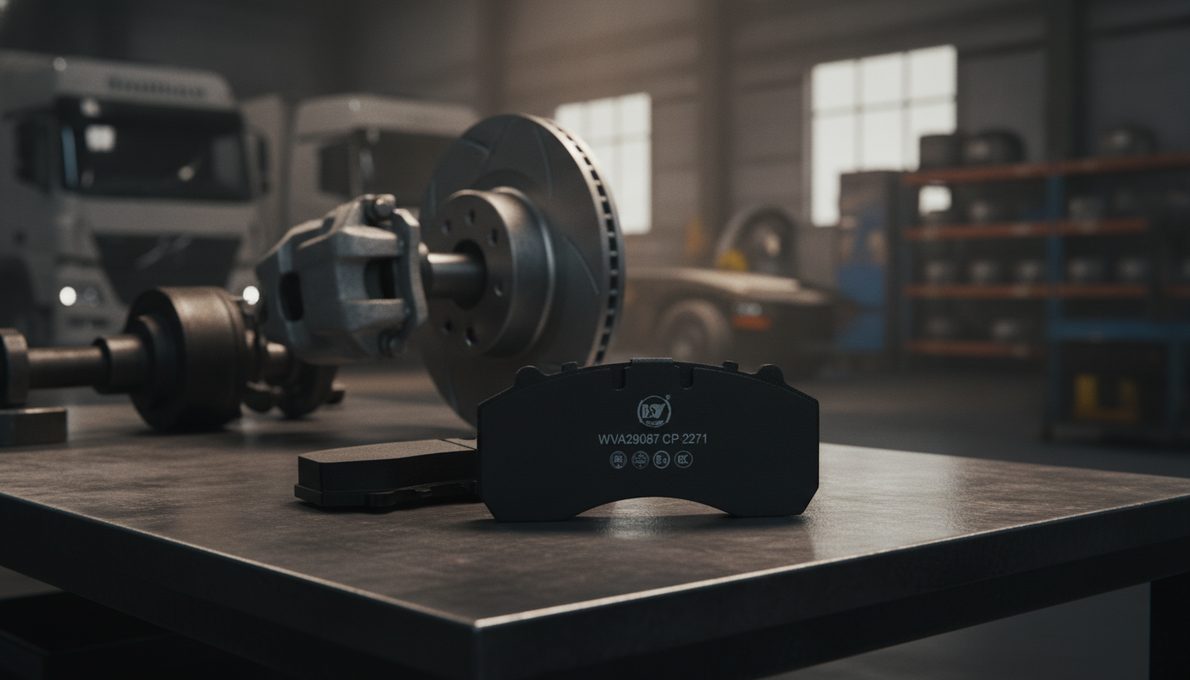
Quick answer: EnPro Industries, parent of Stemco, has acquired Rome Tool and Die—a 55-year-old manufacturer of brake shoes for medium- and heavy-duty trucks and buses. This move consolidates the North American aftermarket brake supply chain and puts Rome's production capacity directly under a major wheel-end components group. For fleet buyers and distributors, the immediate takeaway is that the Stemco parent buyout of Rome Tool and Die reinforces the value of vertically integrated, high-quality brake component sourcing. But it also underscores a broader sourcing principle: whether you're buying brake shoes or disc brake pads, supplier certifications, production scale, and supply chain resilience matter more than ever.
What Does the Stemco Parent-Rome Tool and Die Deal Mean for Heavy-Duty Fleets?
When one of the biggest names in commercial vehicle components acquires a specialized brake shoe manufacturer, fleets pay attention. Rome Tool and Die, based in Rome, Georgia, has been the aftermarket leader for new brake shoes in the US. Stemco itself is a powerhouse in hub seals, bearings, and brake products. Now, under EnPro Industries, the combined entity controls a larger chunk of the wheel-end parts catalog. For a maintenance manager running 500 power units, that's not just news—it's a signal to reassess supplier options.
Consolidation can go two ways. It might streamline supply chains and push innovation, or it could reduce competition and increase lead times if not managed well. The heavy-duty trucking industry has seen similar moves before, notably when Stemco acquired Motor Wheel Commercial Vehicle Systems in 2012. After each deal, fleet managers who diversified their approved supplier lists were in a stronger negotiating position. That's a lesson that applies to brake pads, too. If you rely on a single source for friction materials, you're exposed to whatever that supplier's parent company decides.
How Does Industry Consolidation Affect Aftermarket Brake Parts Supply?
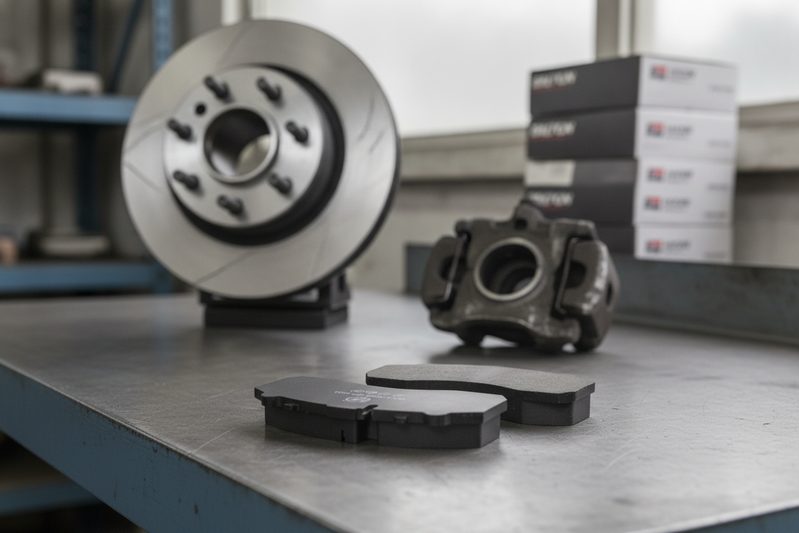
The acquisition of Rome Tool and Die by EnPro (the Stemco parent) highlights a trend: fewer independent brake component makers remain. For a distributor stocking WVA-referenced parts, that means fewer factories to choose from for private-label programs. It also means OEM-quality aftermarket parts are increasingly controlled by a handful of groups. The Rome facility brings new production capacity into the Stemco fold, but the overall number of manufacturing sources for brake shoes in North America just got smaller.
What's the impact on commercial vehicle brake pads? A similar pattern has played out globally. Major brands absorb smaller shops, and fleet buyers often end up paying higher prices for the same quality. That's why international sourcing from certified IATF 16949 plants has become a go-to strategy for mid-sized distributors and fleets. When a brake pad manufacturer like BAIYUN Brake—with 49+ years of experience and ECE R90 certification—offers direct export, it bypasses the layers of consolidation. You're not just buying pads; you're buying supply chain security.
Why Fleet Buyers Should Prioritize Certified Commercial Vehicle Brake Pads
Here's a number that sticks: 35% of heavy-duty truck accidents linked to brake defects could be prevented with better friction material consistency, according to CVSA roadside inspection data from 2025. Certification isn't a piece of paper; it's proof that every batch of pads meets minimum performance thresholds. For commercial vehicles, ECE R90 ensures that the brake pad's friction coefficient, shear strength, and compressibility stay within tight limits when hot or cold. IATF 16949 goes further, demanding process control, traceability, and continuous improvement across the entire factory floor.
Think about the Rome Tool and Die acquisition from this angle. Stemco parent EnPro will undoubtedly maintain high standards, but the physical plant in Georgia still needs to prove consistency batch after batch. When you're sourcing brake pads for a fleet operator that logs 120,000 miles per truck per year, you can't afford variation in stopping distance. A pad that performs perfectly on a dynamometer at 100°C might fade at 300°C if the formulation wasn't validated for heavy-duty heat cycles. At BAIYUN Brake, our semi-metallic and ceramic commercial vehicle formulations are tested against both SAE J2522 and ECE R90 protocols, giving you a clear reference for performance. That's the kind of due diligence fleet managers need whether they're buying from a domestic aftermarket giant or an overseas OEM brake lining solutions provider.
What Should Distributors Look for in a Truck Brake Pad Supplier?
Let's get practical. The Stemco parent buyout of Rome Tool and Die is a reminder that aftermarket parts sourcing must be proactive, not reactive. Here's a checklist we've seen work for importers and fleet specialists:
- ISO/TS or IATF 16949 certification for manufacturing quality
- ECE R90 approval for European-style commercial vehicle brake pads (mandatory for EU fleets)
- WVA reference numbers for each part, cross-referenced to OE systems like Meritor, BPW, and SAF
- Minimum order quantity flexibility—can the supplier handle a 200-set trial order?
- Lead time consistency: 30 days, 45 days, or longer?
- Private-label capability with custom packaging and catalog support
- Logistics support: FOB, CFR, DDP options; container consolidation experience
Missing even one of these can sour a relationship fast. A distributor in the Middle East once told us they lost a key fleet contract because the previous brake pad supplier couldn't maintain stable pricing over 12 months. That's why we lock in annual contracts with transparent cost structures. After all, why choose BAIYUN Brake over a consolidating giant? Because we don't have layers of shareholders dictating margin targets—we have manufacturing floor managers who understand that a fleet's downtime costs more than a pad set.
| Factor | What to Check | BAIYUN Brake Compliance |
|---|---|---|
| Certification | IATF 16949, ECE R90 for CV pads | Both in place; factory audited annually |
| MOQ & Lead Time | Starting at 200 sets per SKU, 30–45 day production | Confirmed; custom orders supported |
| Private Label | Custom artwork, box design, barcodes | Yes, in-house design team available |
| Logistics | FOB/CIF/DDP, container consolidation | Partnered with major freight forwarders |
| Technical Support | WVA cross-reference, installation data | Full catalog with 10,000+ references |
One more thought: the Stemco parent buyout of Rome Tool and Die shows that even the largest aftermarket brands are building moats around their proprietary designs. For a distributor who wants to offer a private label line with equal or better quality, an independent, certified brake pad manufacturer becomes not just an alternative—it's a strategic advantage. Your brand, not Rome's, not Stemco's, gets the recognition.
5 Key Questions Fleet Buyers Ask After This Acquisition
Q: Will the EnPro-Rome deal change brake shoe prices for my fleet?
A: Possibly. Consolidation often leads to reduced price competition, though Stemco may also achieve cost efficiencies. Monitor your brake shoe quotes over the next two quarters. In parallel, review your entire friction material spend—brake pads included. Certified wholesale CV brake pads inquiry from overseas can provide a hedge against domestic price hikes.
Q: Should I switch from Rome Tool & Die brake shoes to another brand?
A: Not necessarily. Stemco is a reputable supplier, and the product line likely won't change overnight. However, use this moment to audit your approved vendors. Diversify with at least two qualified manufacturers for each friction category.
Q: What does ECE R90 certification mean for my heavy-duty trucks in the US?
A: ECE R90 is a European standard, but it's widely accepted for commercial vehicles globally because it mandates actual vehicle-level performance testing. Many US fleets now request ECE R90 pads for improved safety margins. BAIYUN Brake's commercial vehicle pads carry this certification, ensuring friction coefficient consistency even under extreme thermal loads.
Q: How can I verify a brake pad supplier's certifications are genuine?
A: Request copies of the IATF 16949 certificate and the specific ECE R90 approval number. You can cross-check on certifying body databases. A reliable supplier like BAIYUN will provide certificates and a factory audit report without hesitation.
Q: What's a realistic MOQ for private-label commercial vehicle brake pads?
A: Typically 500 to 1,000 sets per SKU, depending on formula complexity. BAIYUN Brake can accommodate smaller trial runs (200–300 sets) for first-time private label partners, then scale to container loads once the catalog is established.
Why the Stemco Parent Buyout of Rome Tool and Die Is a Sourcing Signal
Here's the bottom line, and I'll be blunt: when a Tier-1 wheel-end conglomerate buys a pure-play brake shoe plant, it's not just about adding capacity. It's about locking in a captive supply of critical parts. For heavy-duty trucking operations that depend on aftermarket components, that lock can either stabilize your supply or restrict your options. The only way to know is to have a backup plan. For brake pads and lining sets, that plan is already in motion for savvy fleet buyers who work with international manufacturers that hold the same certifications but offer different commercial terms.
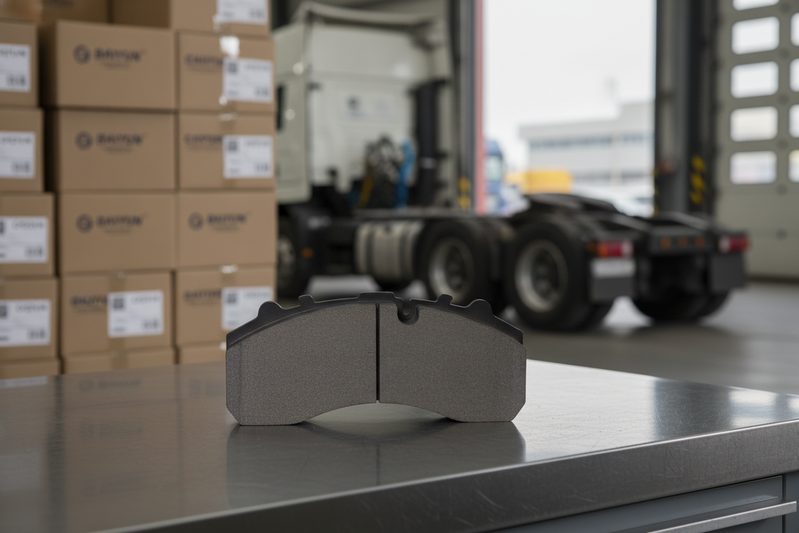
Consider this: BAIYUN Brake has been manufacturing brake friction materials since 1974. Our facility holds IATF 16949 and our CV brake pads are ECE R90 approved. We ship to over 50 countries, handling everything from sample orders to full container loads. The Stemco parent buyout of Rome Tool and Die doesn't change our role—it actually makes it more relevant. When the big players consolidate, the independent, technically capable factories become the critical second source. Or the primary one.
Ready to diversify your brake parts supply chain? Request a quote for commercial vehicle brake linings or submit your inquiry to our sales team today. Let's discuss private-label programs, technical specifications, and delivery timelines that fit your fleet's schedule.
Was this article helpful?
Average Rating: 5/5 (460)