
How different will ceramic brake pads be from OEM (semi-metallic)? – Reddit
Summary:
How different will ceramic brake pads be from OEM (semi-metallic)? - Reddit drives this B2B technical guide for fleet buyers, distributors, and maintenance teams. Ceramic aftermarket pads differ from OEM semi-metallic pads in metal content, heat transfer, rotor wear, dust, and cost. Semi-metallic pads typically contain 30–70% metal and remain the default for heavy commercial vehicles. Ceramic pads can run quieter and produce less dust, but they push more heat into calipers and may not meet heavy-axle cold friction requirements. This article covers WVA verification, ECE R90 approval, IATF 16949 quality checks, MOQ and lead time, private label options, and a buyer verification checklist for truck and bus brake pad sourcing. BAIYUN Brake supplies commercial vehicle brake pads and linings for fleets and distributors worldwide.
How different will ceramic brake pads be from OEM (semi-metallic)? - Reddit
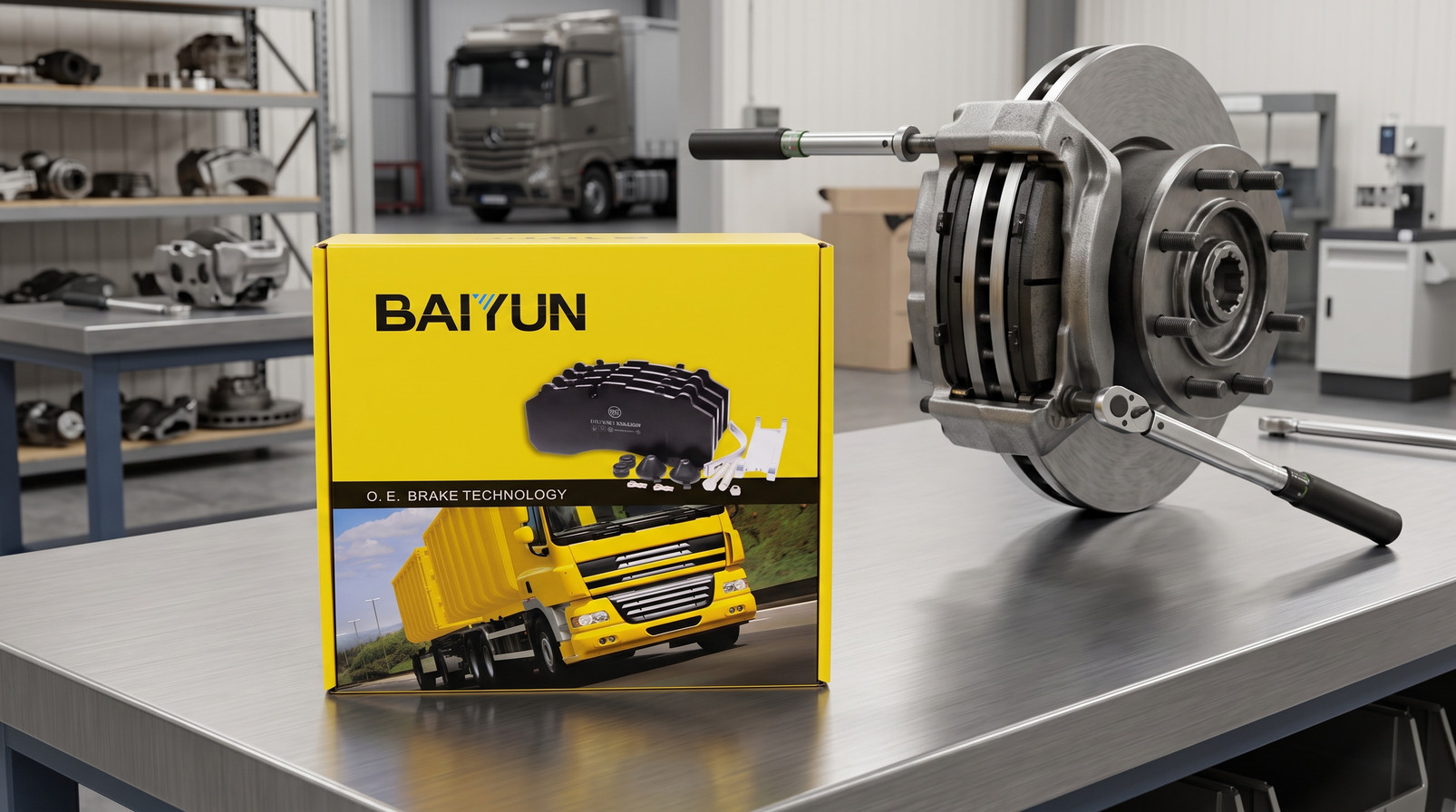
Quick answer: For commercial vehicles, OEM semi-metallic pads and ceramic aftermarket pads differ in metal content, heat transfer, rotor wear, dust, and noise. OEM semi-metallic pads typically contain 30–70% metal by weight and are the default for heavy trucks and buses. Ceramic pads can run quieter and produce less visible dust, but they push more heat into calipers and may not match heavy-axle cold friction needs. Fleet buyers should never swap pad chemistry without dynamometer data tied to WVA reference and ECE R90 approval. Confirm with supplier catalogue.
Why Do Fleet Buyers Keep Asking This Question on Reddit?
Reddit threads mix advice from city bus, highway truck, and trailer contexts, so a maintenance manager can easily apply the wrong conclusion to a 40-tonne combination. That's the real hazard. In heavy-duty braking, thermal load and axle weight change everything. Semi-metallic pads dominate OEM commercial vehicle disc brake fitments because their metallic skeleton absorbs and dissipates heat under repeated stops. Ceramic compounds, by comparison, transfer more heat through the pad into the caliper. On a 16-ton bus descending a grade, that extra heat load can shorten caliper seal life and create fade earlier if the friction formulation wasn't validated for that specific axle. If you are sourcing for a distributor network, the question isn't which pad is 'better'. It's which pad remains predictable across your customers' worst routes. Start with browse our heavy-duty brake pad range.
What Actually Changes Between Ceramic and OEM Semi-Metallic in Commercial Vehicles?
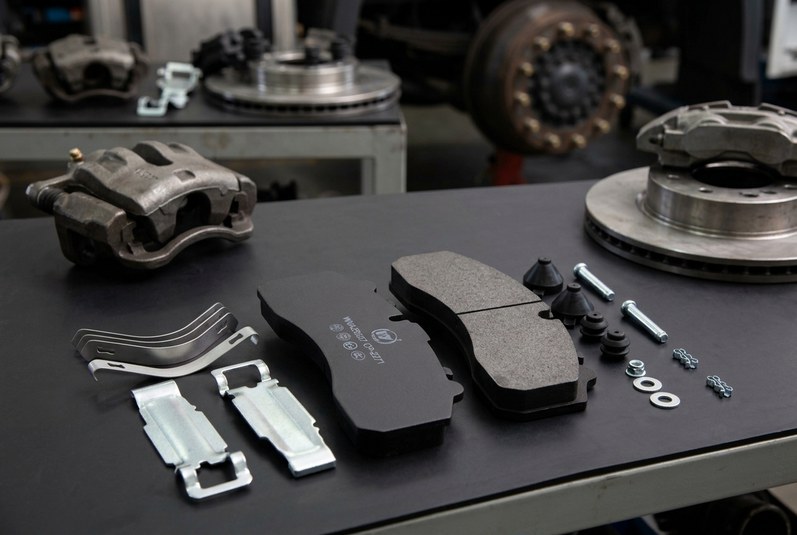
Chemical composition drives the performance gap. OEM semi-metallic pads in trucks and buses typically use 30–70% steel, iron, or copper fibers mixed with graphite and fillers. Ceramic formulations replace much of the metal with ceramic fibers and nonferrous fillers. The result is lower abrasive rotor wear and less dark dust, but also lower thermal conductivity. So less heat transfers into the pad and more into the disc and caliper. Is that a problem? On a loaded trailer, yes. Caliper temperature can climb 20–35°C higher with ceramic pads if the system wasn't designed for that chemistry. Rotor wear drops, but caliper maintenance cost can rise. That's a trade-off fleet managers need to see on a dynamometer, not a forum.
| Parameter | OEM Semi-Metallic | Ceramic Aftermarket | Fleet Impact |
|---|---|---|---|
| Metal content | 30–70% steel/iron/copper | Low metal, ceramic/aramid fibers | Affects thermal conductivity and cold bite |
| Heat absorption | High pad heat absorption | Lower pad heat absorption | More heat passes to disc/caliper |
| Rotor wear | Moderate to high | Lower | Rotor replacement interval may extend |
| Dust and noise | Visible metallic dust, higher low-speed noise | Less visible dust, quieter | Better urban bus stop experience |
| Cold friction | Strong initial bite in cold/wet | Can be weaker until warm | Risk for loaded trucks in winter |
| Cost per axle set | Lower to moderate | Higher | Upfront cost vs longer rotor life |
These are typical ranges. Always tie them to the exact WVA reference and the supplier's test report.
What Do IATF 16949 and ECE R90 Actually Mean for a Commercial Brake Pad Quote?
Certification is not decoration. IATF 16949 says the plant runs a quality management system designed for series production in the automotive and commercial vehicle supply chain. ECE R90 approval says the aftermarket pad passed performance testing against the original component within defined speed, pressure, and temperature windows. For commercial vehicles, ECE R90 testing matters because it forces the pad to stay within a friction performance band under repeated braking. Buyers sourcing from a Chinese brake pad manufacturer should request both certificates plus the specific test report tied to the WVA number. No WVA number? Then you can't verify the approval matches the axle you're buying for. Check IATF 16949 certified facility details before you move to sampling.
How Should a Distributor or Maintenance Team Compare Ceramic and Semi-Metallic Pads Before Buying?
Most sourcing mistakes happen before any pad reaches a test bench. Use the following verification checklist to keep ceramic and semi-metallic options honest.
- Confirm the exact WVA reference from the supplier catalogue for your truck, bus, or trailer axle
- Request the ECE R90 approval number and the full test report, not just the certificate
- Ask for friction coefficient data at cold, 100°C, 250°C, and 350°C from dynamometer testing
- Compare caliper temperature rise on a representative loaded route, not empty highway running
- Verify batch-to-batch consistency data under IATF 16949 production controls
- Check lead time, minimum order quantity, and private label packaging options before committing
- Get a written wear-life projection based on axle load and route profile, not generic marketing claims
If installation support is part of your customer promise, see commercial vehicle brake service for axle-specific guidance.
How Does Sourcing Work for Commercial Vehicle Brake Pads from BAIYUN Brake?
If you're importing truck or bus brake pads, the chemistry question is only half the decision. You need a supplier who can hold formulation, WVA reference, and packaging across repeat orders. BAIYUN Brake supplies commercial vehicle brake pads and brake linings to fleets, distributors, and trailer builders under IATF 16949 and ECE R90. Our export team can arrange private label boxes, neutral packaging, or your own brand print. Minimum order quantities depend on the WVA number and formulation; common program starts support mixed-container loading for brake pads and linings. Typical production lead time runs 25–40 days after artwork and deposit approval, plus ocean freight to your port. We recommend requesting samples of both semi-metallic and ceramic compounds for your worst route test before committing to a container. For a broader view, request a quote for commercial vehicle brake linings and check the pad-lining mix your current customers actually rotate.
Frequently Asked Questions From Fleet Buyers
Q: Are ceramic brake pads better than OEM semi-metallic for heavy trucks?
A: Not automatically. Ceramic pads produce less dust and noise, but heavy trucks usually need semi-metallic formulations for heat management. At BAIYUN Brake, we tell buyers any ceramic compound must be axle-specific and ECE R90 approved before fleet use.
Q: Do ceramic pads transfer more heat into the braking system?
A: Yes. Ceramic and copper have lower heat absorption than steel-heavy semi-metallic compounds, so more heat passes into the disc and caliper. This can raise caliper temperature by 20–35°C on loaded descents.
Q: Can I use a WVA reference to check if a ceramic pad matches my OEM semi-metallic pad?
A: Yes, WVA reference is the starting point for fitment. But same WVA doesn't guarantee same performance. Request the dynamometer report and ECE R90 approval for that WVA number from the supplier catalogue.
Q: What's the minimum order quantity for private label commercial brake pads?
A: MOQ varies by WVA number and packaging type. At BAIYUN Brake, mixed-container programs often start with a manageable initial order, and our export team confirms lead time and artwork requirements before quoting.
Q: How do I verify a Chinese brake pad manufacturer's certification?
A: Ask for current IATF 16949 and ECE R90 certificates, then match the test report to the exact WVA number you're buying. A trustworthy supplier will provide both without hesitation.
Bottom Line for Fleet Buyers
Frankly, ceramic aftermarket pads aren't a direct upgrade over OEM semi-metallic for every commercial vehicle. They're a different tool. If your route profile includes repeated loaded stops or mountain grades, the heat transfer difference alone should make you pause. If you're chasing lower rotor wear and less dust for city buses, a properly validated ceramic compound might earn its cost. The smart move is data, not forum consensus. Request pad samples, compare dynamometer reports, and tie every quote to a WVA number and ECE R90 approval.
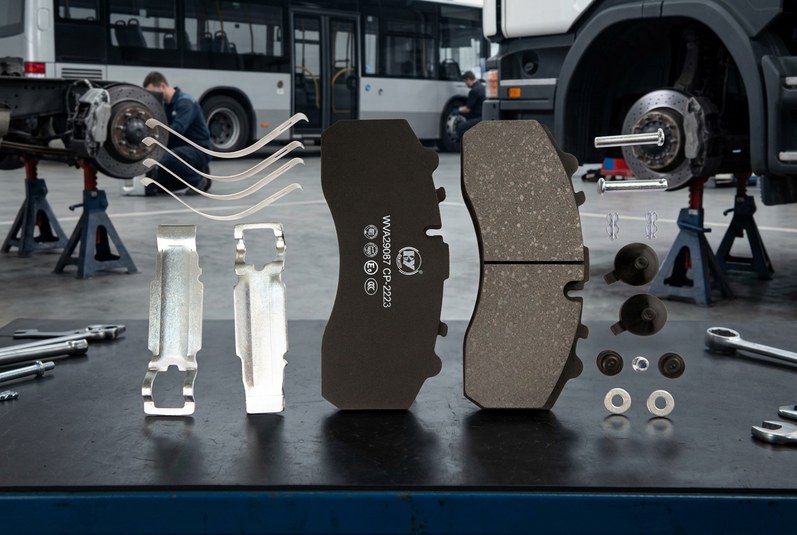
If you're sourcing commercial vehicle brake pads or brake linings, request a quote for commercial vehicle brake linings or contact us for a quote. Our export team can guide you through WVA verification, sample testing, and private label options.
Was this article helpful?
Average Rating: 5/5 (191)