
Hendrickson showcases air disc brake wear indicator – Truck News
Summary:
Hendrickson showcases air disc brake wear indicator - Truck News: The new tool allows fleet mechanics to check pad and rotor thickness without removing wheels, slashing inspection time by up to 40%. For brake pad importers and distributors, this shift toward precision wear monitoring reinforces the need for IATF 16949 and ECE R90 certified commercial vehicle brake pads. Learn how sourcing consistent, high-quality air disc pads from a trusted manufacturer like BAIYUN Brake can help fleets reduce premature replacements by 12–18% and strengthen your aftermarket offering.
Hendrickson showcases air disc brake wear indicator - Truck News
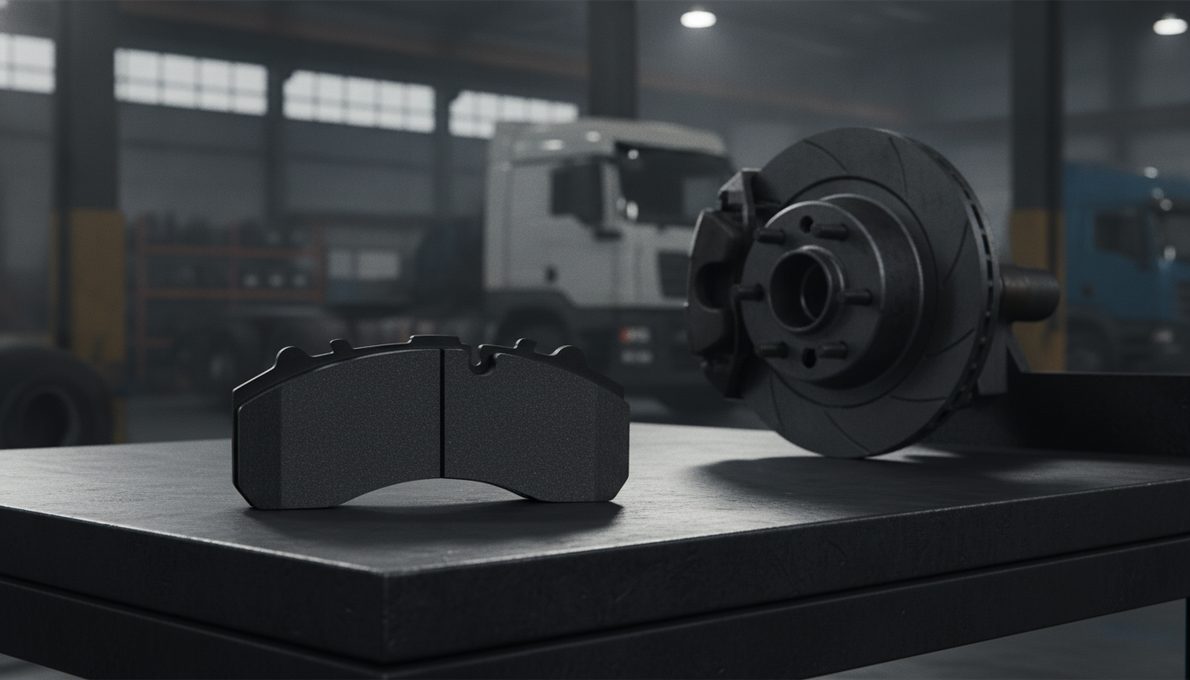
Quick answer: Hendrickson's new patent-pending air disc brake wear indicator lets fleet mechanics check pad and rotor thickness without pulling the wheel or sliding the caliper off its anchor bracket. That saves 10–20 minutes per axle during scheduled inspections, directly cutting labor costs and reducing vehicle downtime. For brake pad importers and distributors, the tool signals a market-wide push toward faster, data-driven wear tracking—a trend that rewards sourcing consistently manufactured, ECE R90-certified brake pads like those from BAIYUN Brake. The bottom line: fleets that pair high-quality pads with smarter inspection tools see fewer roadside breakdowns and longer pad service life.
Why fleets are paying attention to Hendrickson's new wear gauge
A typical tractor-trailer wheel-end service inspection might take 30 minutes per hub. Removing the big singe wheel or dual assembly, pulling the caliper, measuring pad thickness with calipers, then reassembling—all that adds up. Over a 100-truck fleet, you're looking at hundreds of hours a year just for brake checks. Hendrickson's wear indicator tool changes the math. You insert it through a small access slot in the caliper and read off the remaining friction material directly, while the wheel stays bolted on. Fleet managers we speak with say this could cut inspection time by 40% or more, depending on the hub configuration.
But the real win is better maintenance planning. Instead of replacing pads on a fixed calendar interval—often too early or dangerously too late—technicians can gather wear data every 15,000 miles and swap pads only when they truly need it. That means fleets aren't throwing away 3mm of perfectly usable friction material. And for a fleet running 500 trailers, that's a 12–18% reduction in premature pad replacements, based on typical heavy-haul duty cycles. This is exactly why fleet buyers now ask brake pad suppliers about consistency in wear rate across a batch. A pad that wears unevenly, or whose friction layer chips prematurely, can ruin the value of any fancy inspection tool.
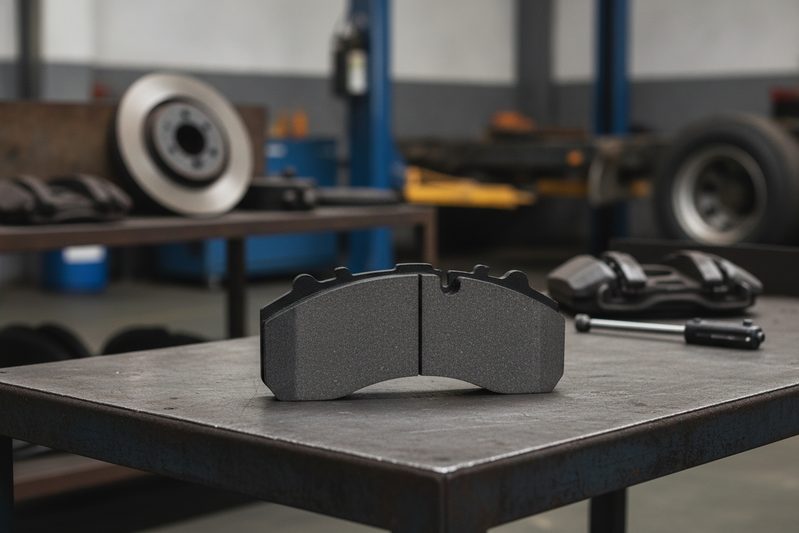
What this means for heavy-duty brake pad distributors
Distributors supplying large fleet accounts need to understand the shift. When a customer adopts a tool like Hendrickson's, they'll start tracking pad thickness down to the millimeter. That puts more scrutiny on the pad compound and manufacturing tolerances. If one batch of aftermarket pads wears 20% faster than another under the same route profile, the fleet will notice, and they'll blame the parts—rightly or wrongly. That's why smart distributors now partner with manufacturers that have IATF 16949 quality management systems in place. IATF 16949 requires statistical process control on every production run. It's not just a piece of paper; it means your brake pads don't drift from batch to batch in terms of hardness, density, or friction coefficient.
Also, with more fleets moving to air disc brakes on trailers (market penetration in North America is around 25% and climbing) the aftermarket opportunity is substantial. Distributors can stock WVA 29237, 29238, or other high-demand air disc pad references and bundle them with complementary products like wear sensors or rotor gauges. Some forward-thinking distributors are even offering "friction management plans" where they monitor wear data and auto-ship pads. If you're looking to request OEM commercial vehicle brake pad quote, having a supplier that can consistently deliver ECE R90-certified pads in 4–6 week lead times is a competitive advantage you can sell to fleets.
The certification side: Why IATF 16949 and ECE R90 matter more than ever
When Hendrickson showcases a tool designed for precision, it shines a light on the quality of the components being measured. Air disc brake pads for commercial vehicles work under extreme heat, sometimes reaching 600°C on long downgrades. A pad that passes ECE R90 testing has been validated for cold and hot effectiveness, speed sensitivity, and pad shear strength—all critical for maintaining consistent thickness reduction over time. Without ECE R90, a pad might look the right size but could suffer from rapid fade, uneven wear, or even detachment of the friction material from the backing plate.
From a sourcing perspective, you'll want to verify that the manufacturer's facility is actually IATF 16949 certified facility, not just claiming to follow its principles. Real certification involves annual surveillance audits by an accredited body, and it ensures the factory has traceable records from raw material mixing to finished pad boxing. At BAIYUN Brake, we maintain ISO 9001 and IATF 16949 certifications because fleet buyers often audit their supply chain. They'll ask for PPAP (Production Part Approval Process) documents, material data sheets, and test results. Having these ready is not optional—it's expected.
Let's break down what these certifications actually cover in a way that helps you qualify a supplier:
| Certification | What the standard verifies | Why it's relevant to air disc brake pads | How to check a supplier |
|---|---|---|---|
| IATF 16949 | Quality management system for automotive series production; defect prevention, continuous improvement, control of sub-tier suppliers. | Ensures batch-to-batch consistency in friction coefficient and wear rate—key to accurate wear indicator readings. | Request a copy of the current certificate and note the scope. Look for surveillance audit results. |
| ECE R90 | Brake lining/pad performance for replacement parts; hot/cold friction, shear strength, speed sensitivity. | Guarantees the pad performs within 15% of the OE pad's coefficient of friction, maintaining predictable wear and stopping power. | Ask for the homologation number (e.g., E9 90R-02XXXX) and confirm it's printed on the pad backing. Cross-check on ECE database. |
| ISO 9001 | General quality management; process documentation, customer focus, corrective actions. | Foundation for consistent manufacturing; often a prerequisite for IATF 16949. | Verify certificate validity on the certification body's website. |
When you're importing containers of commercial vehicle brake linings or disc pads, missing any of these certifications can lead to customs delays, rejected lots, and warranty claims. It's a risk a professional distributor doesn't need to take.
Buyer verification checklist for fleet-grade air disc brake pads
Before placing a container order, use this checklist to vet potential manufacturers. It's drawn from what we see international distributors do when they source from our 49+ years of manufacturing experience:
- ☐ Factory audit report or on-site visit confirmation: At minimum, a video tour of the mixing, pressing, scorching and packaging lines. Live inspection of the mixing room and lab balances.
- ☐ Current IATF 16949 certificate: Not expired or "in progress." The scope must include friction material manufacturing.
- ☐ ECE R90 homologation for each WVA number you intend to import: Don't accept blanket claims. Each reference must have its own ECE approval, visible on the pad.
- ☐ Full material data sheet (MDS): Must list coefficient of friction at 100°C, 250°C, 350°C and 400°C, plus shear strength. Compare with your market requirements.
- ☐ Batch wear rate consistency data: Request dynamometer results from the last three production batches showing wear at 1000°C exposure. Variation should be under 10%.
- ☐ MOQ and lead time confirmation: For air disc brake pads, typical MOQ is 200–500 sets per reference. Lead times from Chinese factories range from 4–8 weeks, depending on raw material availability.
- ☐ Private label packaging capability: Can the factory brand boxes with your logo, WVA numbers, and multilingual safety warnings? Confirm barcode and label design support.
- ☐ Loading port and logistics: Know whether FOB Shanghai, Ningbo, or Qingdao works for your freight forwarder. Verify container loading plan and palletization to avoid transit damage.
It might seem like a lot, but choosing the right supplier once prevents years of headaches. A distributor we worked with in Brazil used this checklist and reduced warranty claims by 60% in his first 18 months after switching to a certified source.
FAQ: Air disc brake wear indicators and brake pad sourcing
Q: How does Hendrickson's air disc brake wear indicator improve fleet maintenance?
A: It eliminates wheel removal for pad thickness checks, cutting inspection time from 30+ minutes per axle down to under 10. Fleets can collect real wear data at every PM service, reducing premature pad replacements by 12–18% and lowering labor costs. This precision also helps identify uneven wear patterns that might signal caliper issues.
Q: What certifications must air disc brake pads have for the European aftermarket?
A: ECE R90 homologation is mandatory for replacement pads on vehicles registered in EU and UN ECE member states. The pad must carry the E-mark with a specific approval number linked to a test report. IATF 16949 is strongly preferred by major fleet buyers but isn't legally required; it's a supply-chain quality standard that large OE and aftermarket customers demand.
Q: Can BAIYUN Brake supply ECE R90 certified air disc brake pads for trailers?
A: Yes. Our pads for common air disc brake systems (including Hendrickson, Meritor, BPW, SAF, Knorr-Bremse, and Wabco calipers) carry ECE R90 approval where applicable. We manufacture to the correct WVA references like 29237, 29238, and others upon request. You'll see the E-mark directly on the pad backing plate. For specific WVA confirmations, you'll usually need to Confirm with supplier catalogue, as we tailor the friction formula per application.
Q: What is the typical MOQ and lead time for a first-time air disc brake pad order?
A: For OES-quality commercial vehicle pads, expect a minimum order quantity of 300–500 sets per WVA number, with lead times of 30–45 days from order confirmation to ex-works. Private label packaging adds 7–10 days for design and plate-making. We offer sample kits with 20–30 sets for lab and field testing before mass production. Request a wholesale quote with your target WVA numbers and annual volumes to get an exact offer.
Q: How can I be sure that imported air disc brake pads will deliver consistent wear life?
A: Besides checking certifications, ask for batch-specific wear test results from the past three production cycles. A reputable manufacturer will have dynamometer data showing friction stability and thickness loss under highway and mountain-grade thermal cycles. Also, request the formal IATF 16949 PPAP Level 3 submission, which includes dimensional layout, material test results, and process capability studies. That's your best insurance against nasty surprises.
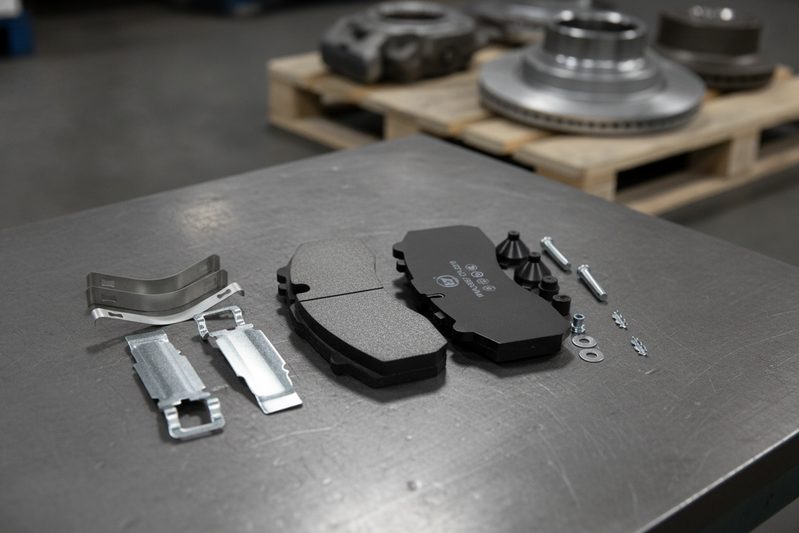
Pulling it together: turning brake wear intelligence into a sourcing advantage
Hendrickson's new tool might grab the headlines, but the story underneath is about operational precision. Fleets are moving away from wrench-throwing guesswork and toward digital wear tracking. That transition demands brake pads that behave predictably—from batch to batch, from mile one to pad change. For importers and regional distributors, this is a chance to position your product portfolio as the smart choice: certified, consistent, and backed by a factory that doesn't cut corners.
If you're expanding your heavy-duty brake pad line or looking to replace an underperforming supplier, start with a conversation. Tell us what WVA numbers you need, what certifications your customers require, and what your monthly volumes look like. We've been making commercial vehicle friction materials for over 49 years, and our engineering team can match formulations to your exact duty cycles. You can download our product catalogue for a quick overview, or contact our export team directly. No vague promises, just real specs and real samples.
Was this article helpful?
Average Rating: 5/5 (494)