
Commercial truck brake pads supplier China: Importer and Distributor Buying Guide
Summary:
Sourcing a commercial truck brake pads supplier China doesn't have to be a gamble. This importer and distributor buying guide shows you how to verify certifications, audit factories remotely, and negotiate MOQs and lead times that protect your margins. Learn why BAIYUN Brake's IATF 16949 and ECE R90 credentials, combined with 49+ years of manufacturing, make it a reliable partner for fleet-quality disc brake pads.
Commercial truck brake pads supplier China: Importer and Distributor Buying Guide
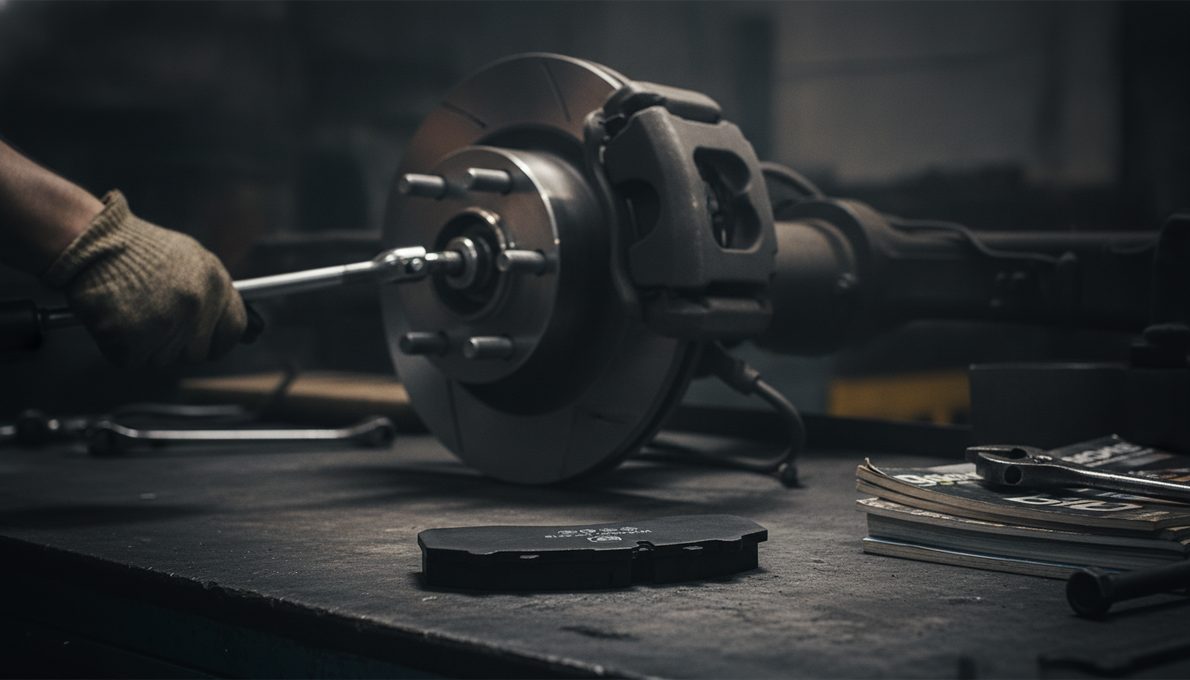
Quick answer: Sourcing commercial truck brake pads directly from a China-based manufacturer like BAIYUN Brake can cut your per-unit cost by 15–30% while still meeting European ECE R90 safety standards. The key lies in verifying IATF 16949 production systems, auditing factory capability, and locking in transparent MOQs and lead times. This guide walks you through the exact steps successful importers take—so you can avoid the typical pitfalls and build a profitable, reliable supply chain.
What's Behind the Shift Toward Chinese Brake Pad Suppliers?
By 2026, the global commercial vehicle parc has expanded by over 12% compared to pre-pandemic levels. Fleet operators and distributors are no longer just chasing the lowest sticker price—they need consistent quality that keeps trucks on the road. Direct factory sourcing from China has become a strategic move, not a gamble. Why? A heavy-duty truck brake pad set ex-factory in Shandong can cost 30–50% less than an equivalent imported branded pad, even after factoring in logistics.
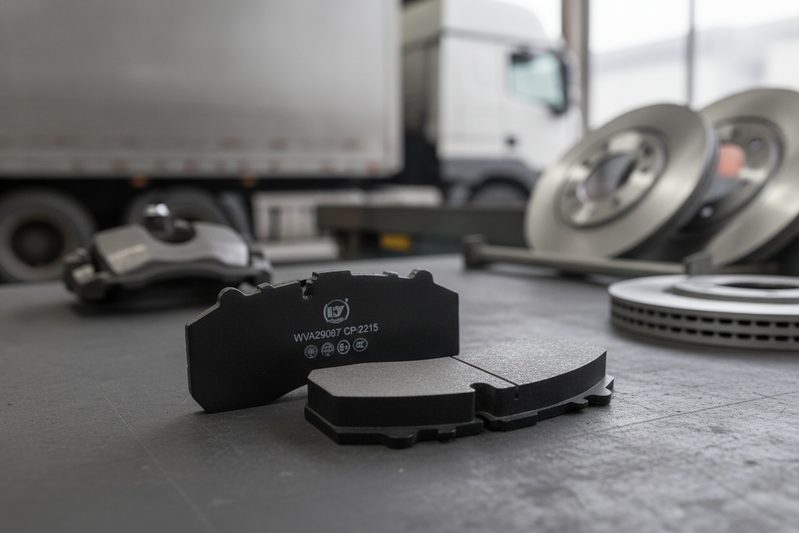
BAIYUN Brake, for example, supplies container loads to over 30 countries, delivering friction formulations that meet ECE R90 across temperature ranges from 100°C to 400°C. Their commercial vehicle disc brake pads, like the CP2218 series, are engineered for predictable wear—something fleet maintenance managers value more than a flashy logo. Browse our heavy-duty brake pad range to see real product specs.
What Certifications Separate Serious Suppliers from Trading Companies?
A low price means nothing if the pads can't pass a roadside inspection or cause premature rotor wear. For commercial truck brake pads entering the EU, Middle Eastern, or Australian markets, two certifications are non-negotiable: ECE R90 and IATF 16949. ECE R90 requires that the brake pad maintain at least 80% of its cold braking effectiveness after thermal cycling to 400°C and stay within 15% of the original equipment's friction coefficient. IATF 16949 is the global standard for automotive production quality management—it's not just a paper exercise; it means the factory's process control, batch traceability, and defect prevention are audited annually.
BAIYUN Brake holds both certifications. Their IATF 16949 certified facility in China runs dynamometer tests on every new formulation using SAE J2522 procedures, documenting friction coefficient curves at multiple speed and pressure points. When you ask for test reports, a serious supplier hands over pages of data, not a one-page summary.
How Can You Verify a Supplier Without Flying to China?
Physical audits still matter, but you don't have to book a flight. Request a live video walkthrough of the production line, mixing station, and testing lab. Look for automated batching, robotic pressing, and in-line scoring. A factory that's willing to show you around on short notice is already ahead of 80% of trading companies that operate out of a shared office.
Equally important is the document trail. The table below outlines the minimum verification packet every importer should demand before placing a container order.
| Document / Request | What It Proves | How to Validate |
|---|---|---|
| IATF 16949 certificate | Process quality management, consistent production | Check validity on IATF database or via certification body |
| ECE R90 homologation | Brake pad meets European safety performance standards | Request ECE approval number (starts with E1, E4, etc.) and verify on UNECE website |
| REACH and RoHS compliance | No banned substances; EU market entry | Request test reports from accredited labs |
| Dynamic friction coefficient reports | Real-world braking consistency across temperatures | Ask for full SAE J2522 test matrix, not just nominal values |
| Batch production records | Traceability from raw material to finished pad | Confirm records link to specific purchase orders |
BAIYUN Brake provides all of the above as standard. You can even see factory photos and request a live video tour to inspect the exact production line that would handle your order.
What About MOQs, Lead Times, and Shipping Costs?
MOQs for commercial truck brake pads from Chinese factories typically start at 100–200 sets per part number. Some suppliers accept smaller trial orders of 50 sets but at a 10–15% unit price premium. BAIYUN Brake often accommodates first-time buyers with flexible MOQs for popular OE references—a practical bridge for distributors testing a new market without overcommitting inventory.
Lead time from order confirmation to FOB shipment usually runs 25–45 days. If the SKU is in high rotation, it can dip to 20 days. Air freight is an option at 3–7 days transit but costs 3–5x sea freight, making it borderline for anything beyond samples. A 40-foot container from Qingdao to Rotterdam typically takes 28–34 days and costs around $2,200–$2,800 depending on fuel surcharges and season—numbers that can make or break your landed cost.
OEM and Private Label: What Options Do Distributors Have?
Many Chinese brake pad suppliers can print your logo on a box, but genuine private label capability goes deeper. It should include custom friction level tuning, pad chamfer and slot configuration changes, and bespoke packaging design. BAIYUN Brake offers full OEM and private label services, from laser marking your part numbers on the backing plate to developing a unique friction formulation for a fleet's specific duty cycle—say, a bus fleet doing constant stop-start operations in Middle Eastern heat. Wholesale CV brake lining inquiry can start with a simple conversation about your target application.
What Should Your Pre-Shipment Checklist Look Like?
Even with a trusted supplier, pre-shipment due diligence separates profitable containers from costly rejects. Here’s a checklist that experienced importers run before releasing final payment:
- Confirm sample batch approval via video or photos before full production kicks off.
- Arrange third-party lab testing of random samples pulled from the actual production run—don’t rely on the supplier’s own lab data alone.
- Schedule a pre-shipment inspection (PSI) covering dimensions, Rockwell hardness, shear strength, and friction coefficient spot checks.
- Verify packaging conformity: right box weight, correct bar codes, pallet load stability.
- Check documentation: commercial invoice, packing list, certificate of origin, fumigation certificate, and ECE R90 homologation copy per shipment.
Frequently Asked Questions
Q: What's the minimum order quantity for truck brake pads from China?
A: Typically 100–200 sets per part number, but some manufacturers like BAIYUN Brake offer starter quantities of 50 sets for first-time importers. MOQs can be negotiated based on total container load and your willingness to pay a small premium for lower volumes.
Q: How long does it take to ship commercial brake pads from China to Europe?
A: Sea freight usually takes 25–35 days to major European ports, plus 5–7 days for customs clearance. Air freight is 3–7 days but costs 3–5x more, making it viable only for urgent low-volume orders or sampling.
Q: Are Chinese brake pads really safe for heavy-duty trucks?
A: Yes, provided they carry ECE R90 certification and come from IATF 16949-certified factories. ECE R90 mandates performance within 15% of the OEM original coefficient of friction, ensuring safe stopping distances even under full load.
Q: Can I get brake pads with my own logo and packaging?
A: Most mid-sized and large Chinese manufacturers offer OEM and private labeling. BAIYUN Brake, for example, handles everything from custom box artwork to pad laser marking, often with zero setup cost for runs above 500 sets.
Q: What's the typical price difference between certified and non-certified truck brake pads?
A: Certified pads may cost 15–25% more ex-factory, but non-certified products carry higher rejection risk and are illegal for road use in EU and many other markets. The price gap rarely outweighs the compliance risk—one failed inspection can destroy your distributor reputation overnight.
With why choose BAIYUN Brake comes down to a track record of 49+ years, IATF 16949 and ECE R90 compliance, and a willingness to adapt to your supply chain needs. Stop treating Chinese sourcing as a price-only play. Build a supplier partnership that gives you control over quality, cost, and consistency.
Was this article helpful?
Average Rating: 5/5 (815)