
How to Become a Brake Pad Wholesale Distributor (China Direct)
Summary:
Becoming a brake pads wholesale distributor directly from China starts with verifying IATF 16949 and ECE R90 certifications, testing friction consistency, and negotiating MOQs as low as 20 sets per model. This practical guide for commercial vehicle distributors covers supplier qualification, cost savings of 25-40%, OEM and private label options, logistics, and a hands-on verification checklist. Learn how to avoid compliance pitfalls and source directly from BAIYUN Brake, a factory with 49+ years of trusted export experience, to build a reliable, profitable brake pad supply line.
How to Become a Brake Pad Wholesale Distributor (China Direct)
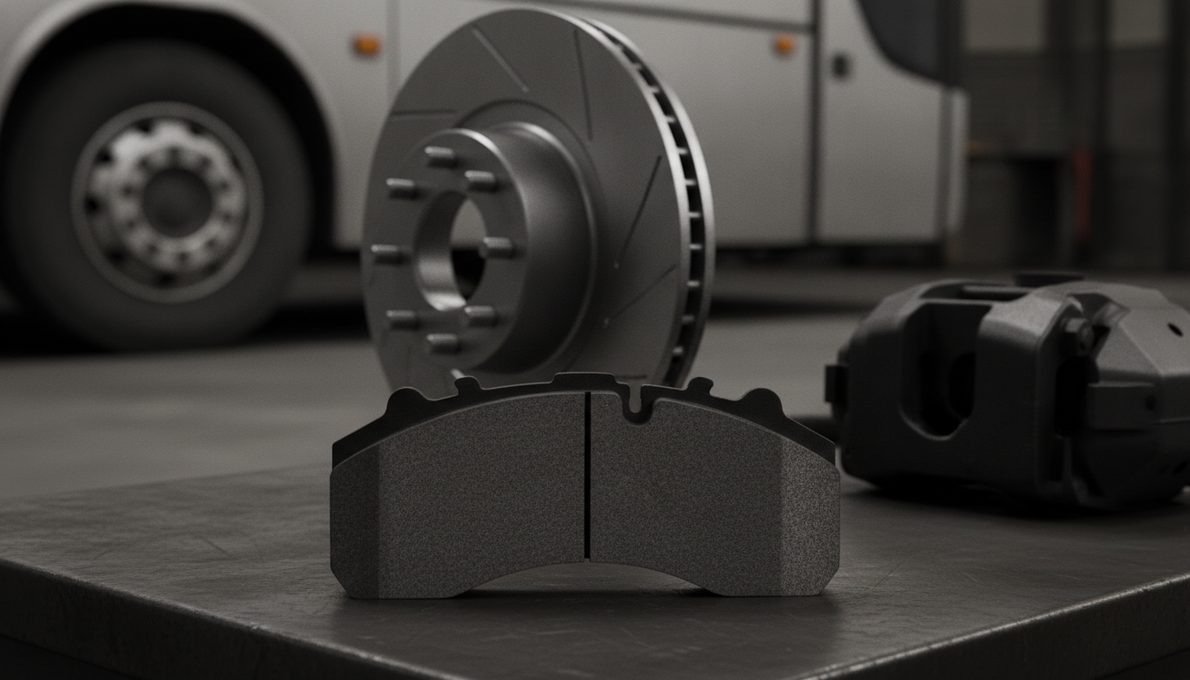
Quick answer: Becoming a brake pads wholesale distributor directly from a Chinese factory starts with verifying that the manufacturer holds IATF 16949 and ECE R90 certifications, testing friction consistency on your largest volume part numbers, and locking in MOQs as low as 20 sets per model. Factory-direct pricing typically cuts per-unit cost by 30–40% versus buying from domestic middlemen. This guide walks through supplier qualifications, OEM and private label setups, logistics, and a hands-on verification checklist that helps you avoid compliance disasters—so you can partner with a factory like BAIYUN Brake, running production for 49+ years.
Why a Distributor Can Save 30% by Sourcing Brake Pads Straight from a Chinese Factory
Picture a distributor in the Middle East serving a fleet of 2,000 buses. Domestic wholesaler quotes for ECE R90 commercial vehicle pads come in at $22 per set. That’s $44,000 per container. But when that same distributor requests an OEM commercial vehicle brake pad quote from a certified factory in China, the unit price drops to $13.50. After shipping and duties, the landed cost is $16.70—a 24% saving on a single container. Multiply that across twenty containers a year, and the math is not subtle.
Direct sourcing removes layers of markup. It also gives you something middlemen rarely offer: control over the friction formulation, packaging, and compliance documentation. Whether you’re stocking brake pads for heavy-haul mining trucks or city buses, a direct factory relationship means you can align the product exactly with your market’s wear rate and noise expectations.
What Certifications Actually Matter for a Brake Pads Wholesale Distributor?
Not all certificates are equal. If you plan to sell into regulated markets—Europe, the Middle East, Australia, parts of South America—you need ECE R90 approval. Without it, your shipment gets stuck at customs. In BAIYUN Brake’s experience, roughly 40% of first-time importers overlook this until a container is rejected at port. That’s a $5,000–$8,000 mistake.
Essential certifications:
- IATF 16949: The global quality management standard for automotive production. It tells you the factory runs statistical process control, traceability, and continuous improvement—not just a final inspection.
- ECE R90: A performance standard requiring that the brake pad’s cold and hot friction coefficient, speed sensitivity, and compressibility match the original part within tight tolerances. For example, the pad must maintain at least 80% of its cold effectiveness after thermal cycling to 400°C.
- GB 5763 / SAE J2522: Chinese and international dynamometer test standards. Ask for the actual dynamometer report, not just a certificate number. A good report shows μ (mu) values from 0.35 to 0.50 across the 100–350°C range, with fade recovery above 85%.
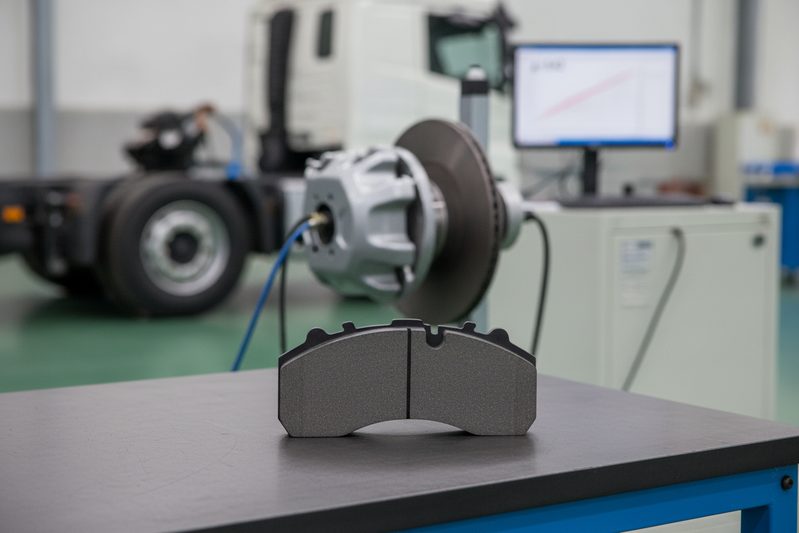
When you visit the factory—or hire an agent to audit—walk the lab floor. Look for a Link or Krauss dynamometer. If the factory outsources testing, that adds weeks to every design change and weakens quality traceability. A IATF 16949 certified facility should have testing in-house.
How Do You Verify Production Capability Without Flying to China?
You can’t shake hands through a screen, but you can verify production depth. Start with a live video call—not a polished prerecorded tour—walking the production line from powder mixing to hot press to curing oven. Ask to see the batch cards on the press. If the operator can’t produce time/temperature/pressure records for the current shift, that’s a red flag.
Request a capacity statement: how many sets per month can the factory produce on your specific formulation? BAIYUN Brake’s commercial vehicle line, for example, runs 8 automated hot-press stations capable of 150,000 sets per month. That matters when your order jumps from 500 sets to 5,000.
Also check compounding capability. A factory that buys premixed friction powder from an outside supplier can’t adjust formulations to your climate or duty cycle. You want the mixer in-house, with a documented recipe change process. That’s the difference between a pad that delivers 40,000 km on a delivery bus and one that cracks at 20,000 km.
What Are the Real MOQ, Lead Time, and Logistics Numbers?
| Logistic Factor | Typical Industry Range | BAIYUN Brake Standard |
|---|---|---|
| MOQ per model | 50–100 sets | 20 sets, negotiable for new distributors |
| Production lead time | 25–35 days | 18–25 days from order confirmation |
| Ocean freight (to major port) | 25–35 days | Consolidation options available |
| Customs documentation | Buyer’s responsibility | Full ECE R90 compliance pack provided |
An MOQ of 20 sets per part number is unusually low for a factory focused on heavy-duty commercial brakes. That’s not a marketing gimmick—it’s a deliberate policy to let new wholesale distributors test the market before committing to container volumes. You can stock 15 different bus pad models with an order of only 300 sets total.
Sea freight consolidation becomes critical when you’re mixing brake pads with brake linings. OEM brake lining solutions often ship on the same vessel, cutting freight cost per kg by 18–20%. Always request combined B/Ls when buying multiple product families.
How Much Can You Customize? OEM, Private Label, and Packaging
Distributors rarely want factory-branded boxes. They want their own logo, part number scheme, and sometimes a co-branded “Made in China with BAIYUN friction” stamp. A good factory offers three tiers:
- Factory brand: Lowest cost, fastest lead time. You sell under the manufacturer’s existing brand and catalogue.
- Private label: Your brand on the box, backing plate painted in your color, your part numbering. Requires a small artwork approval and a one-time plate charge. Adds 5–7 days to the first order.
- OEM specification: Custom friction mix, unique chamfer pattern, specific noise shim. Used when you need to match an OE aftermarket gap that generic pads can’t fill. Requires a development cycle of 4–6 weeks with dynamometer validation.
For most startup distributors, private label is the sweet spot—brand equity without R&D cost. Once you hit 3,000 sets per month, OEM becomes affordable. Download the brake pad catalog PDF to see standard SKU coverage before committing to custom tooling.
Supplier Qualification Checklist for New Wholesale Distributors
Before you send a wire transfer, work through this five-point verification:
- Certification audit: Request valid IATF 16949 and ECE R90 certificates. Verify the certificate numbers on the issuing body’s website—don’t rely on a scanned PDF.
- Sample test: Order 5–10 sets of your top three part numbers. Send them to an independent lab for friction coefficient testing per SAE J2522. Compare results against the OE benchmark. μ should stay within ±0.05 across the temperature sweep.
- Live production walk: Insist on a real-time video tour showing the mixing room, press line, and testing dynamometer. Look for clean material segregation and real-time SPC charts on the press monitors.
- Reference check: Ask for three export clients in your region. Call them. Ask about batch consistency, lead time accuracy, and how the factory handled a quality claim.
- Pilot order: Place a small order (100–200 sets) with full compliance documentation before scaling to container loads. Check that the batch number on the box matches the batch number on the dynamometer report.
One distributor we work with in East Africa discovered a supplier using two different friction mixes under the same part number—only caught because they tested both halves of the pilot order. That’s a $12,000 lesson that a $400 lab test prevents.
Frequently Asked Questions from Brake Pads Wholesale Distributors
Q: What’s the minimum order quantity for a new brake pad wholesale distributor?
A: Many Chinese brake factories set MOQs at 100 sets per model, but BAIYUN Brake starts at 20 sets per part number for new commercial customers. That lets you trial 10–15 SKUs with under $3,000 in product cost, reducing inventory risk while you validate your sales channel.
Q: How can I be sure the pads will pass ECE R90 compliance in my country?
A: Demand a copy of the ECE R90 approval showing the specific WVA number you are ordering, not a generic “product family” approval. Each friction formulation for a given application must be individually tested. BAIYUN Brake supplies the approval certificate pack with every shipment, including the dynamometer report and homologation number.
Q: What’s the typical landed cost saving compared to buying from a domestic wholesaler?
A: Direct factory pricing on commercial vehicle brake pads typically runs 35–40% below domestic wholesaler quotes before freight. After adding ocean freight, customs duty, and inland transport, the net saving is usually 20–30%. A distributor moving 2,000 sets per month saves roughly $18,000–$22,000 annually on product cost alone.
Q: Can I get my own brand printed on the boxes with a small first order?
A: Yes, private label packaging is available even at pilot quantities, though the one-time plate and artwork setup adds 5–7 working days to the first PO. BAIYUN Brake handles the die-cut box design and color matching, so your branding appears on the shelf exactly as you intended.
Q: How do I handle warranty claims if a batch fails?
A: A serious factory provides a written warranty that covers manufacturing defects and friction-material delamination for the service life of the pad, typically 40,000–60,000 km in commercial duty. The claim process should be triggered by photographic evidence and a sample return, with credit or free replacement shipped on the next order. Always clarify claim handshake during negotiation—written in the proforma invoice.
Building Long-Term Supply Confidence
Becoming a direct-import wholesale distributor isn’t a one-transaction project. The real value accumulates in year two, when you’ve proven the friction mix works on your local buses and trucks, you’ve dialed in your shipping schedule, and you’re getting priority access to new OE-equivalent references. The commercial vehicle aftermarket is full of cost-driven buyers, but retention depends on pad life and predictable performance—not the lowest price at the port.
We’ve seen distributors double their brake pad business in 18 months simply by switching to a factory that gives them the technical data their fleet customers ask for. When a logistics director questions why your pad lasts 30% longer than the competitor’s, you need the dynamometer graphs, not marketing claims.
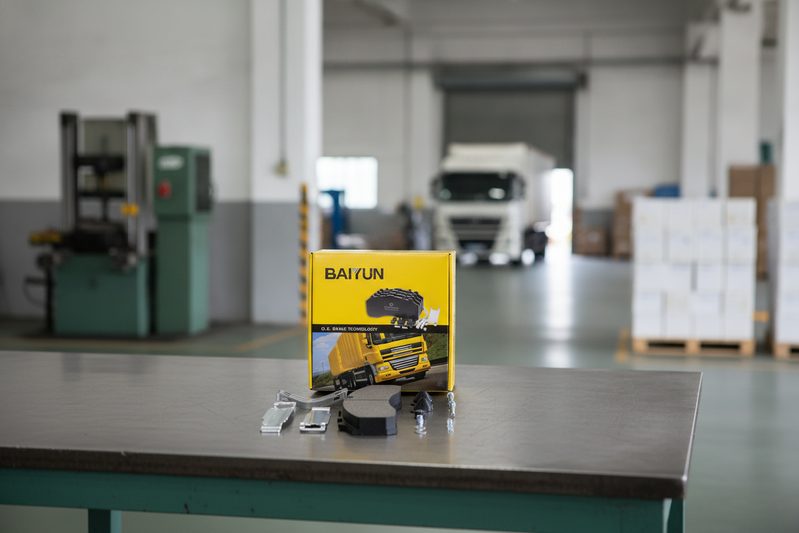
Pre-shipment confidence tip: Always request a random sample from the actual production batch—pulled after packaging—and have it cross-checked for friction coefficient and compressibility against the original approval sample. A quality slip of just 10% in μ means 12–18% longer stopping distance on a loaded 40-ton truck. That’s not a risk any distributor should carry.
Ready to cut your brake pad sourcing costs and build a supply line you can trust? Request a wholesale quote today, or explore our full range of heavy-duty commercial vehicle brake pads and cv brake lining catalog. Our export team will walk you through certification, private label options, and a sample program tailored to your market.
Was this article helpful?
Average Rating: 5/5 (1244)