
How to Compare Truck Brake Pad Quotations on the Same Basis
Summary:
Compare truck brake pad quotations on the same basis by locking pad quantity per axle set, included hardware, packaging specifications, Incoterms, and evidence range. Importers and distributors lose margin when quotes mix per-pad and per-set pricing, omit fitting kits, or hide freight differences. This technical guide shows how to normalize supplier offers using a buyer verification checklist, a comparison table, and a strict evidence package covering ECE R90 approval, IATF 16949 certificates, and batch test reports. BAIYUN Brake explains how to turn messy commercial vehicle brake pad quotes into a true landed cost per service-ready kit.
How to Compare Truck Brake Pad Quotations on the Same Basis
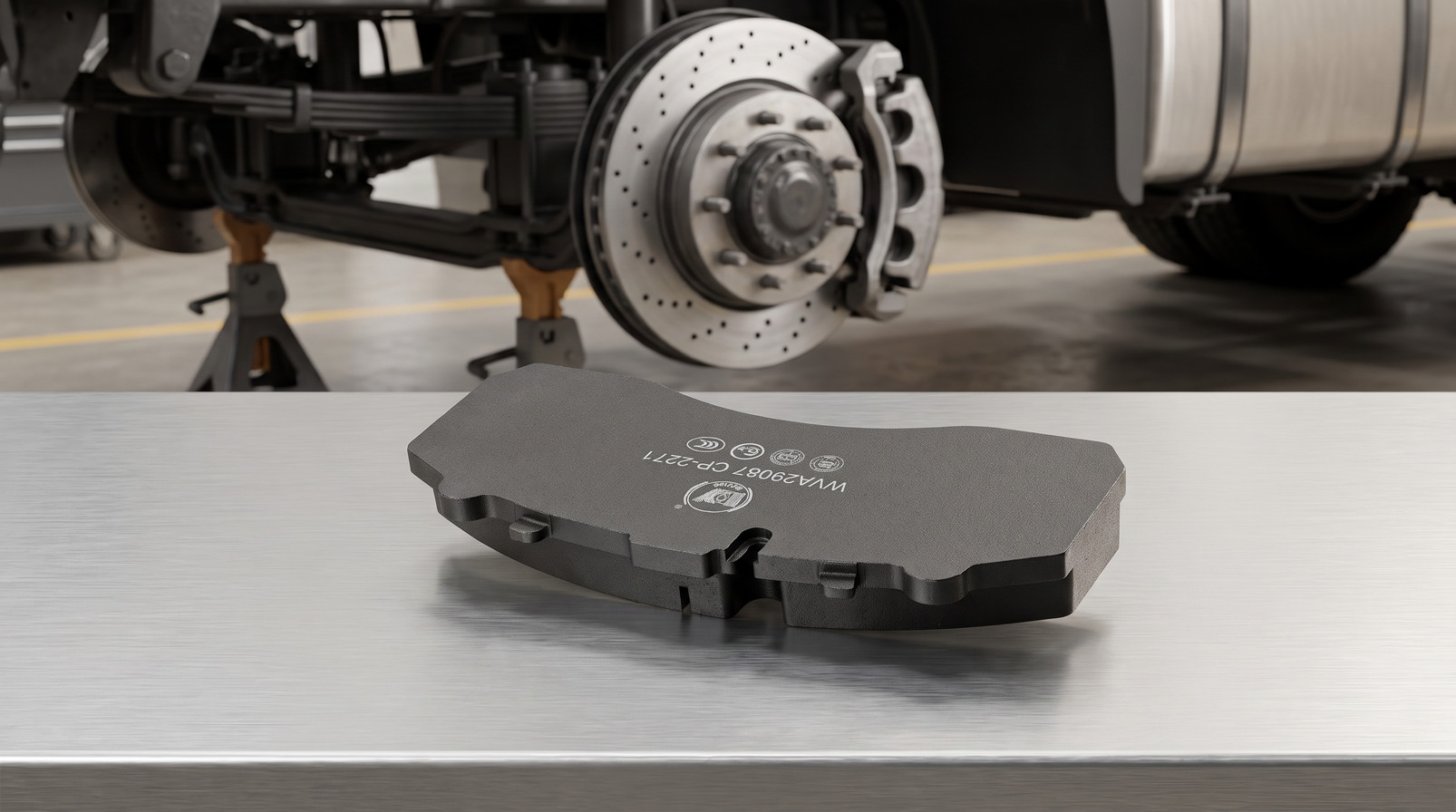
Quick answer: Normalize every quotation to the same service-ready kit: same pad quantity per axle set, same included hardware, same packaging spec, same Incoterm, and same evidence package. Then compare landed cost per set. If you don't, a quote showing a 10% lower unit price can hide 15–30% higher total cost after you add freight, missing springs, repacking, or a failed audit.
Why Truck Brake Pad Quotations Drift Apart Before You Even Check Freight
Two suppliers can quote the same pad part number and still be pricing completely different things. One seller might quote per pad. Another might quote per axle set of four. A third might quote a full vehicle set of eight. That's why RFQs without a locked quantity basis are nearly useless.
Distributors and fleet procurement teams often spot a cheaper per-pad price and think they've found savings. Then the order arrives with no retainer springs, no caliper bolts, no wear sensors. The real cost jumps. You can avoid this by forcing every supplier to quote the same scope. BAIYUN Brake recommends defining the set composition in the RFQ header, not in the fine print.
For commercial vehicle brakes, you'll find different packing conventions across markets. Start by reviewing a browse our heavy-duty brake pad range to see how a manufacturer structures product offerings, then push other suppliers to match that clarity.
Which Quotation Variables Are Most Often Misaligned?
These six variables cause most comparison errors when buyers try to compare truck brake pad quotations on the same basis.
| Variable | Why It Skews the Comparison | What to Demand from Every Supplier |
|---|---|---|
| Quantity basis | Per pad, per box, per axle set, or per vehicle set produce wildly different unit prices | State pad count per set and vehicle coverage |
| Accessories and hardware | Springs, bolts, wear sensors, anti-rattle clips, and shims can be included or excluded | List all hardware. If excluded, say so in writing. |
| Packaging | White box vs branded box, inner bag, desiccant, pallet load vary by supplier | Request carton dimensions and pallet quantity |
| Trade term | EXW, FOB, CIF, and DAP shift freight, insurance, and risk to different parties | Confirm Incoterms and point of risk transfer |
| Evidence range | Some quotes include ECE R90 and IATF 16949 docs, others send only a price | Require current certificates and batch test reports |
| Inspection standard | Acceptance criteria and AQL differ; hidden rejects inflate true cost | Agree on inspection plan and defect limits |
How Do You Lock the Quantity Basis Before Comparing Quotes?
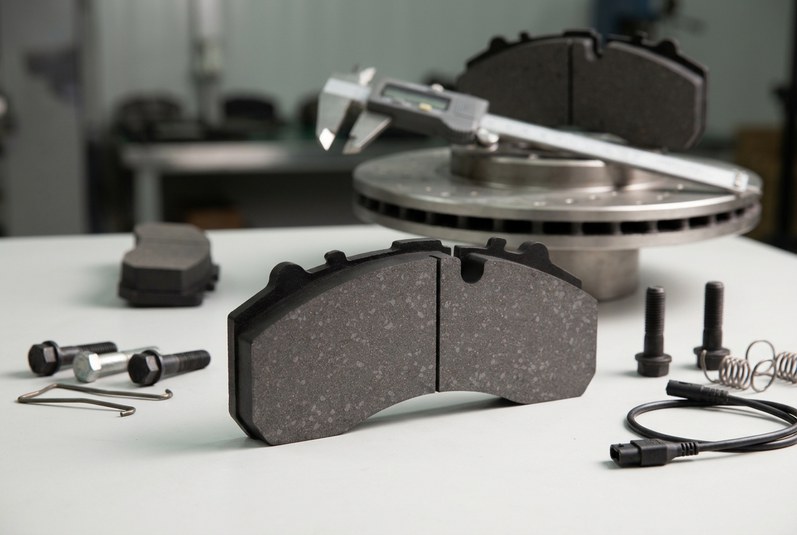
Start with the vehicle axle, not the pad. For a commercial truck, one axle normally needs a specific number of pads depending on caliper design. Some markets count pads per wheel, others per axle, others per box. If your RFQ says "quote for one axle set," every supplier must respond with the same pad count. If they don't, it's not a comparable quote.
Illustrative example: Supplier A quotes USD 8.00 per pad. Supplier B quotes USD 30.00 per axle set of four. The per-pad price looks similar once you factor four pads. But if Supplier B includes fitting hardware and Supplier A doesn't, Supplier B might actually be the cheaper landed option. The table above helps you catch that.
BAIYUN Brake asks buyers to specify set count per axle, then locks the pad count and hardware list in the quotation. That removes the most common apples-to-oranges mistake before it reaches your spreadsheet.
Which Accessories and Hardware Must Be Priced In?
Missing hardware is the silent margin killer in truck brake pad sourcing. A pad set without retainer springs or caliper bolts may require the workshop to reuse old, possibly corroded parts. That creates installation risk and warranty claims. For a distributor, it also creates extra SKUs and after-sales friction.
Request a written list of included parts. If a supplier can't provide that list, treat the quote as incomplete. For commercial vehicle brake linings, the same logic applies to rivets, clips, and lining wear indicators. If your fleet also sources linings, you can use a wholesale CV brake linings inquiry to check whether the same hardware discipline is being applied.
Patchy hardware disclosure usually signals patchy quality control downstream. That's a red flag, not a negotiation detail.
What Packaging Specs Change Freight and Damage Costs?
Packaging isn't just a box. It changes pallet density, ocean freight cost, moisture exposure, and handling damage. A supplier using thicker cartons and desiccant may have a slightly higher unit price but a lower total cost after you account for breakage and customs re-inspection.
Ask for carton dimensions, gross weight, pallet load, and inner wrap. If one quote gives 120 sets per pallet and another gives 96, your freight cost per set changes even though FOB price is identical. Illustratively, a 20% difference in pallet utilization can shift freight cost per set by several percentage points. That's enough to flip a buying decision.
Also check whether the supplier uses moisture barrier bags. Brake pads stored for six months in a humid port can show backing plate corrosion. Packaging is part of the product. Look for suppliers that treat packaging as part of IATF 16949 certified facility process control, not as an afterthought.
Why Trade Terms Decide Whether a Quote Is Actually Cheaper
EXW quotes look attractive until you add inland trucking, export clearance, ocean freight, and insurance. FOB puts the border cost on the supplier. CIF adds freight and insurance to the destination port. DAP pushes cost even closer to your warehouse. Comparing an EXW price to a CIF price without adjustment is a classic procurement error.
Standardize on one term for the first round. If you must compare mixed terms, ask each supplier to quote EXW plus a separate freight line so you can build a true landed cost. Don't let a supplier bury freight in the unit price, because you'll lose transparency.
For importers in markets with high inland freight costs, a DAP quote might reduce coordination headaches even if the unit price looks higher. The total cost of ownership matters more than the invoice line.
What Evidence Should Separate Serious Suppliers From Price-Only Quotes?
A serious truck brake pad quotation comes with an evidence package. Price-only quotes are for suppliers who don't expect a second order. Require at least three things: current ECE R90 approval documentation, ISO 9001 or IATF 16949 certificate, and a batch test report for the specific material.
ECE R90 approval matters because it tells you the pad has passed regulatory performance and dimensional checks for road use in UNECE markets. IATF 16949 tells you the production system is capable of repeatable quality, not just a lucky sample. Batch test reports tell you the actual friction and shear values for the production lot you're buying, not a generic datasheet from three years ago.
BAIYUN Brake provides commercial vehicle brake pad test report documentation with quotations when requested. If a supplier hesitates to share a current batch report, that's a signal to dig deeper before issuing a purchase order.
Buyer Verification Checklist for Normalized Truck Brake Pad Quotes
Use this before you compare any two numbers:
- Lock the set definition: Specify pad count per axle set and vehicle axle coverage in the RFQ.
- Mandate a hardware annex: Require a line-by-line list of springs, bolts, shims, sensors, and clips.
- Fix the packaging spec: Demand carton size, pallet load, inner bag, and moisture protection.
- Choose one Incoterm: Ask all suppliers to quote on the same basis, with freight shown separately.
- Request the evidence pack: Current ECE R90 approval, IATF 16949 or ISO 9001, and batch test report.
- Confirm inspection criteria: Agree on AQL and rejection handling before price matters.
- Calculate landed cost per set: Add freight, duty, repacking, and missing hardware before comparing.
Frequently Asked Questions About Comparing Truck Brake Pad Quotations
Q: Should we compare truck brake pad quotes by unit price or per axle set?
A: Compare per axle set after normalizing hardware and packaging. Unit price comparisons hide pad count differences. Suppliers using different set definitions can show a 10–15% price gap that flips once you calculate the true cost per service-ready axle set.
Q: Why does ECE R90 matter when comparing truck brake pad quotes?
A: ECE R90 approval indicates the pad passed regulatory performance and dimensional testing for road use. Without that evidence, a low-price pad may not be legal or safe for UNECE markets. Importers should require the actual approval documentation, not just a mention on the quote.
Q: What if a supplier cannot provide batch test reports?
A: Treat the quote as incomplete or high-risk. Batch reports show friction and shear values for the specific production lot you would receive. A supplier without batch data may have little control over material consistency, which often leads to higher incoming rejection rates.
Q: How do Incoterms affect a truck brake pad quotation comparison?
A: EXW includes only factory cost, while FOB, CIF, and DAP shift freight and risk to different parties. Illustratively, an EXW quote can end up 12–20% higher by the time you add inland trucking, export fees, and ocean freight. Always compare on the same Incoterm or request a freight line item.
Q: Can we compare truck brake pad quotes with different packaging specs?
A: Only after adjusting for freight and damage risk. A lower pallet density can increase freight per set by several percentage points. Different inner packaging affects moisture protection and shelf life. Normalize packaging specs before making a final award.
The Shortcut to Comparable Truck Brake Pad Quotes
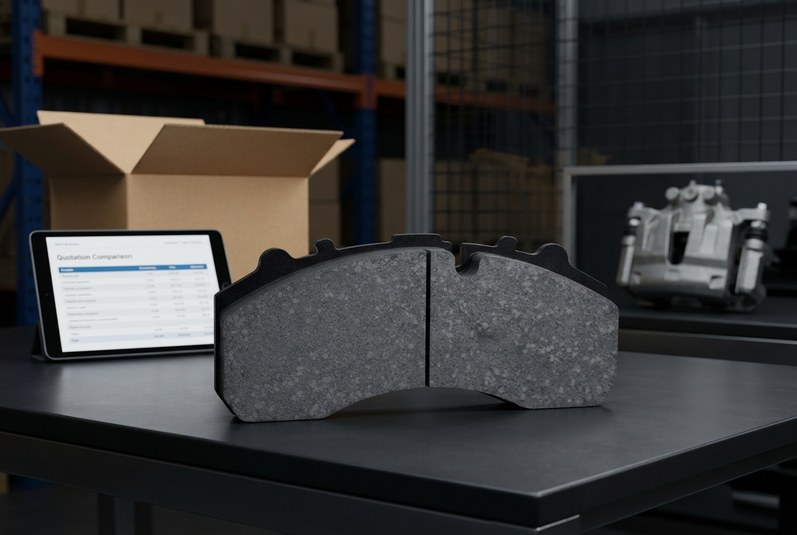
Stop sending open-ended RFQs that invite mismatched scope. When you lock pad count per axle, hardware, packaging, Incoterm, and evidence, the price comparison becomes straightforward. You'll spend less time re-quoting and more time managing supplier performance.
BAIYUN Brake has been manufacturing friction materials for our 49+ years of manufacturing experience. We're used to quoting against strict RFQ structures for importers and distributors. If your current quote set isn't comparable, ask us to define the basis.
Need a normalized quote for your next truck brake pad order? request OEM commercial vehicle brake pad quote and submit your inquiry to our sales team. We'll define the set, hardware, packaging, and evidence package so you can compare on the same basis from day one.
Was this article helpful?
Average Rating: 5/5 (158)