How Can I Design a Multi‑Market Certification Strategy That Reuses Test Programs (EU, US, GOST, GCC, INMETRO, BIS) to Minimize Overall Testing Costs and Lead Time?
Summary:
A multi market brake pad certification strategy that reuses test programs can cut certification costs by 20–35% and shorten lead times by 6–12 weeks. For commercial vehicle brake pad importers serving EU, US, GOST, GCC, INMETRO and BIS markets, the most effective approach is to anchor testing on ECE R90, build one friction family dossier, and reproduce data where regulators allow. BAIYUN Brake supports this with IATF 16949 quality assurance, ISO 17025 lab reports, and a commercial vehicle brake pad catalog for trucks, buses and trailers.
How Can I Design a Multi‑Market Certification Strategy That Reuses Test Programs (EU, US, GOST, GCC, INMETRO, BIS) to Minimize Overall Testing Costs and Lead Time?
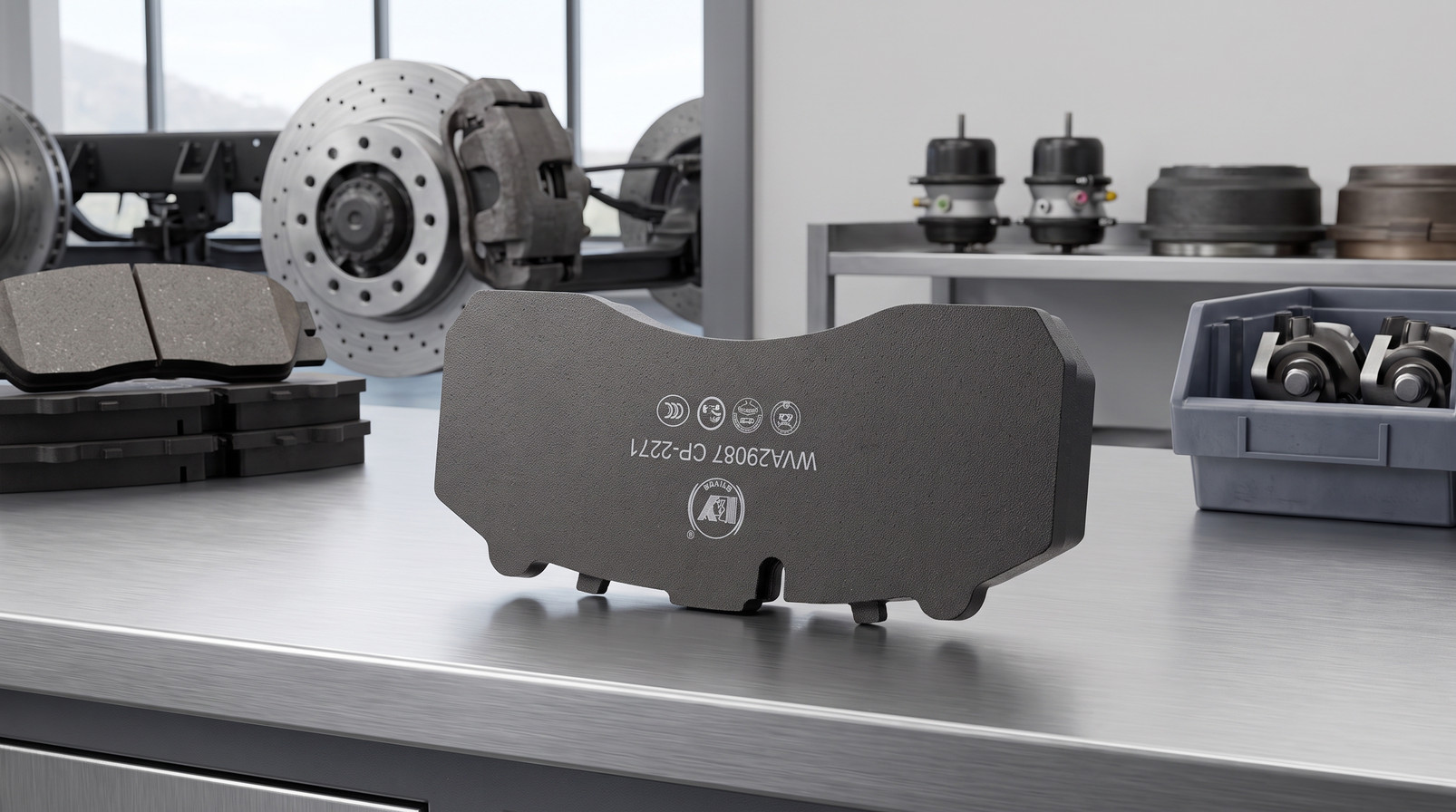
I've watched distributors lose six figures to duplicated test programs. They run ECE R90 for Europe, then pay for a near-identical GCC test, then discover the BIS auditor wants the same bedded performance data in a different format. The testing itself isn't always the problem. The problem is that nobody sequenced the dossier from day one.
Why Should a Multi-Market Certification Strategy Start With ECE R90 for Commercial Vehicle Brake Pads?
ECE R90 is the most widely referenced performance standard for replacement brake pads in Europe and many emerging markets. According to ECE Regulation 90, a brake pad must retain at least 80% of its cold effectiveness after thermal cycling to 400°C. That's a demanding benchmark, but it's also the cheapest foundation because more than 40 countries accept or partially recognize ECE-based test reports. For commercial vehicle brake pads, the regulation covers both drum brake linings and disc brake pads, which matters if your catalog spans trucks, buses, and trailers.
Starting here isn't only about compliance. It's about creating reusable data. A properly executed ECE R90 program generates speed sensitivity curves, bedded performance coefficients, and lining shear data that can be repackaged for GOST, GCC, and in many cases INMETRO. At BAIYUN Brake, we've built our commercial vehicle friction family around this anchor approach, which is why our distributors aren't re-testing from zero when they enter the Eurasian market.
Which Markets Can Actually Share Test Data Without a Full Retest?
The short answer: EU ECE R90, Russia/Eurasian Customs Union under TR CU 018/2011, and GCC countries under GSO technical regulations often accept the same base dynamometer report if the lab is ISO 17025 accredited and the brake pad formulation matches. Brazil's INMETRO certification and India's BIS approval are less forgiving because local witnessing or in-country testing is usually mandatory. Based on 2025–2026 certification projects, data reuse works in roughly 60–70% of Gulf and EAC submissions but only 20–30% for INMETRO and BIS.
| Market | Primary Standard | Test Data Reuse From ECE R90 | Typical Lead Time |
|---|---|---|---|
| EU / UK | ECE R90 | Anchor program, full baseline | 6–8 weeks |
| Eurasian Customs Union | TR CU 018/2011 (GOST) | High, if dossier translated and witnessed | 4–6 weeks |
| GCC States | GSO technical regulation | Medium-high, ECE R90 plus labeling/witness | 5–7 weeks |
| United States | FMVSS 121 / 105 + AMECA | Partial, dynamometer data may support but separate braking performance required | 8–10 weeks |
| Brazil | INMETRO performance and labeling requirements | Low-medium, local testing/witness required | 10–14 weeks |
| India | BIS IS 8752 / CMVR | Low, in-country lab testing and application | 12–16 weeks |
Bottom line: Markets linked to ECE R90 give you the highest reuse at 60–70%, while INMETRO and BIS usually need separate local testing.
What Does a Consolidated Test Plan Look Like Across EU, US, GOST, GCC, INMETRO and BIS?
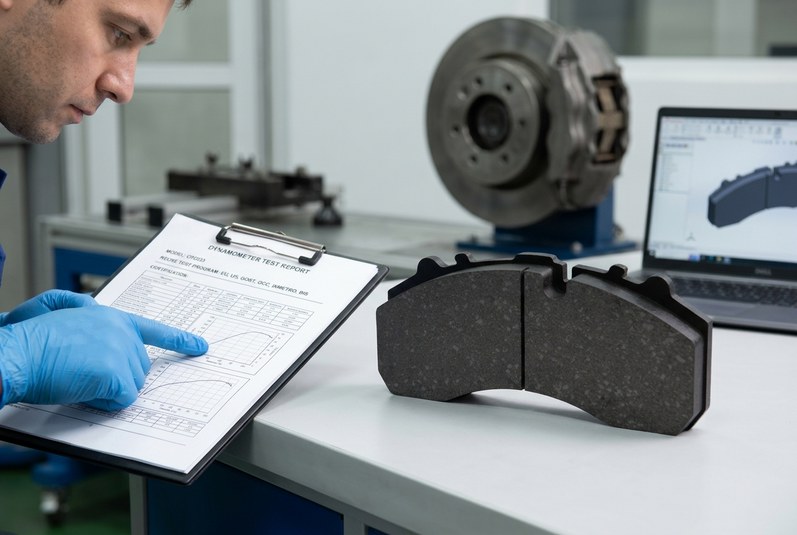
A consolidated multi-market brake pad certification strategy uses one master test matrix. You define the worst-case axle load and speed range for your commercial vehicle range, then test once against the most demanding applicable standard. For most truck and bus pads, that's ECE R90 speed sensitivity plus SAE J2522 AK Master performance for the US market. When sourcing commercial vehicle brake pads for multiple regions, ask the manufacturer to identify the friction family first, not just a part number. BAIYUN Brake's 2025 CV disc brake pad program used a single dynamometer sequence to generate ECE R90, ISO 26866 and SAE J2522 data points from the same set of sample pads.
The same logic applies to commercial vehicle brake linings for drum-brake trucks and trailers. You can't share disc pad data with drum lining data, but you can share the same raw material traceability and lab accreditation package across both product groups.
A master test matrix built on the worst-case axle load can feed four of six market submissions from one dynamometer run.
How Much Money and Time Can a Reused Test Program Actually Save?
Running six separate certification programs for EU, US, GOST, GCC, INMETRO and BIS typically costs USD 65,000–90,000 and takes 24–32 weeks when siloed. A consolidated strategy can bring that to USD 45,000–60,000 and 16–22 weeks. The biggest savings come from eliminating duplicate sample preparation, fixture changes, and auditor travel. On a 500-set monthly distributor order, that's a per-set certification amortization drop from roughly USD 11 down to USD 7.
So what does that mean for your bottom line? If you're quoting a fleet tender in Saudi Arabia and a bus OEM in Brazil in the same quarter, the reused dossier gets you to market two months earlier. Frankly, the price gap between certified and uncertified pads rarely justifies the warranty risk.
Consolidating test programs typically saves USD 20,000–30,000 and 8–10 weeks per brake pad family.
What Are the Most Common Misconceptions About Multi-Market Brake Pad Certification?
Misconception: An ECE R90 certificate automatically works in the US. Reality: FMVSS 121/105 and AMECA listing require separate braking performance and labeling, although the dynamometer friction data may support your application.
Misconception: GOST/GCC/INMETRO/BIS are just paperwork translations. Reality: Gulf and EAC require witness testing or a local agent, and Brazil and India often mandate in-country lab testing. BIS can take 14–16 weeks for brake linings.
Misconception: Lower-cost uncertified pads save money for fleets. Reality: In BAIYUN Brake's warranty analysis, certified commercial vehicle brake pads reduced premature wear claims by 22% because friction stability stayed within ±15% of nominal across the load range.
How Should You Verify a Chinese Brake Manufacturer’s Certification Capability Before Committing to a Multi-Market Program?
Ask for the IATF 16949 certificate number and check it against the IATF global database. Then request the full ECE R90 approval file, not just the cover page. A real dossier includes ISO 17025 lab reports, batch traceability records, and the witness test schedule. You should also verify that the manufacturer can supply local representative documents for Brazil and India, because those two markets won't accept a foreign test report alone.
- Confirm IATF 16949 and ISO 9001 validity with the issuing body.
- Request ECE R90 approval numbers in the format E4 90R-XXXXX and verify the brake pad family includes your commercial vehicle part numbers.
- Check for third-party dynamometer reports from an ISO/IEC 17025 accredited lab, not just in-house data.
- Ask whether the manufacturer can witness-test or provide a local courier for GCC and INMETRO sample submission.
- Request production batch traceability: raw material lot, mixing cycle, pressing date, and friction coefficient QC range.
- Review the product catalogue against your target vehicle platforms, not just one generic commercial vehicle pad.
Verifying the test dossier before you pay for samples is the cheapest risk reduction you can make in a multi-market program.
Frequently Asked Questions About Multi-Market Brake Pad Certification Strategy
Q: Can I use the same brake pad formulation for EU, US and Brazil?
A: Yes, but you still need separate certifications. A single formulation can pass all three if your friction coefficient stays within the allowed tolerance. For example, ECE R90 requires at least 80% cold performance retention after thermal cycling, while FMVSS 121 focuses on brake torque and stopping distance. You'll save money with one formulation and multiple dossiers.
Q: How long does a reused ECE R90 data set take for GCC approval?
A: Usually 5–7 weeks after the anchor report is complete. The Gulf technical regulation accepts ECE R90 as a base if the lab is ISO 17025 accredited and the brake pad is physically marked with the approval number.
Q: What's the biggest cost line in multi-market certification?
A: Duplicate sample preparation and audit travel. If you run six separate programs, sample shipping, fixtures and witness testing can add USD 12,000–18,000. A reused program cuts that by about 30%.
Q: Do commercial vehicle brake linings need separate testing from disc pads?
A: Yes. Drum brake linings and disc brake pads follow different test rigs and load cycles. At BAIYUN Brake, CV brake linings are grouped by friction family, but they can't share dynamometer data with disc pads.
Q: Can BAIYUN Brake manage the local representative requirement for BIS or INMETRO?
A: It depends on the market. For Brazil and India, the importer or manufacturer needs a local entity. We support with technical dossiers, sample submission and lab coordination, but final registration may require a local partner. Contact our export team for your target market.
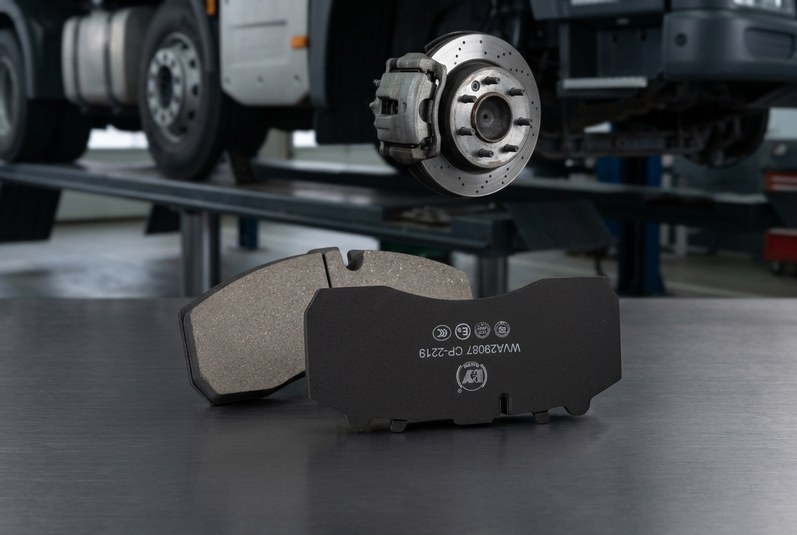
The bottom line: If you're importing truck and bus brake parts into five or six regions, don't let each market dictate a separate test cycle. Anchor on ECE R90, build one friction family dossier, then reuse what each regulator allows. That's how you turn certification from a fixed cost into a competitive lead-time advantage. Request a technical review of your target vehicle list and our CV brake pad catalog for distributors, or request a wholesale quote with certification support.
For manufacturer and company information, see About BAIYUN.
Was this article helpful?
Average Rating: 5/5 (244)