
7 Common Automobile Faults and Solutions: Easy Troubleshooting Guide
Summary:
Cars can develop common faults over time—from weak batteries and low tire pressure to brake, engine, transmission, and AC issues. This guide explains the typical symptoms, practical solutions, and easy prevention habits to keep your vehicle safe and reliable.
7 Common Automobile Faults and Solutions: Easy Troubleshooting Guide
In everyday driving, even well-maintained vehicles can experience occasional faults. Some issues are minor and easy to prevent, while others—especially anything related to brakes—can affect safety immediately. Below are 7 common automobile problems, how to recognize them, what to do, and how to reduce the chance they return.
1) Battery Drain or Low Battery Power
Common symptoms
- Engine cranks slowly or won’t start
- Dim headlights or weak interior lights
- Electronics reset (clock/radio settings)
Practical solutions
- Check battery condition regularly (voltage/health test if possible).
- If battery performance is clearly declining, replace it early to avoid unexpected no-start situations.
- Make sure terminals are clean and tight (poor contact can mimic a weak battery).
Prevention tips
- Avoid leaving lights or accessories on after parking.
- If the car sits for long periods, start it periodically or consider a battery maintainer.
2) Low Tire Pressure or Slow Air Leaks
Why it matters
Underinflated tires can cause uneven wear, reduced fuel efficiency, and in severe cases, a flat tire.
Practical solutions
- Measure tire pressure regularly and keep it within the manufacturer’s recommended range.
- Inspect tires for nails, cracks, or unusual wear patterns.
- If you notice repeated pressure loss, have the tire checked for leaks and repair/replace promptly.
Prevention tips
- Check pressure more often during seasonal temperature changes (pressure can drop in cold weather).
- Rotate tires on schedule to reduce uneven wear.
3) Brake System Issues (High Safety Priority)
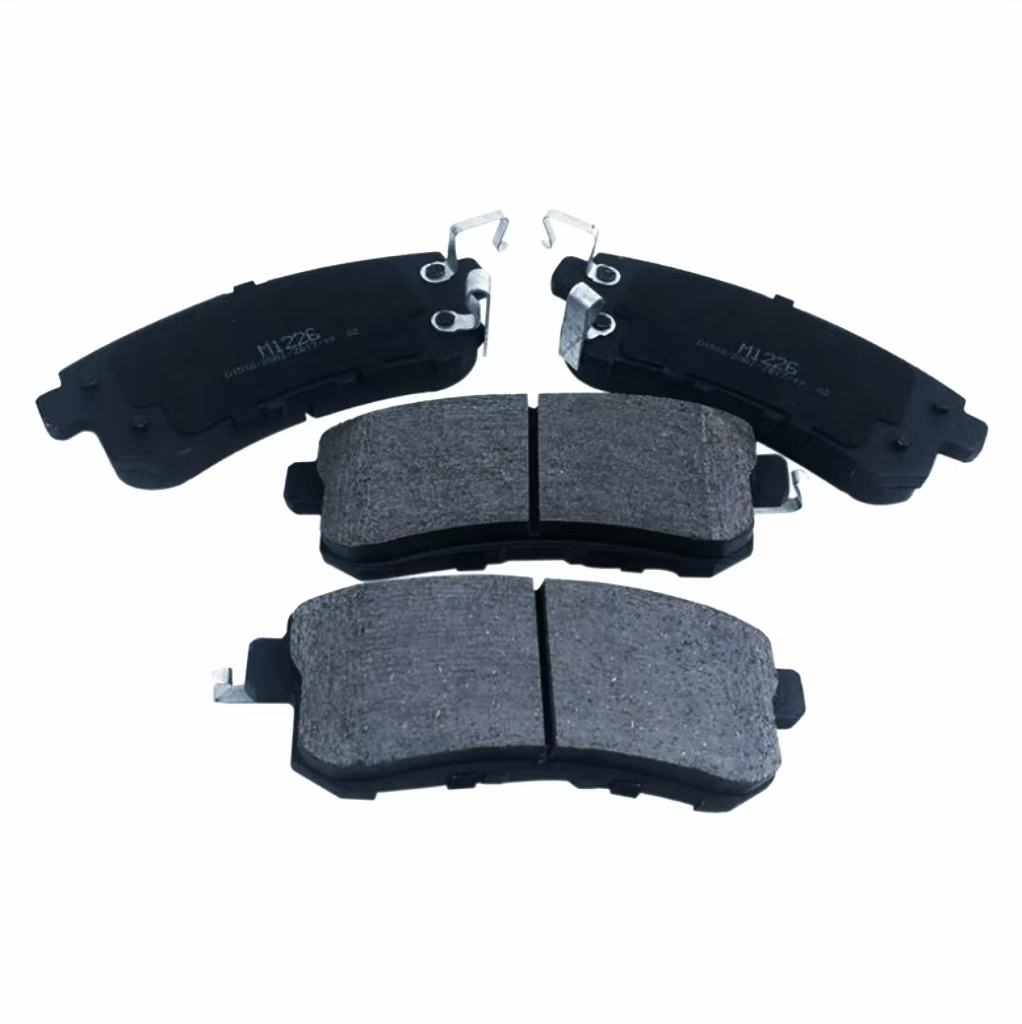

Why it’s dangerous
Brake problems can quickly become a serious safety risk—in extreme cases causing loss of control.
Warning signs
- Squealing or grinding noise
- Longer stopping distance
- Brake pedal feels soft, spongy, or unusually hard
- Steering wheel vibration while braking
What to do
- Stop driving if braking feels unsafe. Pull over safely and arrange professional help.
- Schedule a full brake system inspection: brake pads, brake discs/rotors, calipers, and brake fluid.
Prevention tips
- Inspect brakes regularly and replace worn pads before they damage the discs/rotors.
- Check brake fluid level and condition as recommended in the maintenance schedule.
4) Engine Problems (Starting Trouble, Noise, Low Power)
Common symptoms
- Hard starting or stalling
- Unusual engine noises
- Reduced acceleration or poor power output
Practical solutions
- Change engine oil and oil filter on time to keep internal components protected and clean.
- Follow routine engine maintenance: air filter checks, spark plug inspections (where applicable), and basic leak checks.
- Don’t ignore early warning signs—small issues can grow into expensive repairs.
Prevention tips
- Use the correct oil grade and quality recommended by the manufacturer.
- Address warning lights quickly (especially check engine light).
5) Body Damage and Headlight Problems
Common symptoms
- Cracked or broken headlight lens
- Dim headlights or one side not working
- Cosmetic damage from minor collisions or scrapes
Practical solutions
- Replace damaged bulbs or assemblies promptly—lighting directly affects night visibility and safety.
- For body damage, use a professional repair shop to restore structure and appearance.
Prevention tips
- Drive defensively and follow traffic rules to reduce collision risk.
- Regularly check lights (headlights, brake lights, turn signals).
6) Transmission Abnormalities (Shifting Problems)
Why it matters
The transmission is complex and crucial for power delivery. Ignoring early signs can lead to major repair costs.
Common symptoms
- Delayed or rough shifting
- Slipping gears
- Unusual noises
- Burning smell (sometimes linked to fluid issues)
Practical solutions
- Check transmission fluid condition and level (if applicable to your model).
- Follow your manual’s service schedule for transmission fluid changes.
- If symptoms appear, seek professional diagnosis quickly to prevent further damage.
7) Air Conditioning (AC) System Failure
Common symptoms
- Weak cooling or no cooling
- Strange odors from vents
- Unusual noises when AC is on
Practical solutions
- Replace or clean the cabin air filter regularly.
- Ensure refrigerant levels and system condition are checked by professionals when cooling performance drops.
- If the system stops working, have it inspected for leaks or compressor issues.
Prevention tips
- Run AC occasionally even in cooler seasons to keep seals lubricated (where appropriate).
A Simple Maintenance Habit That Prevents Most Problems
A quick monthly routine can save you many headaches:
- Battery check (starting strength, terminals)
- Tire pressure + tread wear check
- Brake feel + unusual noises check
- Engine oil level/condition glance
- Lights check (all exterior lamps)
- AC airflow & odor check
Final Thoughts
Keeping your car reliable isn’t about complex repairs—it’s about early detection, routine checks, and timely maintenance. Handle small problems early, and you’ll protect safety, reduce costs, and improve the driving experience.
Safety note: If you suspect brake failure or the vehicle feels unsafe to control, stop driving and contact professional support immediately.
FAQ
Q1: Car won’t start — is it a dead battery?
A: If your car cranks slowly, clicks when starting, or electronics feel weak, it’s often low battery power. Check battery voltage and terminals first. If the battery is aging or repeatedly loses charge, replacing it early can prevent a sudden no-start situation.
Q2: What causes low tire pressure even after filling?
A: Repeated tire pressure loss usually indicates a slow leak from a nail, valve stem issue, or rim sealing problem. Inflate to the recommended PSI and monitor for 24–48 hours. If pressure drops again, repair or replace the tire immediately to avoid a blowout risk.
Q3: Brake squealing — do I need new brake pads?
A: Brake squeal can be caused by brake pad wear, dust, glazing, or lack of lubrication on contact points. If the noise becomes grinding or stopping distance increases, you may need brake pad replacement and possibly rotor inspection. For safety, have a brake system check as soon as possible.
Q4: Brake pedal feels soft or spongy — what does it mean?
A: A soft pedal often points to air in the brake lines or old/contaminated brake fluid. This reduces braking efficiency and is a safety concern. Get a professional inspection and a brake fluid service if required.
Q5: Engine feels weak and fuel consumption rises — what should I check first?
A: Start with basics: engine oil condition, air filter, spark plugs (if applicable), and any warning lights. Regular oil and filter changes help avoid many common engine performance problems.
Q6: Transmission slipping or shifting rough — is it serious?
A: Yes—transmission slipping, delayed shifting, or abnormal noises can worsen quickly. Check transmission fluid (if your model allows) and follow the maintenance schedule. If symptoms persist, diagnose early to prevent larger damage.
Q7: Car AC not cooling — what are the common causes?
A: Weak cooling often comes from a dirty cabin filter, low refrigerant, or leaks. Replace the AC filter regularly and have refrigerant/leak checks done if cooling performance drops.
Q8: How often should I check brakes and tires for safety?
A: For daily driving, check tire pressure monthly and inspect tread wear regularly. Brakes should be inspected periodically (or whenever you notice noise, vibration, or longer stopping distance). Preventive checks are the easiest way to avoid safety-related failures.
Brake pad supplier in China, brake pads manufacturer factory, OEM brake pads
Was this article helpful?
Average Rating: 5/5 (4722)